
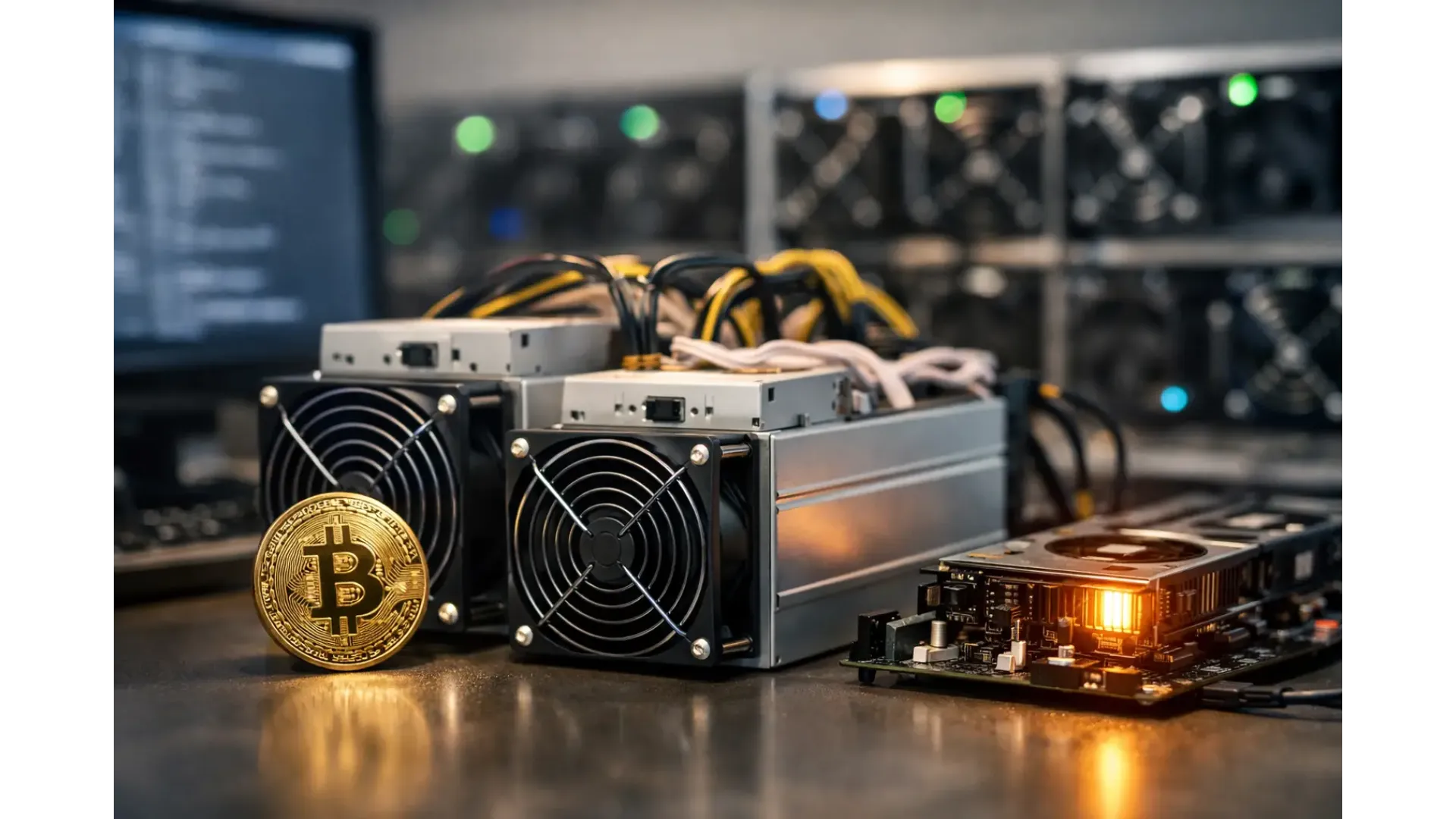
If you are searching for bitcoin mining hardware highest hashrate, the headline figure is only half the job. The fastest ASIC on paper can also be the least practical machine to run at home, the hardest to power correctly, or the weakest choice once electricity cost, noise, heat and delivery timing are factored in.
That is why serious buyers do not stop at terahash numbers. They compare hashrate against efficiency, check whether the unit is air-cooled or hydro-cooled, confirm the power requirements, and make sure the machine actually suits the site where it will run. For most miners, the best purchase is not simply the largest number on a spec sheet. It is the highest hashrate they can run reliably and profitably.
What bitcoin mining hardware highest hashrate really means
In simple terms, hashrate is the amount of computational work a miner performs each second. On Bitcoin ASICs, this is usually shown in TH/s. A higher figure means more chances to find valid work and earn rewards through a pool or, in rare cases, through solo mining.
The catch is straightforward. Higher hashrate usually comes with higher power draw, more heat, more noise and stricter installation requirements. A machine advertised at the top end of the market may need industrial-style power arrangements or liquid cooling support that many home users do not have.
So when buyers ask which unit offers the highest hashrate, the better question is often this: which machine offers the highest usable hashrate for your budget, electricity rate and location?
The machines that lead on hashrate
At the top of the Bitcoin ASIC market, the highest hashrate models generally come from established manufacturers releasing performance-focused units for professional and enthusiast operators. These miners often sit well above the 300 TH/s mark, with some hydro-cooled models pushing beyond what typical home setups can realistically support.
Air-cooled machines remain the most accessible for smaller operators, but they usually trail the absolute flagship units on raw output. Hydro-cooled miners can post exceptional hashrate figures, though they are built for buyers who understand coolant systems, infrastructure planning and sustained high-load operation.
This matters because the product with the biggest hashrate number is not automatically the best buying decision. If it demands a specialist installation and your site is a spare room, garage or small outbuilding, the machine may be unsuitable before it is even switched on.
Air-cooled vs hydro-cooled hashrate
Air-cooled ASIC miners are simpler to deploy. They are easier to understand, easier to move, and generally more familiar to retail buyers. If you want a direct path from delivery to operation, air cooling is often the practical route.
Hydro-cooled miners tend to dominate the very top end of hashrate tables. They can run denser performance profiles and handle thermal load more effectively, but they ask more from the buyer. You need the right cooling loop, the right environment and the right maintenance approach. For many UK-based customers, that moves the purchase from straightforward hardware buying into infrastructure planning.
Why efficiency matters as much as raw TH/s
A miner with the highest hashrate can still be a poor value machine if its efficiency is weak. Efficiency is usually measured in joules per terahash. Lower is better. A machine delivering strong output at better efficiency can outperform a nominally faster unit once electricity costs are included.
This is especially relevant in the UK, where power pricing can quickly change the economics of a setup. A buyer chasing maximum TH/s without checking watts and efficiency may end up with a machine that looks impressive but is expensive to keep online.
In practice, experienced miners compare three figures together: hashrate, power consumption and efficiency. If one of those numbers is missing from a listing, that is a sign to pause and verify the actual operating profile before purchasing.
Example of the trade-off
Suppose one machine offers more hashrate but draws substantially more power, while another offers slightly less output with noticeably better efficiency. If your electricity cost is high, the second machine may be the stronger long-term choice. If your site has low-cost power and suitable ventilation, the first unit may still make sense.
That is why the best answer depends on operating conditions, not just manufacturer marketing.
Power, noise and heat are purchase decisions
Many first-time buyers underestimate how demanding high-hashrate Bitcoin miners are outside of the spec sheet. These are not general electronics. They are purpose-built ASIC systems that convert significant electrical input into both computational output and heat.
Power is the first checkpoint. High-end miners may require supply arrangements beyond a standard plug-and-play domestic assumption. Buyers need to verify voltage, sockets, cabling and continuous load capability before ordering.
Noise is the next issue. Large ASIC fans are loud. In a home setting, a top-tier air-cooled miner may be disruptive even when installed in a garage or utility area. Anyone considering indoor use should be realistic. The highest hashrate machine in the catalogue can also be the least suitable machine for a shared living environment.
Heat follows naturally. If the room cannot move hot air effectively, performance and reliability can suffer. A miner that is technically compatible with your power supply may still be a poor fit if the space cannot manage sustained thermal output.
Choosing the right hashrate tier for your setup
For most buyers, it is more useful to choose the right category than to chase a single record-setting model. Entry-level users and home mining enthusiasts often benefit from starting with smaller dedicated units or lower-power ASIC options that are easier to install and live with.
Enthusiast buyers with a suitable outbuilding, better ventilation and a clear understanding of power draw can step into stronger air-cooled ASICs. These machines often offer a much better balance between high output and manageable deployment.
The very top tier is usually best for buyers who already know their site constraints and want to maximise performance per machine. That might include small operators scaling limited rack space, or experienced users who are comfortable with hydro setups and more demanding infrastructure.
How to compare bitcoin mining hardware highest hashrate options properly
The cleanest way to compare machines is to ignore hype and read the practical details first. Start with the advertised TH/s, then check power draw, efficiency, cooling type, physical size, noise profile and condition if the unit is pre-owned.
You should also look at support and fulfilment factors. Warranty, shipping clarity, returns policy and direct technical support matter more in mining hardware than they do in ordinary electronics. If a machine arrives and your site power is not suitable, the problem is operational, not theoretical.
For that reason, many buyers prefer specialist retailers over broad marketplaces. A focused mining hardware supplier is more likely to provide product-specific guidance, realistic delivery expectations and practical after-sales support. On https://Ehasher.com, the product range is built around dedicated mining equipment rather than general consumer stock, which helps buyers compare units by actual mining use case.
New vs pre-owned high-hashrate miners
A new unit usually offers the cleanest starting point, especially if you want current-generation efficiency and manufacturer-backed operating expectations. For buyers who want lower upfront cost, pre-owned machines can still be worthwhile, but condition, prior use and remaining support become more important.
The decision comes down to risk tolerance. A pre-owned miner with lower cost can improve access to higher hashrate, but only if the machine has been represented accurately and suits your power and cooling setup.
When the highest hashrate is the wrong choice
There are several common cases where the top specification is not the best purchase. If your electricity is expensive, efficiency can matter more than maximum output. If your site is noise-sensitive, a slightly smaller unit may be far easier to live with. If you are new to mining, a simpler machine may reduce setup errors and downtime.
There is also the issue of lead time and stock. In a fast-moving market, the newest flagship machine is not always the easiest unit to source. Sometimes a slightly lower-hashrate model that is available now, supported properly and installable in your space is the better commercial decision.
That is the practical view buyers should keep. The right miner is not the one that wins a headline. It is the one you can run properly, support confidently and keep online without constant friction.
If you are comparing Bitcoin ASICs, start with your site limits, then work upwards to the highest hashrate that fits them. That approach usually leads to a better machine, a cleaner setup and fewer surprises after delivery.
Related Product
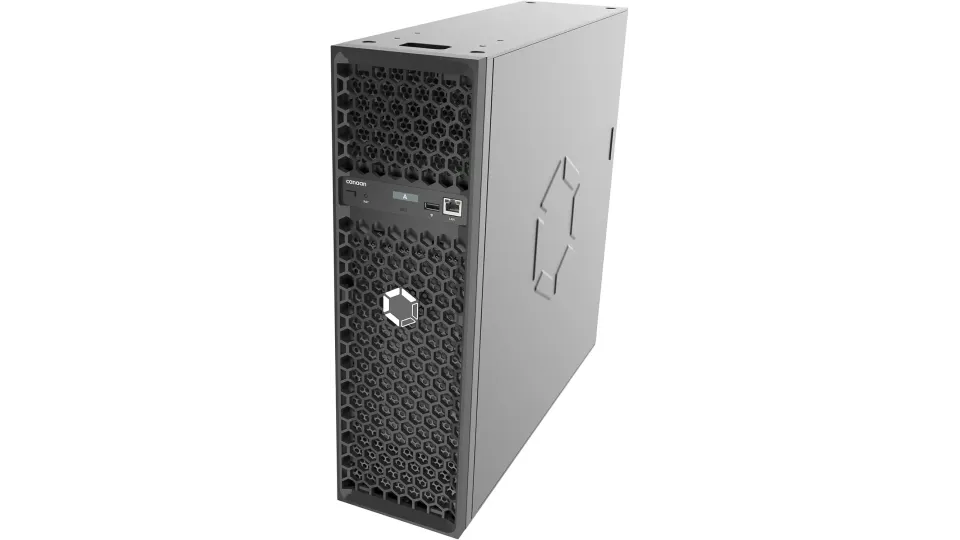
Canaan Avalon Q Home Bitcoin Miner – 90TH/s SHA-256 ASIC Miner – Quiet High-Performance BTC Mining
THIS ITEM SHIPS TO THE UK ONLY (DUE TO WEIGHT AND SIZE) The Canaan Avalon Q is a powerful yet home-friendly ASIC miner designed for efficient Bitco..
£1,289.95
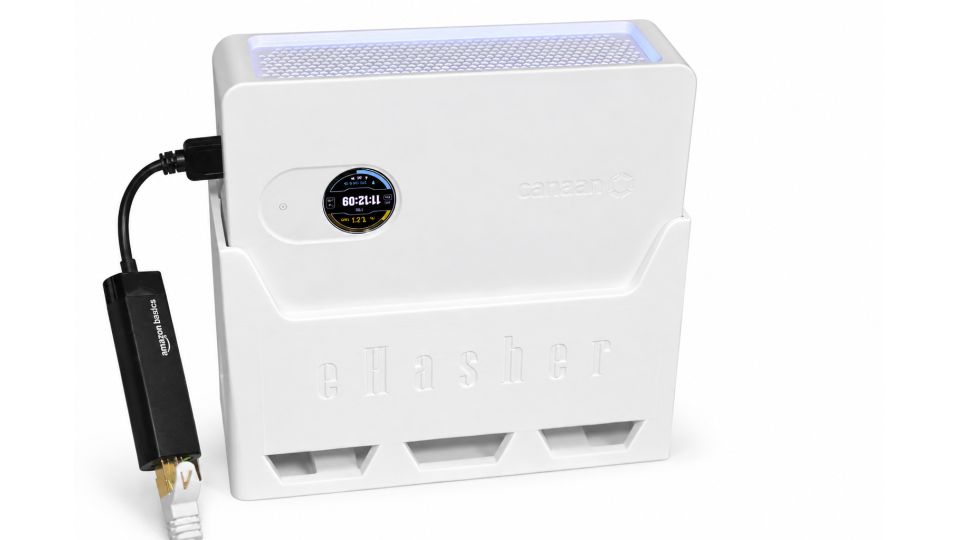
Canaan Avalon Nano 3S Home Bitcoin Miner – White – with Stand and Adapter
The Canaan Avalon Nano 3S in white is a compact, beginner-friendly Bitcoin miner designed specifically for home and desktop use. Combining stylish des..
£219.95