
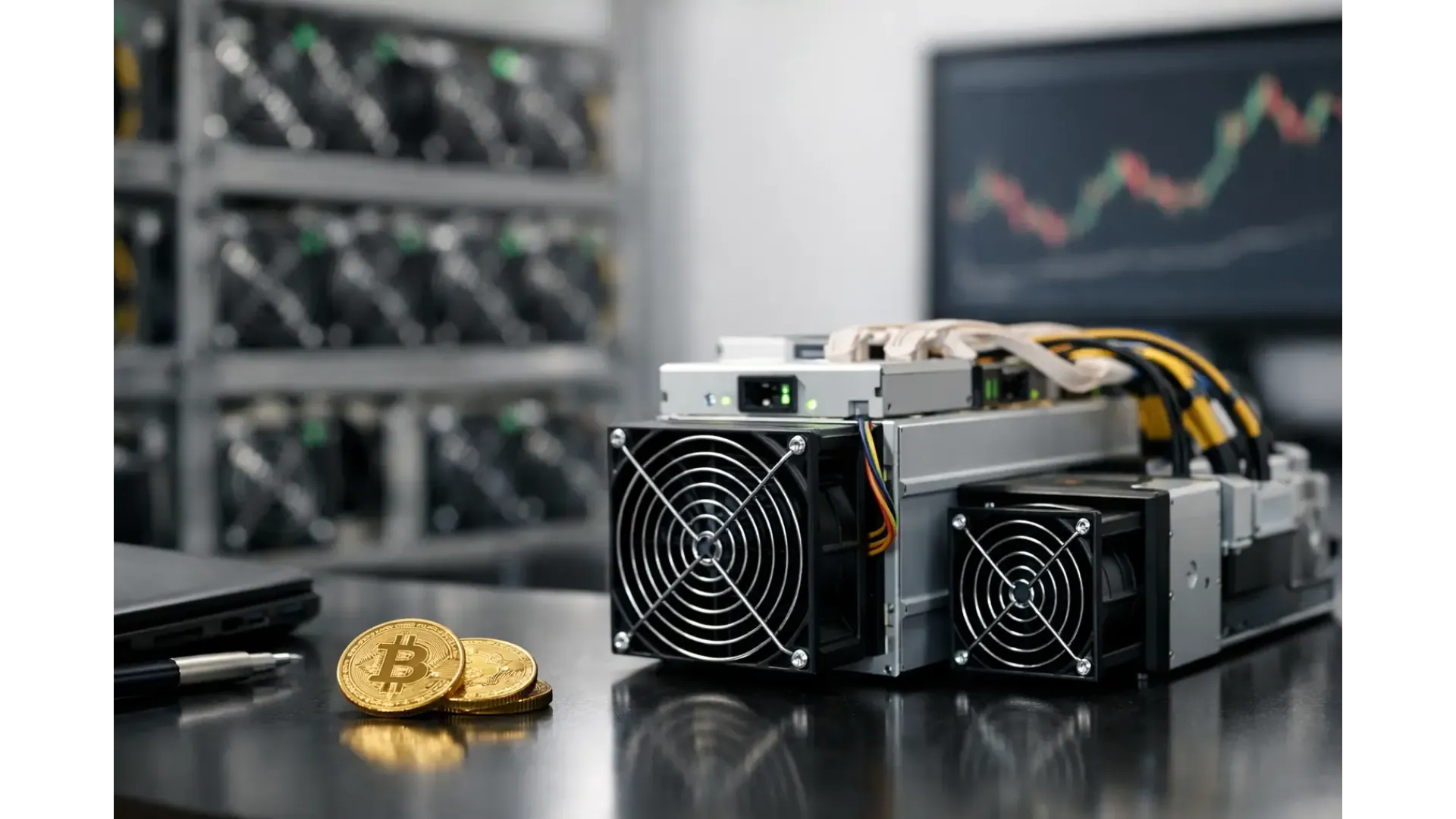
If you are comparing machines by hashrate alone, you are probably missing the part that affects ownership most - power draw, noise, heat, and how the unit fits the space you actually have. A proper bitcoin mining hardware guide should help you avoid buying a miner that looks strong on paper but is wrong for your room, tariff, or operating goals.
For most buyers, the real question is not simply which miner is best. It is which miner is viable in your setup, at your electricity rate, with your tolerance for sound, heat, and maintenance. That applies whether you are buying your first home mining device, adding another ASIC to a small fleet, or looking at pre-owned equipment to keep upfront costs under control.
What this bitcoin mining hardware guide should help you decide
Mining hardware is easiest to assess when you stop treating it as one category. A small home miner, a full-size ASIC, a solo mining unit, and a pre-installed pool node solve different problems. The best choice depends on whether you want quiet operation, maximum hashrate, lower entry cost, or a simpler setup process.
A home user in a spare room often prioritises manageable noise and power demand. A more experienced buyer with ventilation already sorted may care mainly about efficiency and output. Someone interested in solo mining may accept lower odds in exchange for control and the appeal of running dedicated hardware on their own terms. There is no universal best option, only a better fit for the job.
Start with your mining objective
Before looking at model numbers, define what you want the hardware to do. If your goal is to learn Bitcoin mining and run equipment at home without major electrical changes, compact or lower-power devices are usually the right starting point. They reduce friction and let you understand operation, wallets, pool settings, and thermal behaviour before moving into larger machines.
If your goal is straightforward production, then ASIC miners are the main category to review. They are purpose-built for Bitcoin mining and deliver far more hashrate than general computing hardware. That specialisation is the advantage, but it also means they are less flexible and more dependent on good operating conditions.
If your goal is self-sovereignty and infrastructure, you may be looking beyond the miner itself. In that case, a mining pool node or pre-configured node can make sense alongside your hardware, especially if you want more control over how your miner connects and operates.
ASIC miners: performance comes with operating demands
An ASIC miner is the standard choice for serious Bitcoin mining because it is built for one task. Compared with older or improvised approaches, ASICs offer better hashrate and much stronger efficiency. That is why buyers focused on output nearly always end up here.
The trade-off is practical rather than theoretical. ASIC miners are loud, they generate significant heat, and they need stable power. A machine that looks affordable at checkout can become expensive to run if it is inefficient or if your electricity cost is high. In a domestic setting, those factors often matter more than the difference between two close hashrate figures.
Cooling also matters. Even a good machine will underperform or shut down if airflow is poor. If you are mining at home, think carefully about room size, ambient temperature, extraction, and where the hot air will go. Buyers sometimes plan for the purchase but not for the environment around it.
Home mining hardware: where practicality matters most
Home mining is not only about buying smaller equipment. It is about choosing hardware that matches a residential setting. Noise is usually the first issue people underestimate. A full ASIC in a garage or dedicated outbuilding may be manageable. The same unit in a box room can become a problem very quickly.
Power is the next constraint. Some units are better suited to standard household arrangements, while others may need more careful planning around sockets, circuits, and total load. If you are not clear on the power requirement, do not assume you can simply plug in and start.
For buyers who want a lower-friction entry point, quieter or lower-power devices can be a sensible route. They will not compete with large ASICs on output, but that is not always the point. They let you get operational without rebuilding part of the house around the machine.
Solo miners and pool setups
Solo mining devices appeal to a specific type of buyer. The attraction is not guaranteed regular rewards. It is the independence of running your own hardware with a direct relationship to the network. For some, that makes a small solo miner worth running even when the statistical odds are long.
That said, solo mining should be approached with clear expectations. If your aim is predictable earnings, mining via a pool is usually the more practical route. If your aim is participation, experimentation, or simply the appeal of mining independently, a solo device may suit you well.
This is also where supporting infrastructure matters. A pre-installed node or mining pool node can reduce setup time and remove technical friction for buyers who want more control without building every part of the system from scratch.
New vs pre-owned mining hardware
A good bitcoin mining hardware guide should not ignore pre-owned equipment because budget is often the deciding factor. Pre-owned miners can make entry easier and improve access to stronger models at a lower initial spend. For experienced buyers, they can also be a practical way to expand capacity without paying new-unit pricing.
The compromise is risk. Older hardware may be less efficient, may have more wear on fans or power components, and may offer a shorter useful life. This does not mean pre-owned is a poor choice. It means inspection, condition grading, warranty terms, and seller reliability matter more.
For many buyers, the right question is whether lower upfront cost outweighs the possibility of higher running cost or shorter lifespan. Sometimes it does. Sometimes paying more for a newer, more efficient machine is the better long-term decision.
The key specifications that actually matter
Hashrate deserves attention, but it should never be viewed in isolation. Efficiency is just as important because it shapes operating cost over time. Two miners can look similar in output while behaving very differently on your electricity bill.
Power draw tells you what the unit needs continuously, not just at startup. That affects electrical planning and ongoing cost. Noise level matters if the machine is anywhere near a living area or workspace. Physical size matters if the setup area is tight or ventilation paths are limited.
You should also check connectivity, firmware support, and the intended operating environment. A machine that is easy to place, easy to manage, and properly supported is often a better purchase than a slightly stronger unit that creates constant hassle.
Questions worth asking before you buy
How much power can your location realistically support? Where will hot air go? Can you tolerate the sound level every day? Are you buying for learning, steady operation, or maximum output? Do you want a machine only, or a more complete setup including node hardware and accessories?
Those questions sound basic, but they prevent expensive mistakes.
Accessories and setup are part of the purchase
Mining hardware does not operate in isolation. Cables, power supplies, network connections, shelving, airflow management, and monitoring all affect day-to-day use. Buyers often focus on the headline machine and then realise the setup needs additional parts or changes before it can run properly.
This is one reason specialist retailers matter. Category depth makes it easier to source equipment that is built for mining rather than trying to assemble a setup from unrelated general electronics. For buyers who want fewer variables, that has real value.
Choosing a seller matters as much as choosing a miner
Mining buyers are not only comparing products. They are comparing fulfilment speed, return policies, warranty coverage, and support quality. That matters even more with specialist hardware because if something is unclear, you need practical answers quickly.
A dependable seller should make the buying process straightforward, provide clear product information, and reduce uncertainty around delivery and after-sales support. For UK buyers, that often means looking for stock routes, service clarity, and support channels that are easy to reach when a setup question appears after delivery.
If you are choosing between similar machines, trust signals can be the deciding factor. That is one reason buyers often prefer specialist stores such as Ehasher over broader marketplaces that list mining products without meaningful guidance.
Match the hardware to the reality of ownership
The best mining purchase is rarely the one with the most impressive headline figure. It is the one you can power, cool, tolerate, and run consistently. A smaller machine that stays online in the right environment can be a better decision than a larger unit that creates constant operating issues.
If you are buying your first miner, start from constraints rather than ambition. If you are expanding, focus on efficiency and integration with your existing setup. If you are exploring solo mining, be realistic about the purpose. And if you are considering pre-owned hardware, judge the seller and support terms as carefully as the machine itself.
A good purchase feels clear before you place the order - not because mining is simple, but because the hardware, the environment, and the support all line up with what you actually need.