
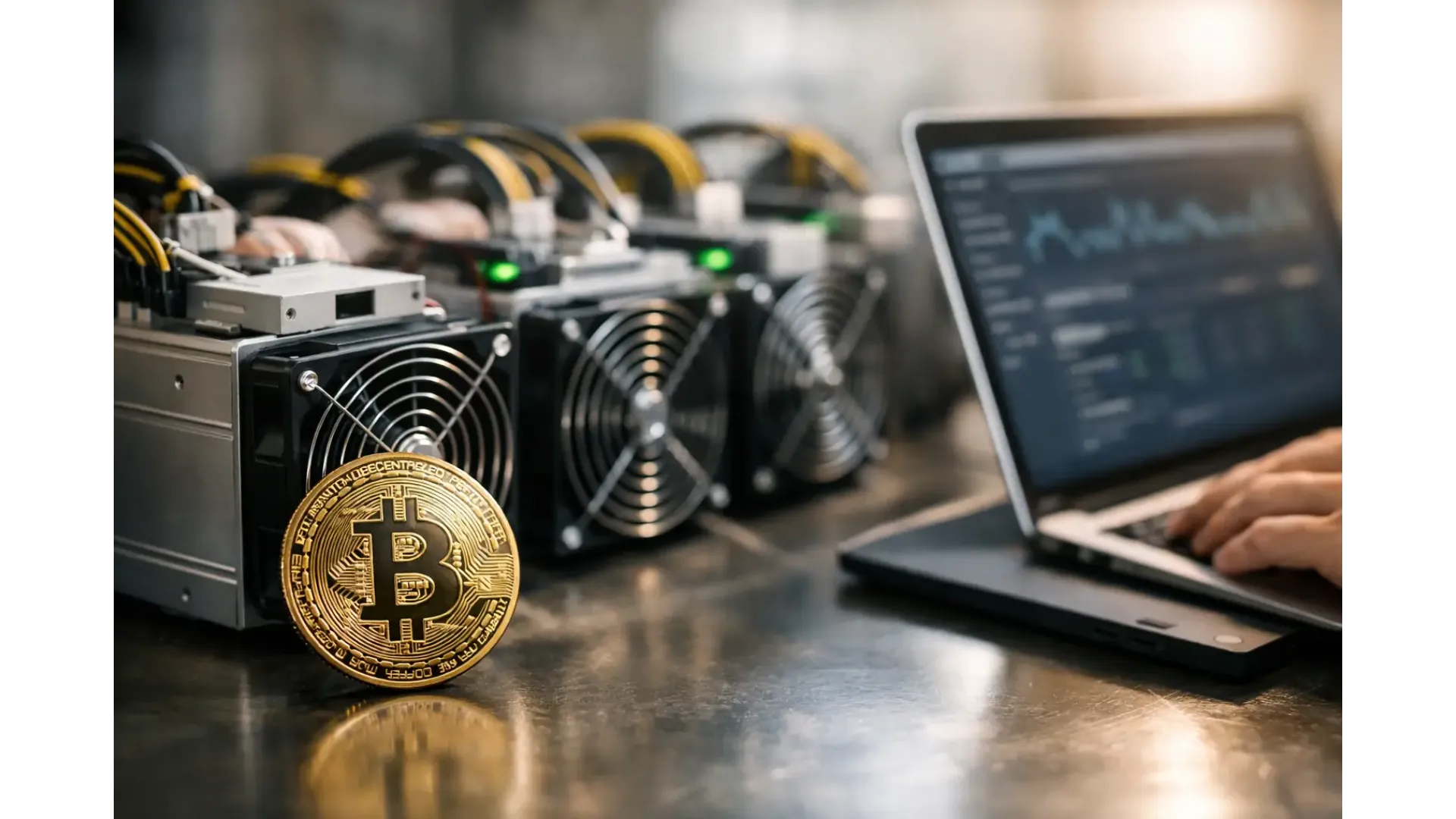
A mining machine can arrive, power on and begin hashing within minutes, but that does not mean it is the right machine for your space, electricity supply or objectives. Bitcoin mining hardware and software must be selected as a working system: the miner creates hashes, the software connects it to the network or pool, and your power, cooling and network setup determine whether it can run reliably.
For a home miner, the best choice is rarely simply the highest advertised hashrate. Noise, heat, electrical capacity, purchase cost and the level of hands-on involvement all matter. For a small-scale operator, uptime and efficiency usually carry more weight than a lower initial price.
Start with the mining objective
There are three common reasons to buy mining equipment. Some buyers want a compact solo miner for education, experimentation and the chance of finding a block. Others want a home ASIC miner connected to a pool, earning small and regular Bitcoin payouts based on contributed hashrate. A third group is building a more serious operation where machine efficiency, airflow and operating cost are central considerations.
These goals require different equipment. A low-power solo device can be enjoyable and informative, but its hashrate is tiny compared with the global Bitcoin network. It should not be purchased with an expectation of dependable mining income. A modern ASIC offers vastly more hashrate, yet brings higher power consumption, heat and fan noise. The sensible choice depends on what you want the machine to do.
Before buying, establish four practical limits: your electricity price, available circuit capacity, acceptable noise level and room for heat extraction. These factors narrow the field more effectively than a headline hashrate figure alone.
Bitcoin mining hardware: the main options
Bitcoin uses the SHA-256 algorithm, and purpose-built ASIC miners are the standard choice for meaningful hashrate. Unlike a general graphics card, an ASIC is designed to perform one task efficiently: Bitcoin mining. That specialisation is why ASICs dominate the network.
Full ASIC miners
A full ASIC miner is appropriate for buyers who want competitive hashrate and understand the requirements of continuous operation. Key specifications are hashrate, measured in terahashes per second (TH/s), and efficiency, often shown as joules per terahash (J/TH). Lower J/TH figures generally mean less electricity is used for each unit of work.
Efficiency matters because electricity is an ongoing cost. An older machine may be inexpensive to buy, but a significantly less efficient model can cost more to run than a newer unit. That does not make pre-owned hardware a poor choice. It can be useful where the purchase budget is limited, electricity is competitively priced or the buyer wants to learn ASIC operation before expanding. Its condition, fan health, hashboard status and remaining warranty should be assessed carefully.
Full ASICs are not plug-and-forget household appliances. Many operate at noise levels unsuitable for a living room or quiet home office. They also produce substantial heat, so a cupboard with a closed door is not a viable installation location. A garage, workshop, utility area or purpose-ventilated outbuilding may be more suitable, provided electrical and fire-safety requirements are met.
Home and solo mining devices
Small home miners and solo devices provide a lower-barrier route into Bitcoin mining. They use far less power, make less noise and are easier to place on a desk or shelf. Their role is different from that of a commercial ASIC: they are primarily suited to learning about hashrate, shares, pools, node connectivity and Bitcoin infrastructure.
Solo mining is statistically demanding. Finding a block with a low-hashrate device is possible but highly unlikely. It is best understood as a long-shot activity rather than an income plan. Buyers who prefer more predictable results often connect compatible hardware to a mining pool instead.
Supporting equipment is not optional
The miner is only part of the installation. A dependable setup may also require correctly rated power cables, suitable plugs, a wired Ethernet connection, ventilation equipment and, in some cases, noise management. Never assume a domestic socket, extension lead or circuit can safely support the continuous load of a high-power ASIC.
Check the miner's specified voltage, wattage and connector requirements before ordering accessories. Continuous loads need appropriate electrical planning, ideally checked by a qualified electrician where the installation is unfamiliar or capacity is uncertain. Avoid placing miners near combustible materials or relying on improvised cooling arrangements.
Bitcoin mining hardware and software must match
The hardware performs the hashing, but mining software controls how it operates and where it sends work. On many ASICs, the miner runs embedded firmware accessed through a browser on your local network. This interface is normally used to enter pool details, configure worker names, review temperatures and fans, and monitor hashrate.
For an ASIC, look for software support that is stable, compatible with the machine and understandable to maintain. Standard factory firmware is often the simplest route for a new owner. Alternative firmware can offer additional tuning or monitoring features, but it may introduce warranty, compatibility or support considerations. Changing firmware should be a deliberate decision, not an assumed first step.
A basic pool configuration usually requires a pool server address, a worker identifier and a password field. The password is often a configuration value rather than an account password, but follow the pool's instructions exactly. Once connected, the miner submits shares that demonstrate completed work. Pool-side hashrate can take time to settle, so do not judge performance from the first few minutes after startup.
Pools, nodes and the role of a local setup
Mining pools combine hashrate from many participants and distribute rewards under their chosen payout method. This reduces the extreme variance of solo mining, although it also means pool fees and payout terms must be understood. Check the minimum payout threshold, payment frequency, fee structure and account security before directing a miner to any pool.
A pre-configured mining pool node can reduce setup friction for users who want more control over their local mining environment. Depending on the product and configuration, it may provide a ready-to-use interface for connecting miners, monitoring activity or participating in a selected pool arrangement. It is not a substitute for understanding network security, backups and device updates, but it can make the infrastructure more accessible.
Running a full Bitcoin node is a separate consideration. A node validates the blockchain independently and supports greater self-verification. It does not, by itself, increase an ASIC's hashrate or guarantee mining rewards. For technically capable home miners, though, it can be a valuable part of a more self-reliant Bitcoin setup.
Calculate operating reality before placing an order
A simple electricity calculation prevents many poor purchases. Multiply the miner's power draw in kilowatts by 24 to find daily energy use, then multiply that result by your tariff. For example, a 3 kW ASIC uses roughly 72 kWh in 24 hours before any additional cooling or network equipment is included.
Revenue is less fixed. Bitcoin price, network difficulty, transaction-fee conditions, pool fees, machine uptime and hashrate all change. Profitability calculators can provide a snapshot, but they cannot promise future returns. Treat projected figures as planning estimates and allow room for downtime, maintenance and shifts in network conditions.
Heat needs similar attention. Almost all electrical power consumed by a miner becomes heat. A 3 kW machine is effectively a 3 kW heater running continuously. In winter that heat may have some practical value in a suitable space; in warmer weather it can quickly become a ventilation problem.
A sensible commissioning process
When the equipment arrives, inspect it before powering it on. Check for transit damage, confirm supplied cables and read the manufacturer's power requirements. Place the unit on a stable, clear surface with unobstructed air intake and exhaust, then connect it by Ethernet where possible. Wired networking is generally more dependable than Wi-Fi for a permanent miner.
After accessing the management interface, update credentials, configure the intended pool or node endpoint and monitor the first operating period closely. Watch reported hashrate, chip temperatures, fan behaviour and rejected-share rate. A sudden hashrate drop, repeated restarts or unusual fan noise deserves investigation rather than being ignored.
Keep a record of the model, serial number, configuration, purchase details and any changes made to firmware or settings. This makes support and warranty conversations far easier. Specialist retailers such as Ehasher can also help buyers match equipment and accessories to the intended type of installation.
The right mining setup is the one you can power safely, cool properly and operate with clear expectations. Start with a machine that fits your location and objective, then let dependable software, monitoring and maintenance turn it into a system you can actually manage.
Related Product
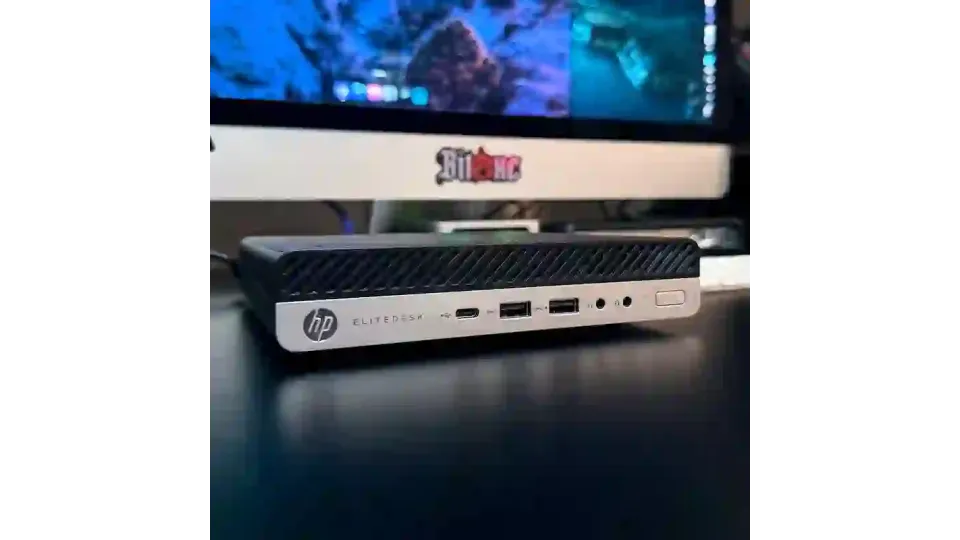
HP EliteDesk 705 G4 Mini PC – 16GB Ram - 256GB SSD NVMe – 5tratumOS Multi-Chain Node
HP EliteDesk 705 G4 Mini PC – 5tratumOS Multi-Chain Node (256GB SSD) Condition: Used – fully tested and prepared. May show minor cosmetic wear...
£149.95
HP EliteDesk 800 G3 Mini PC – i5-7500T 16GB 1TB NVMe – 5tratumOS Multi-Chain Node
HP EliteDesk 800 G3 Mini PC – 5tratumOS Multi-Chain Node (1TB NVMe) Condition: Used – fully tested and prepared. May show minor cosmetic wear. ..
£329.95
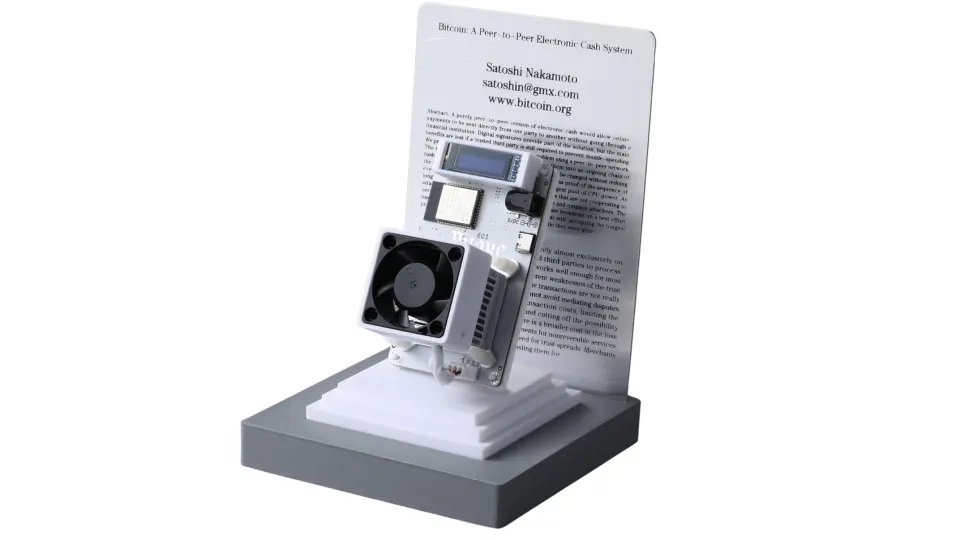
Bitaxe Gamma 601 White Solo Bitcoin Miner – 1.07 to 1.2TH/s 18W BM1370
The Bitaxe Gamma 601 is one of the most powerful open-source single-ASIC Bitcoin miners currently available. Designed for desktop use, the Gamma repre..
£61.95
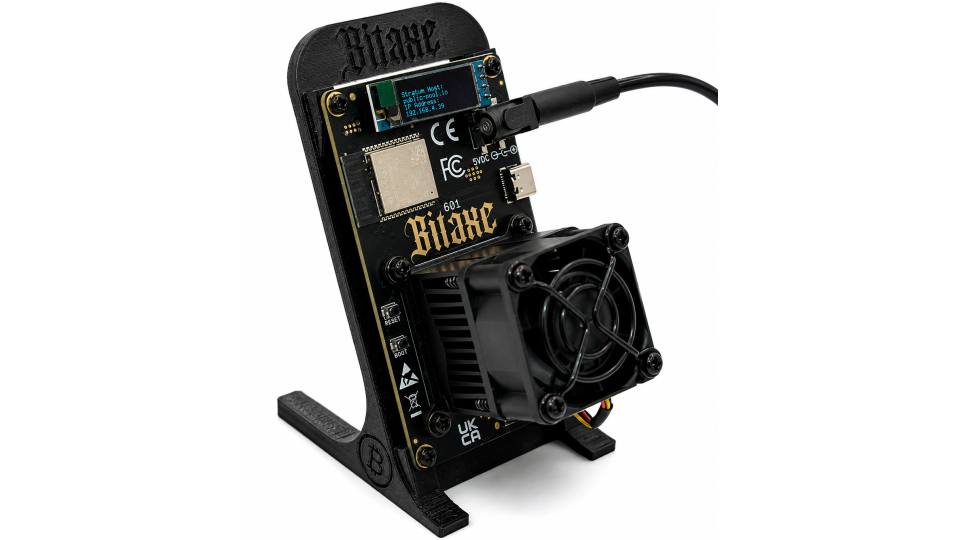
Bitaxe Gamma 601 Solo Bitcoin Miner – 1.07 to 1.2TH/s 18W BM1370
The Bitaxe Gamma 601 is one of the most powerful open-source single-ASIC Bitcoin miners currently available. Designed for desktop use, the Gamma repre..
£59.95