
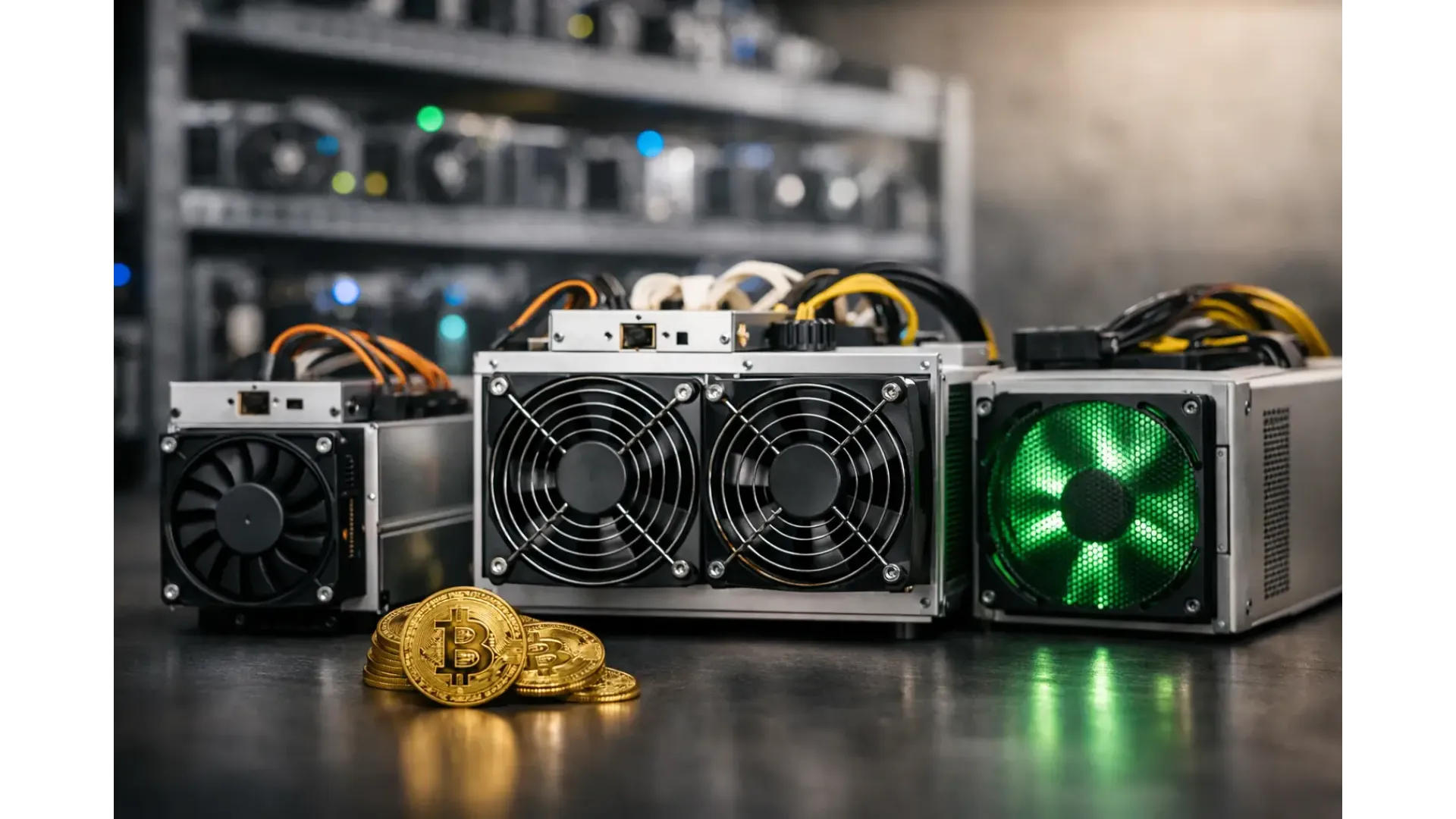
If you are comparing the best bitcoin mining hardware 2026 options, the headline numbers are only part of the buying decision. A miner that looks strong on paper can still be the wrong fit if your electricity rate is high, your space is limited, or you need a quieter setup for home use. In 2026, the gap between a good purchase and a costly mistake is likely to come down to efficiency, deployment conditions and support, not just raw terahash.
What defines the best bitcoin mining hardware 2026
The market tends to reward one figure first: hashrate. That matters, but it is not the cleanest way to judge mining hardware. A higher hashrate gives you more earning potential, yet efficiency - usually measured in joules per terahash - often decides whether a machine remains viable once network difficulty rises or electricity costs change.
For most buyers, the best hardware is the machine that fits a realistic operating model. If you are running in a garage, outbuilding or small dedicated room, acoustics and heat output matter immediately. If you are operating several units, power density, airflow planning and uptime become more important than whether one model has a slight headline advantage over another.
This is why 2026 buying decisions will still split into three broad groups. There are home miners who need compact or lower-noise units, enthusiasts who want serious ASIC performance and are prepared to manage the noise and heat, and value-focused buyers who are willing to consider pre-owned machines where the pricing makes sense.
ASIC miners will still lead the market
Bitcoin mining is not moving away from ASICs. General-purpose hardware has no serious place in competitive Bitcoin mining, and that is unlikely to change in 2026. If you want meaningful Bitcoin hashrate, purpose-built ASIC miners remain the standard.
The main comparison point is not whether to buy an ASIC, but which class of ASIC to buy. At the top end, you are looking at machines built for maximum output and strong fleet economics. These are the models that appeal to small operators and experienced buyers with the right power setup. Lower down the range, there are still viable options for buyers who care more about lower entry cost, easier access or experimentation than outright performance.
That distinction matters because not every miner needs the newest flagship unit. If your power cost is favourable and your ventilation is good, a current-generation high-efficiency ASIC may offer the best long-term maths. If your goal is to learn, mine at home on a smaller scale or control upfront spend, a modest unit may still be the better purchase.
Best bitcoin mining hardware 2026 by buyer type
For maximum performance
Buyers chasing the strongest output should focus on current-generation ASIC miners with very high hashrate and improved power efficiency. In practical terms, this means looking closely at the latest Bitmain Antminer and MicroBT WhatsMiner lines, as these brands continue to dominate serious Bitcoin mining deployments.
The appeal is straightforward. Flagship units typically give the best chance of remaining competitive as difficulty increases. They also make better use of rack space and electrical infrastructure if you are running more than one machine. The trade-off is equally straightforward: these units are louder, hotter, more expensive and less forgiving of weak site preparation.
For a serious setup, buying a high-end ASIC only makes sense if the rest of the environment is equally considered. Without proper airflow, stable power delivery and a realistic plan for noise, premium hardware can become difficult to run well.
For home mining
Home mining buyers need to be more selective. The strongest ASIC on the market is rarely the best choice for a spare room, loft or domestic outbuilding. Even when power consumption is manageable, fan noise and heat output can make full-sized ASICs impractical in residential settings.
In this category, smaller form-factor miners and lower-power units become more relevant. Solo mining devices and compact home mining hardware can be attractive for hobbyists who value simplicity, lower noise and easier setup over scale. They will not compete with industrial-class ASIC output, but they can still serve a clear purpose for learning, low-commitment participation or a specialist home setup.
This is also where expectations need to stay realistic. Home miners should not buy based on social media claims or optimistic earnings screenshots. The better approach is to decide first how much noise, heat and power draw your space can actually handle, then choose hardware that fits those limits.
For value-focused buyers
Pre-owned ASIC miners will remain part of the 2026 market because they offer a lower entry point. For some buyers, especially those with low electricity costs or a short payback target, used hardware can still make sense.
The risk is condition. A cheaper unit is not automatically better value if it has been heavily run, poorly maintained or shipped without proper testing. Fan wear, hashboard issues and power supply reliability are all real concerns in the pre-owned segment. Buyers considering used machines should place more weight on testing, warranty terms and seller support than on headline discount alone.
A specialist retailer with a narrow product focus is often the safer route than buying from a general marketplace. The product itself matters, but so does the confidence that the machine has been checked and that support exists if something is wrong on arrival.
The numbers that matter more than marketing
Hashrate gets attention because it is easy to compare, but three other figures usually carry more practical weight.
Efficiency is first. Better joules per terahash means less electricity consumed for the work performed. In a rising-difficulty environment, efficient machines tend to age better. This does not guarantee profitability, but it improves your margin for error.
Power draw comes next. A machine may look affordable until you realise your circuit cannot support it safely or your running costs make it uneconomic. UK buyers in particular need to be strict here. Domestic power constraints can shape the buying decision as much as the miner itself.
Noise and thermal load are the third factor. A miner that produces substantial heat and fan noise may be technically excellent but operationally unsuitable. For home and small-site deployments, this is often where otherwise strong products are ruled out.
Buying for the UK market
For UK buyers, the hardware decision should include supply, shipping and after-sales support. Importing directly can look cheaper at first glance, but delays, unclear warranty handling and communication gaps can quickly cancel the saving.
That is why merchant reliability matters. Buyers are not only purchasing a machine; they are purchasing lead time clarity, returns handling and support when setup issues appear. For dedicated mining hardware, that support layer is not a minor extra. It is part of the product value.
A specialist supplier such as Ehasher is relevant here because the catalogue is already structured around mining-specific use cases rather than generic electronics. That makes it easier to compare ASIC miners, solo miners, node products and accessories in one place, with practical support routes already visible.
Should you buy the newest model or the proven one?
It depends on your risk tolerance and operating plan. Newer models usually offer better efficiency and stronger future competitiveness. They also tend to command a premium and may have less field history at launch.
Proven models can be easier to assess because real-world performance is already better understood. The downside is that older hardware can lose viability faster if efficiency is materially behind the latest generation. For buyers with expensive electricity, that gap matters a lot. For buyers with lower running costs, a proven machine at the right price may still be the better transaction.
The right question is not simply which machine is best. It is which machine still looks sensible after you account for power price, setup costs, cooling, noise management and expected runtime.
A practical way to choose in 2026
Start with your site, not the spec sheet. Confirm available power, ventilation, and how much noise you can tolerate. Then set a budget that includes accessories, not just the miner. Power cables, networking, airflow adjustments and possible sound management are part of the real cost.
After that, compare three classes only: a current flagship ASIC, a mid-tier or previous-generation alternative, and a home-friendly compact option if residential use is part of the brief. That narrower comparison usually exposes the right answer quickly. Either the premium machine justifies itself on efficiency, the mid-range unit wins on value, or the smaller product is the only one that genuinely fits the environment.
A good mining purchase in 2026 will look less like chasing the biggest terahash number and more like matching hardware to real operating conditions. Buy the machine you can power properly, cool properly and keep running with confidence, and the decision will usually hold up better over time.
Related Product
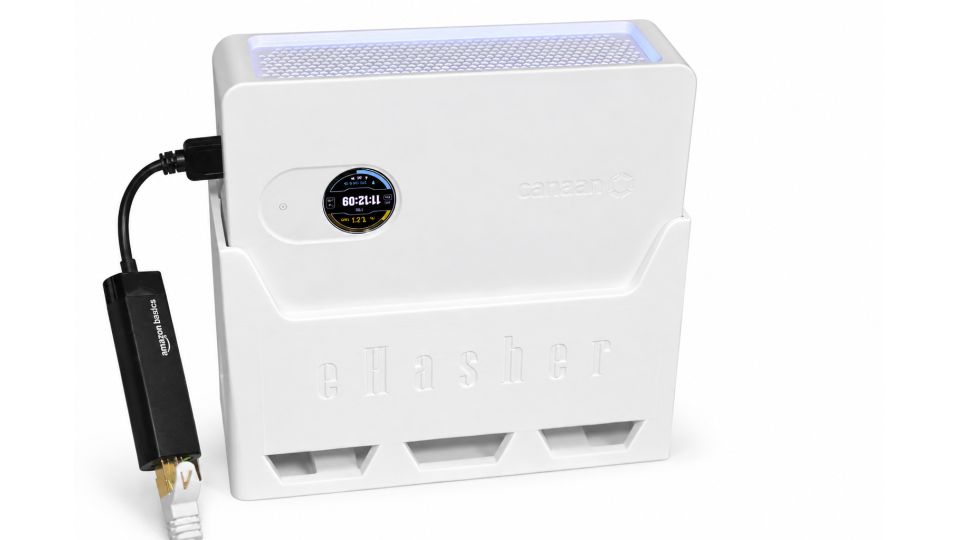
Canaan Avalon Nano 3S Home Bitcoin Miner – White – with Stand and Adapter
The Canaan Avalon Nano 3S in white is a compact, beginner-friendly Bitcoin miner designed specifically for home and desktop use. Combining stylish des..
£219.95
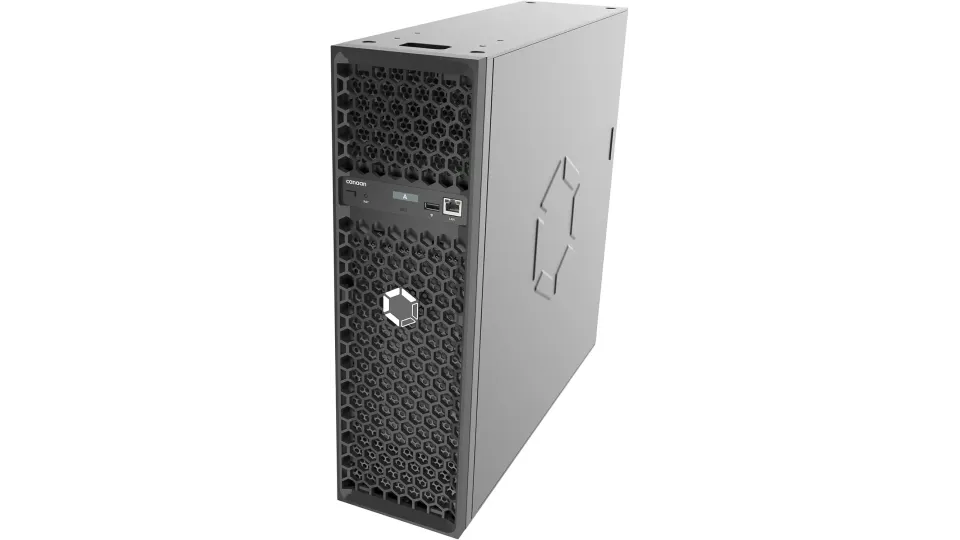
Canaan Avalon Q Home Bitcoin Miner – 90TH/s SHA-256 ASIC Miner – Quiet High-Performance BTC Mining
THIS ITEM SHIPS TO THE UK ONLY (DUE TO WEIGHT AND SIZE) The Canaan Avalon Q is a powerful yet home-friendly ASIC miner designed for efficient Bitco..
£1,289.95
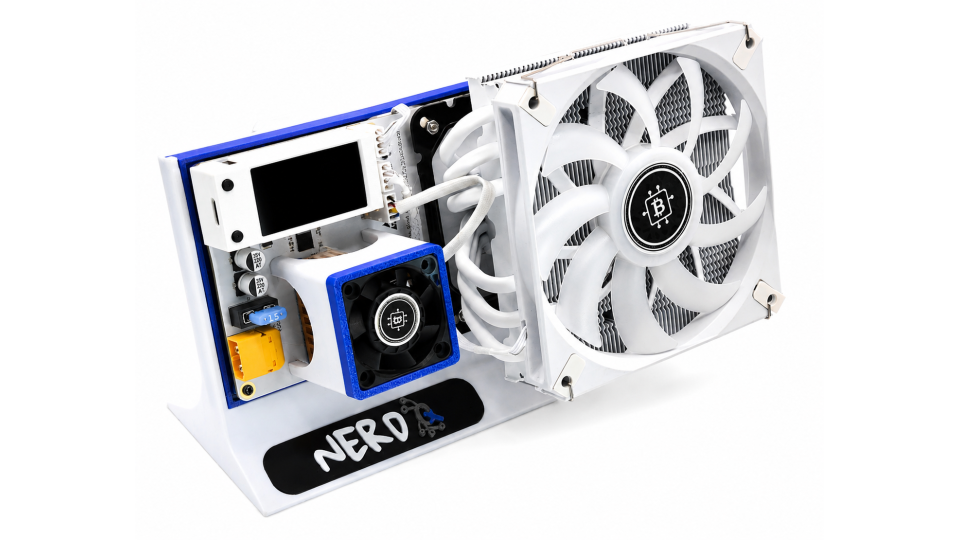
NerdQX White Bitcoin Solo Miner – 6.4–7.5 TH/s | eHasher Performance Edition
The NerdQX White Performance Edition is a compact, powerful and energy-efficient Bitcoin solo miner, individually tested and configured by eHasher Min..
£289.95
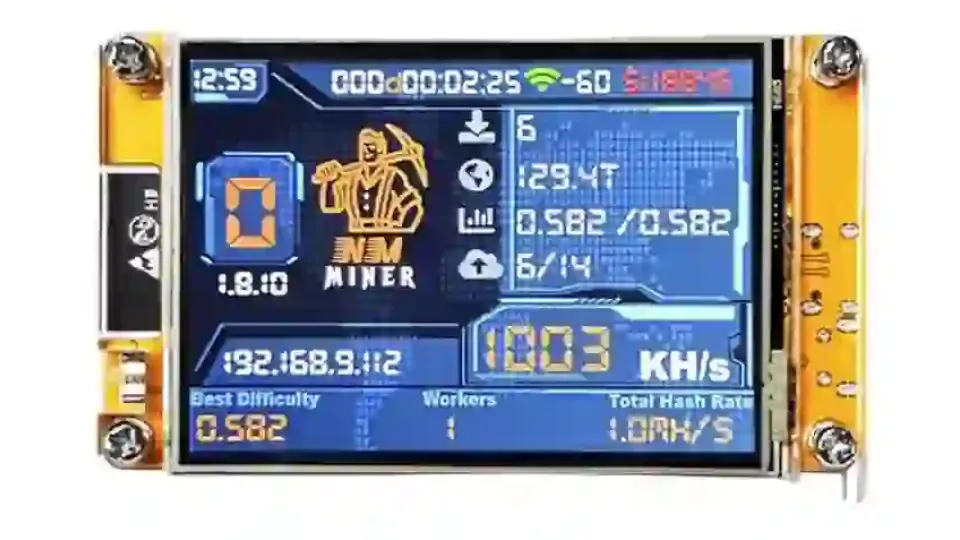
NmMiner V2 Home Bitcoin Miner – Quiet ESP32
The NmMiner V2 is a compact, standalone Bitcoin lottery miner designed for hobbyists, educators, and tech enthusiasts who want to explore real Bitcoin..
£17.95