
A miner that saves a few joules per terahash can look modestly better on a specification sheet. Across a full year of operation, however, that difference can decide whether a machine remains worth running when Bitcoin difficulty rises or electricity costs tighten. That is why asic efficiency trends 2026 matter to home miners and small operators: efficiency is no longer a premium feature. It is the baseline for sensible hardware selection.
For UK buyers, the calculation is especially practical. Electricity tariffs, heat, noise, available circuits and ventilation all affect the real cost of each mined bitcoin. The newest ASIC is not automatically the right purchase, but an older unit with poor efficiency can become expensive quickly, even if its upfront price is attractive.
ASIC Efficiency Trends 2026: The Numbers That Matter
ASIC efficiency is normally expressed in joules per terahash, written as J/TH. It measures the energy required to produce one terahash of SHA-256 computing power. Lower is better. A miner rated at 15 J/TH uses less energy for the same hashrate than one rated at 25 J/TH.
This figure is more useful than hashrate alone. A high-hashrate machine can still consume enough power to create a difficult operating cost, while a lower-powered miner may better suit a home installation, a restricted electrical supply or a specific electricity price. Buyers should compare both figures together: hashrate determines potential output, while J/TH determines how much power is needed to pursue it.
The continuing direction of travel is towards improved efficiency through refined chip processes, board design, firmware control and more deliberate thermal engineering. Gains are becoming harder to achieve than they were in earlier ASIC generations. That does not make them less valuable. As mining competition increases, even small efficiency improvements can materially affect operating margin.
Rated figures should still be treated as a starting point, not a guarantee. Ambient temperature, dust, fan condition, firmware settings, PSU efficiency and the stability of the incoming supply can all change actual wall consumption. For a purchase decision, use the manufacturer specification for comparison, then allow a margin for real-world operation.
Efficiency Is Now a System Question
The most useful trend is not simply lower J/TH at the chip level. It is a shift towards viewing the miner, power supply and cooling arrangement as one system. A highly efficient ASIC cannot deliver its intended result if it is heat-soaked in a small room, supplied through unsuitable wiring or run with blocked airflow.
Power delivery and electrical limits
Before ordering a full ASIC, establish the available electrical capacity. Most high-performance miners require a dedicated circuit and can draw a substantial continuous load. A standard domestic socket is not a substitute for a properly assessed installation. In the UK, buyers should consider circuit rating, socket type, cable condition and whether other appliances share the supply.
The cost calculation should use the actual tariff, including any time-of-use structure where relevant. A miner consuming 3 kW continuously uses roughly 72 kWh per day before allowing for ancillary equipment. Fans, extraction, pumps for hydro systems and network equipment also consume power. Those loads may be small beside the ASIC itself, but they should not be ignored when margins are narrow.
For experienced users, underclocking can be a practical efficiency tool. Reducing frequency and voltage may lower hashrate, but it can reduce wattage disproportionately and make operation quieter and cooler. The trade-off is straightforward: maximum hashrate is not always maximum efficiency, and maximum efficiency is not always maximum daily revenue. The appropriate setting depends on electricity price, available cooling and the purpose of the installation.
Heat is part of the operating cost
Every watt drawn by an air-cooled ASIC becomes heat in the room. This is a central constraint for home mining. A machine may be efficient in J/TH terms while still producing several kilowatts of heat that need to be moved safely outside the space.
Cooler intake air generally helps miners hold stable performance, while high ambient temperatures can force fan speeds up, increase noise and reduce reliability over time. Airflow needs a clear route: cool air in, hot air out. Recirculating exhaust air back towards the intake can quickly undermine a well-planned setup.
Immersion and hydro-cooled systems can offer better thermal control and lower perceived noise in suitable installations, but they add cost, complexity and infrastructure requirements. They are not an automatic upgrade for a hobbyist. Air-cooled equipment remains the practical choice for many buyers, provided that ventilation, noise and electrical planning are addressed before installation.
Why Older ASICs Need Closer Scrutiny
Pre-owned ASIC miners can offer a lower entry cost and can be suitable for buyers with low-cost power, a specific learning objective or access to heat reuse. The efficiency gap between generations, however, must be priced into the decision.
An older machine may deliver acceptable hashrate for a low purchase price but consume significantly more energy per terahash than a current model. If power costs are high, its cheaper purchase price can be overtaken by additional electricity expenditure. Condition also matters. Fans, hashboards, control boards and power supplies have operating histories, and a used unit should be assessed with realistic expectations around warranty and support.
This does not mean pre-owned hardware has no place. It means the comparison should be made on total cost of ownership, not headline price. Buyers should estimate expected power use, account for their tariff, consider likely uptime and decide how long they expect to operate the unit. A well-priced used miner can make sense. A bargain that cannot run efficiently on the available power supply is rarely a bargain.
Choosing Hardware Around the Job
The right ASIC depends on what the buyer is trying to achieve. A home miner may prioritise manageable heat, noise and power draw. A small-scale operator with suitable premises may prioritise fleet efficiency and serviceability. Someone interested in Bitcoin mining education or solo mining may be better served by a low-power device rather than a high-wattage machine intended for continuous commercial operation.
When comparing options, begin with four questions:
- What is the delivered electricity cost per kWh at the intended location?
- How much continuous electrical load can the site support safely?
- Where will heat and noise go during sustained operation?
- Is the goal learning, solo mining, supplemental hashrate or revenue-focused mining?
These answers narrow the product choice faster than comparing hashrate figures in isolation. They also prevent a common mistake: buying a powerful ASIC first and attempting to solve power and ventilation afterwards.
For pool mining, efficiency contributes directly to operating discipline, but it does not remove network risk. Bitcoin price, network difficulty, transaction fees, pool fees and uptime all affect results. For solo mining, the probability model is different again. A small solo miner can be enjoyable and educational, but it should not be presented as a predictable income machine. Hardware efficiency still matters because it limits the cost of keeping that probability running.
Firmware, Maintenance and Measured Performance
Efficiency gains can be lost through poor maintenance. Dust buildup restricts airflow, worn fans reduce cooling performance and loose or unsuitable connections create avoidable risk. Keep intake areas clean, monitor temperatures and hashboard status, and investigate unexpected hashrate drops rather than allowing a machine to run in a degraded state.
Firmware should be approached carefully. Manufacturer-supported settings and reputable management tools can help monitor performance, but aggressive tuning can introduce instability, more heat or a shorter component life. Any change should be measured at the wall with reliable power data, not judged only by a dashboard estimate. Record hashrate, watts, temperature and rejected shares before and after adjustment.
This is where specialist hardware support is valuable. Ehasher buyers should select equipment with the installation environment in mind, then confirm power requirements, supplied accessories, warranty terms and delivery details before committing to a setup.
The best 2026 efficiency upgrade may not be the unit with the lowest published J/TH. It may be the ASIC that your electrical supply can support, your ventilation can manage and your tariff can justify - operated cleanly, monitored properly and chosen for the job it needs to do.
Related Product
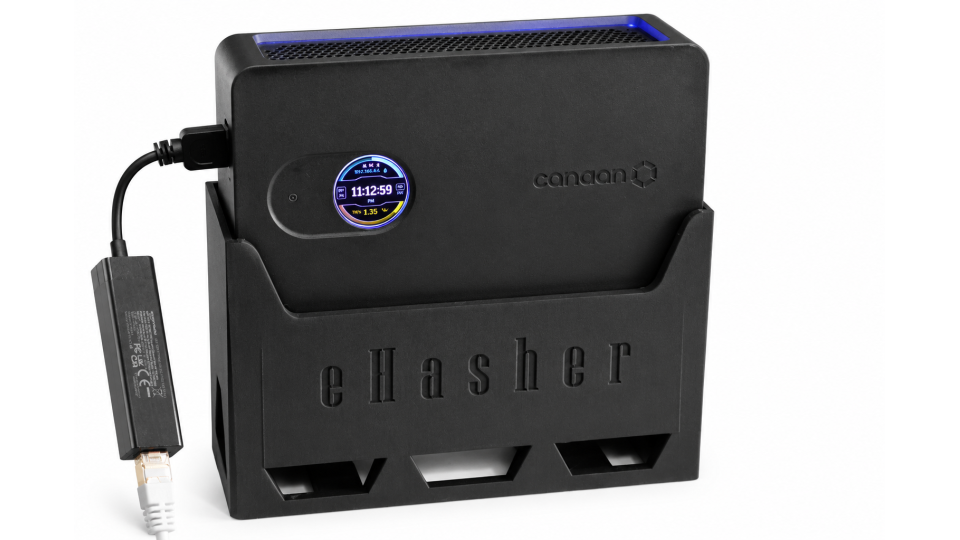
Canaan Avalon Nano 3S Home Bitcoin Miner – Black with Stand and Adapter
The Canaan Avalon Nano 3S in black is a compact, beginner-friendly Bitcoin miner designed specifically for home and desktop use. Combining stylis..
£214.95
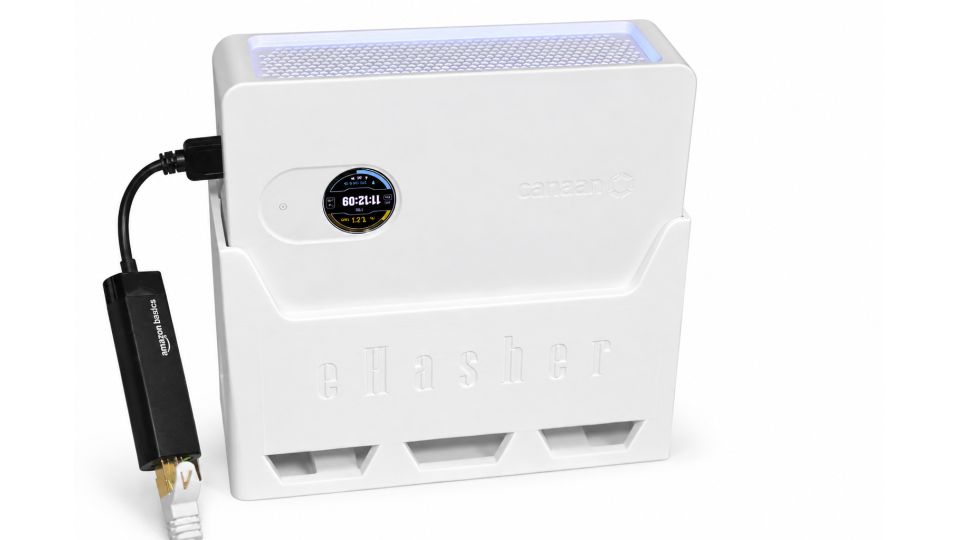
Canaan Avalon Nano 3S Home Bitcoin Miner – White – with Stand and Adapter
The Canaan Avalon Nano 3S in white is a compact, beginner-friendly Bitcoin miner designed specifically for home and desktop use. Combining stylish des..
£219.95