

A mining pool node is not another ASIC competing for hashrate. It is the local point of control between your miners and the pool. That distinction explains the main 5stratumos pool node benefits: it can make a multi-miner setup easier to manage, reduce repeated configuration work, and give a home or small-scale operator a clearer view of where their machines are sending shares.
For miners adding more than one device, the practical question is rarely whether a pool node will magically increase earnings. It will not change the underlying difficulty, your ASIC efficiency, pool fee, or Bitcoin price. The value is operational. A purpose-built pool node can make the setup behind your hashrate more orderly, more private on the local network, and easier to maintain when equipment changes.
How a pool node fits into a mining setup
In a direct-to-pool arrangement, every ASIC is configured with a pool URL, port, wallet address or account name, and worker details. Each miner independently connects across the internet and submits shares to the pool. This is perfectly suitable for a single home miner and remains common at every scale.
A pool node sits on your local network and acts as an intermediary. Your ASICs connect to the node using a local address, while the node manages the onward connection to the chosen pool or pool endpoint. Depending on the product configuration and supported services, it may also provide a central place for worker routing, status visibility, and connection management.
That local layer matters most when several machines are involved. Instead of treating every miner as an isolated device with its own external pool configuration, you can organise the site around one local endpoint.
5stratumos pool node benefits that matter in practice
1. One local endpoint for multiple miners
The clearest benefit is simpler configuration. Once the pool node is installed on the same network as your miners, ASICs can be pointed to a local address rather than individually configured around external pool details. This is particularly useful where machines are added gradually, replaced after a fault, or moved between locations on the same site.
For a home miner running one compact device, the time saving may be modest. For an operator with several ASICs, it removes repetitive work and reduces the chance of typing a pool URL, worker suffix, or wallet address incorrectly on a small miner interface.
It also gives your setup a consistent structure. New equipment can follow the same local configuration process rather than inheriting whatever pool settings happened to be used on the previous machine.
2. Easier pool changes and maintenance
Pool selection is not always fixed. A miner may change pools because of payout preference, server availability, support for a particular protocol, regional endpoint performance, or a revised operating plan. Without a local node, a change can mean visiting the web interface of every ASIC and updating several fields on each one.
With a pool node, much of that routing can be handled centrally, subject to the node's supported configuration. The miners continue to use the local endpoint while the upstream connection is adjusted at the node. This can make a planned pool change considerably less disruptive, especially where miners are installed in a garage, workshop, utility room, or another area where physical access is inconvenient.
Central management is also useful during maintenance. If you need to isolate a group of workers, test a different routing arrangement, or bring replacement hardware online, there is less need to alter every device at once. The key advantage is control, not complexity for its own sake.
3. Better local network organisation
ASIC miners are specialist network devices, but their network administration can become untidy quickly. Fixed IP addresses, DHCP reservations, switch ports, router settings, web logins, and pool credentials all need some level of organisation. A pool node gives the mining side of the network a defined local service to connect to.
This can be helpful when separating mining equipment from ordinary household devices. A sensible installation may use a dedicated switch, properly labelled Ethernet cables, and a separate network segment where appropriate. The pool node becomes part of that planned layout rather than leaving every ASIC to maintain its own direct external connection.
It is not a substitute for basic network security. You should still use strong router administration credentials, keep management interfaces away from unnecessary public exposure, and restrict access to equipment controls. However, fewer independently configured outbound mining connections can make the overall arrangement easier to understand and audit.
4. More useful troubleshooting when something goes wrong
When hashrate drops, the cause may be the ASIC, the power supply, heat, internet connection, pool endpoint, DNS, router, or a simple configuration error. Diagnosing a problem is harder when every machine has slightly different settings and there is no consistent local path between miner and pool.
A pool node provides a useful point at which to check the connection. If miners can reach the local node but shares are not progressing upstream, you can narrow your investigation towards the internet connection, external pool settings, or the node configuration. If individual miners cannot reach the node, the issue is more likely to be local cabling, addressing, switch capacity, or the ASIC itself.
This does not eliminate downtime, and a node should not be treated as a cure for unstable power or overheating miners. It does, however, create a more logical fault-finding process. For operators who value predictable maintenance over constant interface hopping, that is a meaningful operational gain.
5. Greater control over how miners connect externally
A direct-to-pool setup exposes each miner to external pool configuration and connection handling. A local node can consolidate that relationship, allowing your miners to communicate primarily within your own network while the node handles the upstream path.
For many small operators, the benefit is not anonymity. Mining pool accounts, payout addresses, and worker names still need to be managed correctly, and the pool will still receive the information required to credit work. The advantage is local control and a tidier connection model. It can also be useful for those who prefer not to keep repeatedly entering payout or worker details across a fleet of devices.
Privacy and control should be understood realistically. A pool node does not make mining private by default, and it does not remove the need to trust the pool you choose. It simply gives you more ownership of the local infrastructure between your ASICs and that service.
What a pool node will not do
A pool node should be purchased for management and setup benefits, not as a promise of higher mining returns. It cannot make an inefficient ASIC competitive, reduce your electricity tariff, or overcome Bitcoin network difficulty. If a miner is producing rejected shares because it is unstable, running too hot, or using unsuitable firmware settings, the underlying issue still needs attention.
Latency also deserves a measured view. Keeping miner traffic local until it reaches the node can make the internal layout cleaner, but the internet route from your premises to the pool still matters. For most home and small-scale setups, reliability, correct configuration, and sensible pool choice are more important than chasing tiny theoretical differences in response time.
The node itself becomes another device to power, place, and maintain. Plan for a stable power source, a reliable wired Ethernet connection, and access to its management interface. If it is switched off or misconfigured, miners relying on it may lose their pool connection. Some operators may therefore retain backup pool entries on their ASICs where the hardware and configuration allow it.
Before adding a 5stratumos pool node
Start by checking compatibility with your intended miners, firmware, and pool arrangement. Stratum versions, proxy behaviour, worker naming, and failover options vary between devices and services. A pre-configured node reduces setup time only when its supported configuration matches the way you intend to mine.
Next, assess the scale of your operation. A single lottery-style solo miner or one ASIC with a stable direct pool connection may not need an additional local layer. The case becomes stronger as you add machines, want cleaner management, or prefer to avoid repeating configuration changes across a group of devices.
Finally, prepare the network before the node arrives. Use wired Ethernet where possible, reserve addresses or document static IPs, label the miner connections, and ensure the router and switch can support the equipment. Mining hardware is easier to maintain when the physical installation is as organised as the software settings.
For buyers building a tidy home rack or growing a small ASIC operation, Ehasher's focus on purpose-built mining equipment makes a pre-configured pool node a practical addition rather than an unnecessary accessory. Choose it when central control will save time in your actual setup, then give the network layout the same attention you give hashrate and power costs.
Related Product
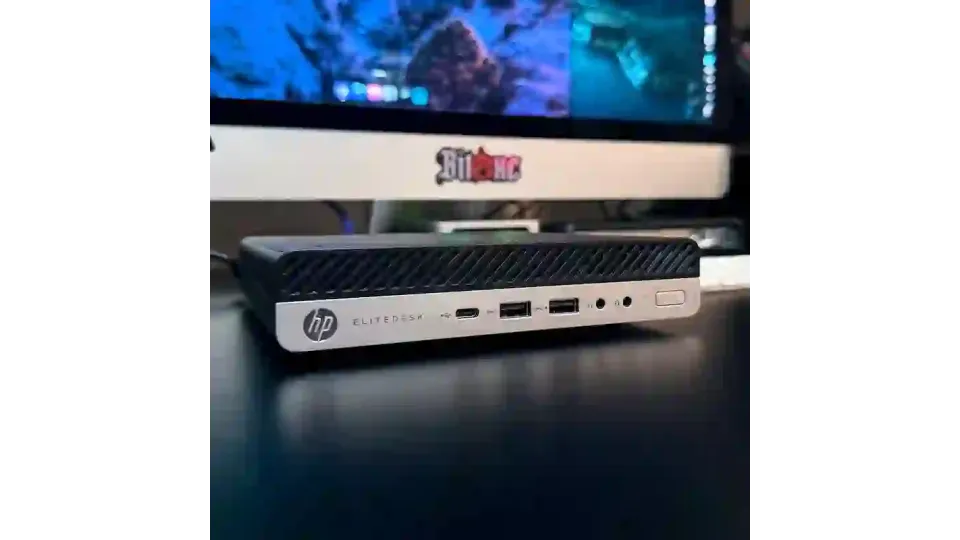
HP EliteDesk 705 G4 Mini PC – 16GB Ram - 256GB SSD NVMe – 5tratumOS Multi-Chain Node
HP EliteDesk 705 G4 Mini PC – 5tratumOS Multi-Chain Node (256GB SSD) Condition: Used – fully tested and prepared. May show minor cosmetic wear...
£149.95
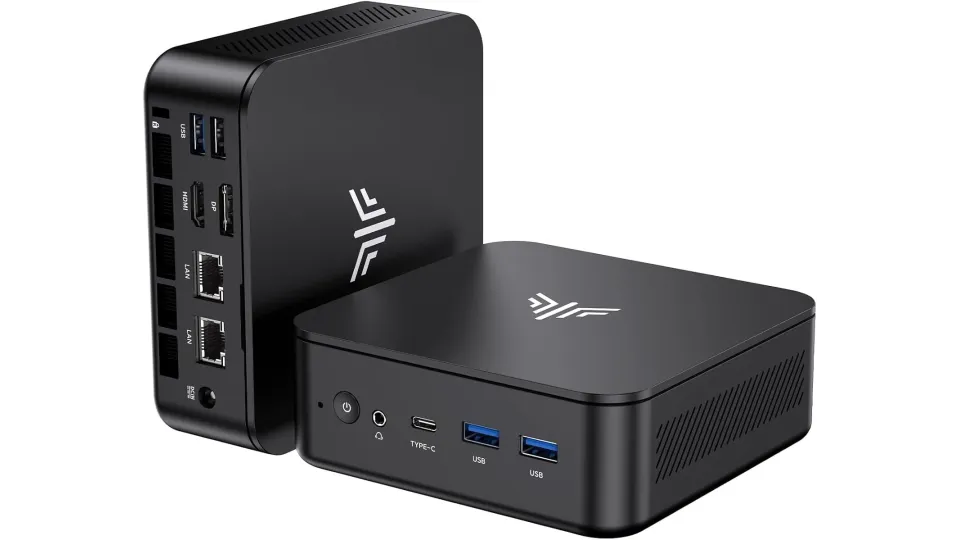
NIPOGI E3 Mini PC Ryzen 5 3500U Black | 32GB RAM | 1TB NVMe | 5tratumOS Node Ready
This compact and energy-efficient NiPoGi E3 Mini PC has been professionally configured as a multi-chain pool node system, running 5tratumOS on a high-..
£449.95
HP EliteDesk 800 G3 Mini PC – i5-7500T 16GB 1TB NVMe – 5tratumOS Multi-Chain Node
🏖️ HOLIDAY NOTICE Please note that eHasher will be taking a short break from 5pm Wednesday 2 September until 9am Tuesday 15 September 2026 (UK t..
£329.95