

Last updated: March 2026
Bitcoin Mining Pool Scams Explained (How to Stay Safe in 2026)
Not all mining pools are what they claim to be.
A scam mining pool is a service that pretends to mine Bitcoin (BTC), but secretly redirects your hashrate to mine another blockchain — usually Bitcoin Cash (BCH) — while keeping 100% of the rewards.
Your miner does the work. The pool operator keeps the profit. You get nothing.
This is not a theory — it has already happened.
Real Example: Mining Pool Scam Exposed
In February 2026, a community researcher published clear proof that two popular solo mining pools were not mining Bitcoin at all.
Instead, they were mining Bitcoin Cash while advertising themselves as BTC pools.
The evidence came from analysing prevhash data (the previous block hash miners work on):
- Legitimate pools all matched the Bitcoin network
- Scam pools showed completely different hashes
- Those hashes matched the Bitcoin Cash blockchain
This proved miners were unknowingly contributing hashrate to the wrong chain — with zero payout.
Why Home Miners Are Targeted
As home Bitcoin mining grows, so does the opportunity for scams.
Devices like Bitaxe and Nerdaxe have made mining more accessible than ever, bringing thousands of new users into the space.
That creates two risks:
- Beginners trust unknown pool URLs
- No built-in verification in standard mining protocols
This means a miner can be working perfectly — but still earning nothing.
How AxeOS Helps Protect You
Modern firmware like AxeOS now includes built-in protection features.
One of the most important is the coinbase transaction check.
This allows your miner to verify:
- If your wallet address is included in block rewards
- If the pool is actually mining Bitcoin
- If something looks suspicious
If there’s a problem, you’ll see a warning like:
“You don’t have a share in the coinbase reward”

Example of the AxeOS warning when your mining pool may be misconfigured or unsafe
This is a major red flag — especially when using solo pools.
How to Check if Your Mining Pool Is Legit
Before connecting your miner, follow these steps:
- Use trusted pools only
- Check block history on mempool explorers
- Watch for dashboard warnings in AxeOS
- Avoid unrealistic profit promises
If something feels off — it probably is.
Best Way to Stay Safe
The safest approach is to use:
- Trusted public mining pools
- Or your own private node setup
Want full control?
View Home Mining Pool Nodes
Running your own node removes third-party risk and gives you complete control over your mining setup.
Red Flags to Watch For
- No verifiable block history
- Anonymous or unknown operators
- Promises of guaranteed returns
- Strange or mismatched network data
- Requests for unnecessary personal information
Bitcoin mining is probabilistic — no legitimate pool can guarantee profits.
Final Thoughts
Scam mining pools are one of the biggest hidden risks in home Bitcoin mining.
Your miner could be running perfectly — but earning nothing if connected to the wrong pool.
Always verify your pool, monitor your dashboard, and use trusted infrastructure.
Small checks can protect your hashrate — and your rewards.
Related Product
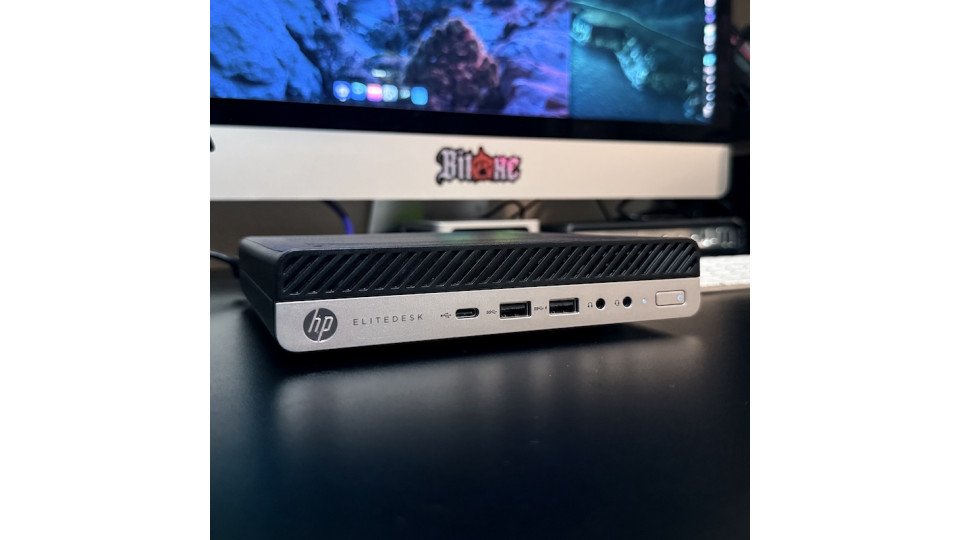
HP EliteDesk 705 G4 Mini PC – 16GB 1TB NVMe – 5tratumOS Multi-Chain Node
HP EliteDesk 705 G4 Mini PC – 5tratumOS Multi-Chain Node (1TB NVMe) Condition: Used – fully tested and prepared. May show minor cosmetic wear. ..
£349.95
HP EliteDesk 800 G3 Mini PC – i5-7500T 16GB 1TB NVMe – 5tratumOS Multi-Chain Node
HP EliteDesk 800 G3 Mini PC – 5tratumOS Multi-Chain Node (1TB NVMe) Condition: Used – fully tested and prepared. May show minor cosmetic wear. ..
£379.95
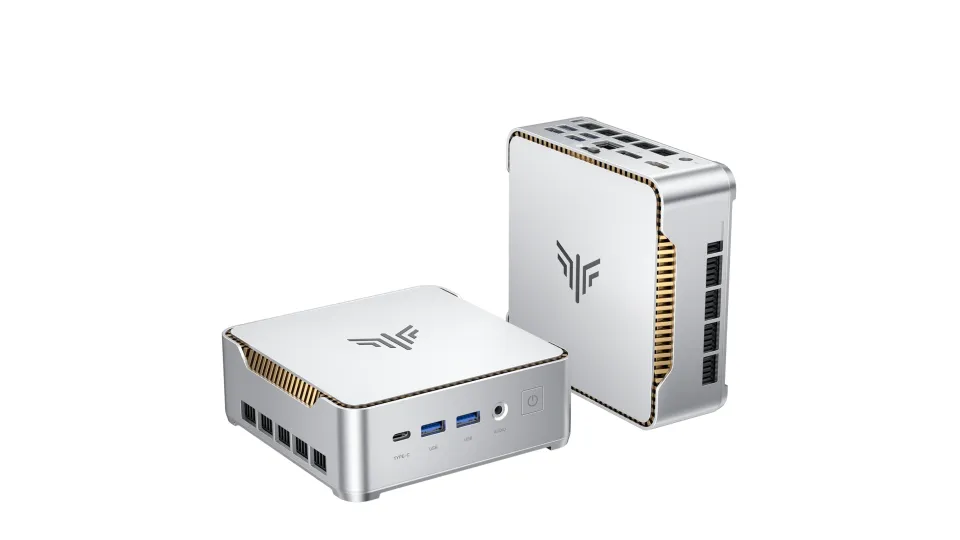
NiPoGi P2 Mini PC – Ryzen 4300U White | 32 RAM | 1TB NVMe | Pre-Installed with 5tratumOS
NiPoGi P2 Mini PC – Ryzen 4300U / 32GB RAM / 1TB NVMe – 5tratumOS Multi-Chain Pool Node Condition: New – professionally prepared and fully te..
£499.95
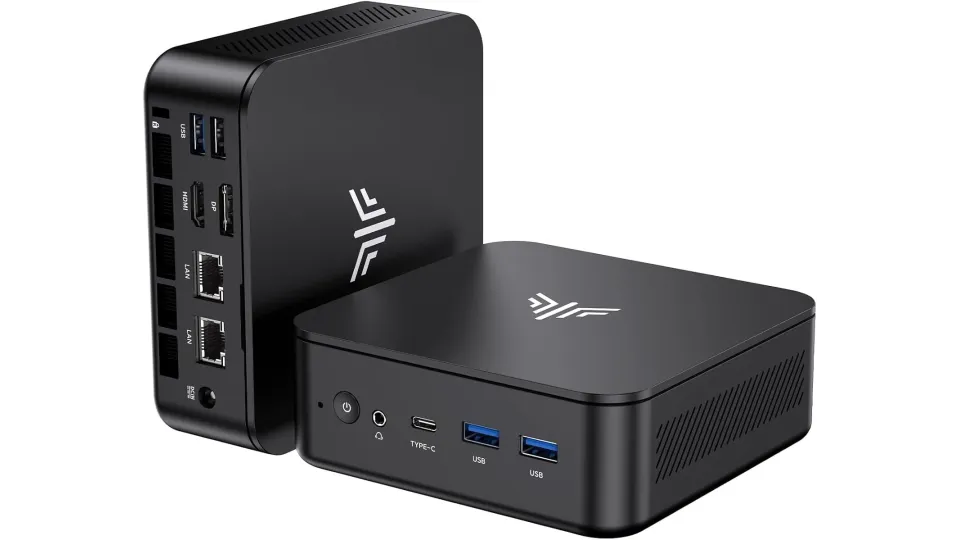
NIPOGI E3 Mini PC Ryzen 5 3500U Black | 32GB RAM | 1TB NVMe | 5tratumOS Node Ready
Condition: New – professionally prepared and fully tested. This compact and energy-efficient NiPoGi E3 Mini PC has been professionally configured..
£499.95