
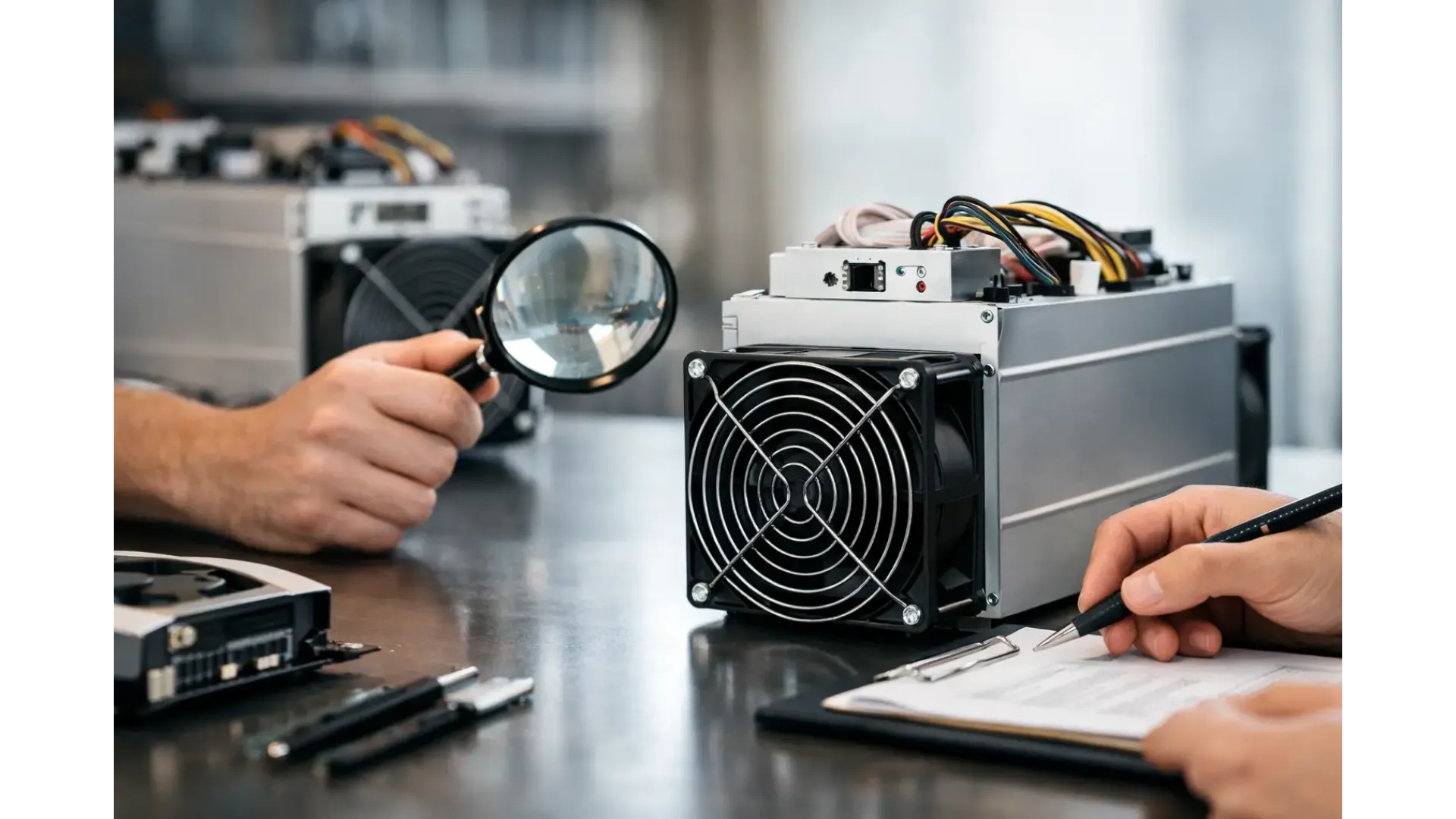
If you are comparing asic miners for sale, the machine itself is only half the decision. The other half is whether it fits your power costs, noise limits, space, heat management, and mining goals. A miner that looks strong on paper can be the wrong buy for a home setup, while a lower-cost unit can make far more sense if you are working to a fixed budget or testing a small-scale operation.
That is why buying ASIC hardware needs a practical filter rather than a headline-spec approach. Hashrate matters, but so do efficiency, seller support, warranty terms, realistic delivery information, and whether the unit is new or pre-owned. For most buyers, the best machine is not the most powerful one. It is the one that can run reliably in the environment you actually have.
How to assess asic miners for sale
The first figure most buyers check is hashrate. It tells you the machine's processing output and gives a rough sense of mining potential. On its own, though, hashrate can be misleading. Two units may look similar at first glance, but if one draws substantially more power, the operating cost can quickly outweigh the performance gain.
Efficiency is usually the more useful number. In practical terms, you are looking at how much power the miner uses to produce its hashrate. If electricity is expensive where you are, a more efficient machine may offer a better long-term result than a cheaper, less efficient model. This is especially relevant for home miners in the UK, where energy costs can change the economics of a setup very quickly.
Noise is another point buyers often underestimate. Full ASIC miners are not consumer electronics. Many units are loud enough to be unsuitable for a spare room, office, or shared indoor area. If you are buying for home use, check realistic expectations around fan noise and heat output before you commit. Some buyers are better served by smaller home mining units or solo devices rather than jumping straight into a larger ASIC system.
Heat follows the same logic. A miner that runs continuously will generate a serious amount of warm air. In cooler months, that may be manageable. In a smaller room or during warmer periods, it can become a problem unless ventilation has been planned properly. Buying without thinking about airflow is a common mistake.
New vs pre-owned ASIC miners for sale
New hardware usually appeals for obvious reasons. You expect a cleaner service life, manufacturer-backed parts, and less uncertainty around previous usage. If uptime, warranty coverage, and predictable performance are your main priorities, new stock often gives the most confidence.
Pre-owned miners can still be a sensible option. They tend to open the market to buyers who want more hashrate for the same budget or who are willing to accept a shorter lifespan in exchange for lower entry cost. That trade-off can work well for technically confident buyers who understand maintenance and are comfortable monitoring machine condition more closely.
The key is not assuming that pre-owned always means poor value, or that new always means best value. It depends on pricing, usage history, condition checks, and what support is offered after the sale. A properly described used miner from a specialist retailer is a very different proposition from buying an unknown unit through an unstructured marketplace.
When comparing pre-owned stock, look for signs that the seller understands mining hardware rather than simply shifting second-hand electronics. Clear condition grading, testing standards, and practical support details matter. If that information is vague, the lower price may not be worth the risk.
The spec sheet is not the whole story
A lot of buying decisions stall at the product page because specs can look close enough to make machines seem interchangeable. They are not. One unit may be better for a dedicated outbuilding with stable power and strong extraction, while another may be more suitable for a buyer who wants controlled costs and a simpler setup.
Power supply compatibility matters. Some miners require a specific PSU arrangement, and not every buyer notices this until late in the process. Form factor also matters more than it first appears. A unit that technically fits a shelf may still be awkward once you account for cabling, airflow clearance, and access for maintenance.
Firmware and setup requirements should also be considered. Experienced miners may be happy to handle configuration and network setup themselves. Newer buyers often benefit from simpler deployment or from products designed to reduce setup friction. There is no issue with being a first-time buyer, but there is a real difference between buying a machine and buying a machine you can realistically get running without unnecessary downtime.
Delivery, support and warranty are part of the product
Mining buyers tend to focus heavily on hardware numbers, but retail execution matters just as much. When you are spending serious money on specialist equipment, delivery clarity, returns policy, and warranty cover are not side issues. They are part of the purchase itself.
That is particularly true when sourcing from a dedicated seller rather than a broad electronics marketplace. Buyers want to know when the unit will dispatch, what happens if it arrives with a fault, and whether there is a direct support route if setup issues appear. Good support does not remove all risk, but it does reduce the chances of being left with an expensive machine and no clear path to resolution.
For that reason, specialist retailers such as Ehasher appeal to buyers who want mining-specific hardware backed by straightforward service information. Fast fulfilment messaging is useful, but only when it sits alongside realistic warranty terms and responsive support.
Matching the miner to your setup
A buyer running one machine at home has very different priorities from a small operator adding capacity to an existing site. Home miners usually need to be stricter on noise, heat, and power draw. They may also value simpler setup and smaller form factors over chasing the highest possible hashrate.
Small-scale operators often think more in terms of fleet consistency, efficiency across multiple units, and the practicalities of maintenance. In that case, a machine with familiar parts and predictable behaviour may be more valuable than a slightly stronger alternative that complicates support and spares.
There is also the question of mining style. Not every buyer wants a conventional high-output ASIC as the first step. Some are exploring solo mining devices, home-friendly units, or node-based products that reduce the complexity of piecing together a system from separate components. If your goal is to start mining without building every element from scratch, a more specialised product category may be the better route.
Common buying mistakes
The most common mistake is buying for peak performance without checking operating context. A miner can be technically excellent and still be completely unsuitable for your property or electricity tariff. Another frequent error is underestimating the total setup cost. The machine price may be only the beginning once you account for power supplies, networking, cooling, shelving, and possible acoustic management.
Some buyers also ignore support until they need it. That usually becomes a problem after delivery, when a configuration issue or hardware concern appears and there is no reliable contact path. A lower upfront price is not always cheaper if it comes with poor after-sales handling.
Finally, there is the temptation to buy too much machine too early. If you are new to ASIC mining, a measured first purchase can be more sensible than going straight to a high-output unit that creates noise, heat, and power issues you have not yet dealt with before.
What a good buying decision looks like
A good purchase is usually quite boring on paper. It fits the budget. It fits the space. It fits the power plan. It comes from a seller with clear stock information, sensible warranty terms, and direct support. That may not sound exciting, but mining hardware rewards practical decision-making more than impulse.
If you are weighing several asic miners for sale, narrow the choice by removing any unit that does not suit your actual setup. Once you do that, the right option is often easier to spot. The strongest buy is not the one with the loudest spec sheet. It is the one you can run properly, maintain confidently, and keep working without unnecessary friction.
Before you place the order, pause on one question: not which miner looks best today, but which miner still makes sense once it is plugged in, running hot, drawing power, and expected to perform every day.
Related Product
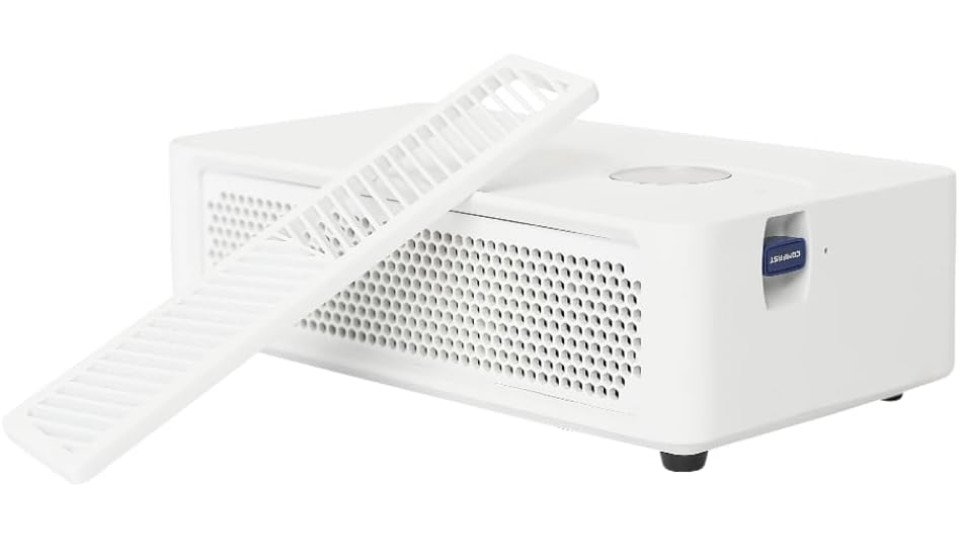
Canaan Avalon Nano 3S Home Bitcoin Miner – White – Compact SHA-256 ASIC
The Canaan Avalon Nano 3S in white is a compact, beginner-friendly Bitcoin miner designed specifically for home and desktop use. Combining stylish des..
£224.95
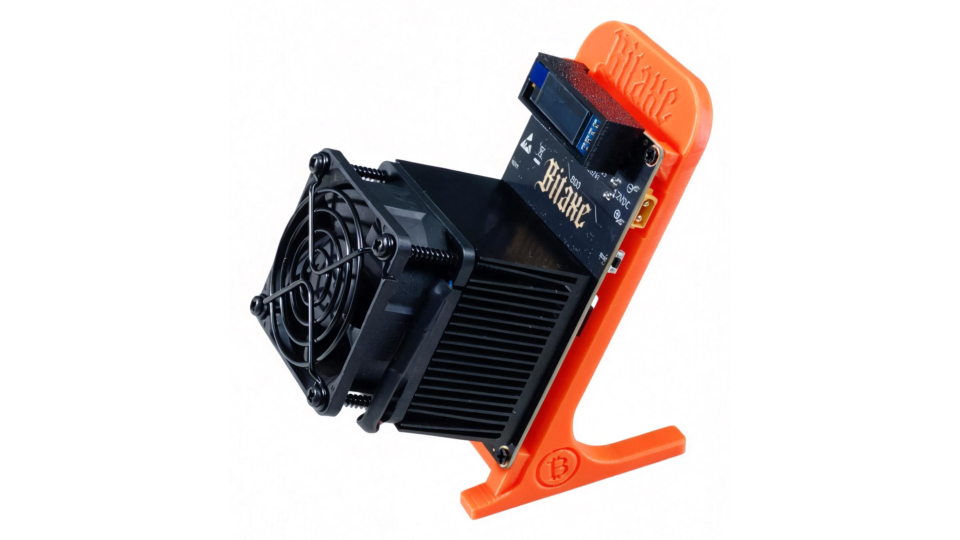
Bitaxe Gamma Turbo 800 Home Bitcoin Miner – Orange – 2.4 TH/s
The Bitaxe GT 800 in orange is a compact and powerful home Bitcoin miner designed for enthusiasts, hobby miners, and anyone interested in running thei..
£119.95
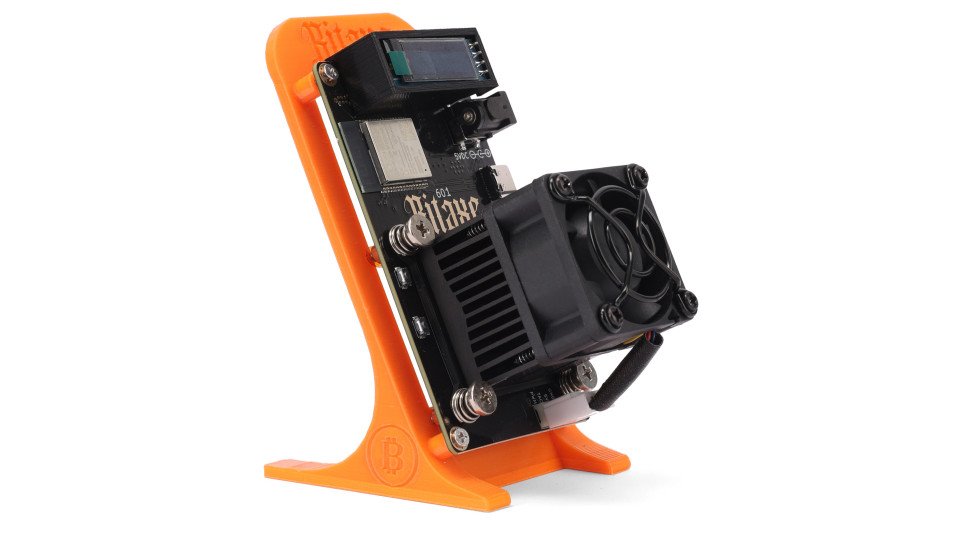
Bitaxe Gamma 601 Orange Solo Bitcoin Miner – 1.2TH/s 18W BM1370
The Bitaxe Gamma 601 is one of the most powerful open-source single-ASIC Bitcoin miners currently available. Designed for desktop use, the Gamma repre..
£69.95
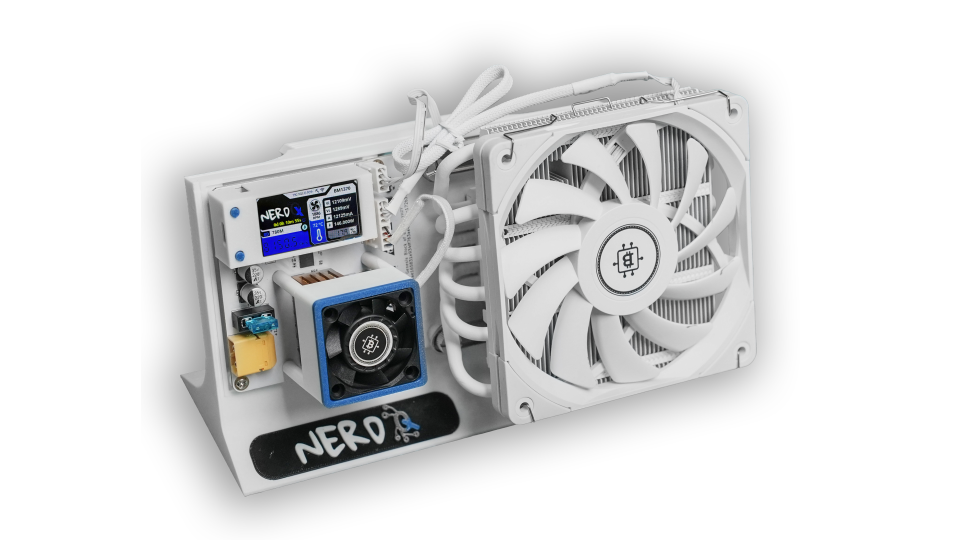
NerdQX Bitcoin Solo Miner – 8.1 TH/s, 138.5W
The NerdQX 8.1 TH/s in white is a compact and powerful home Bitcoin miner designed for enthusiasts, hobby miners, and anyone interested in running the..
£369.95