
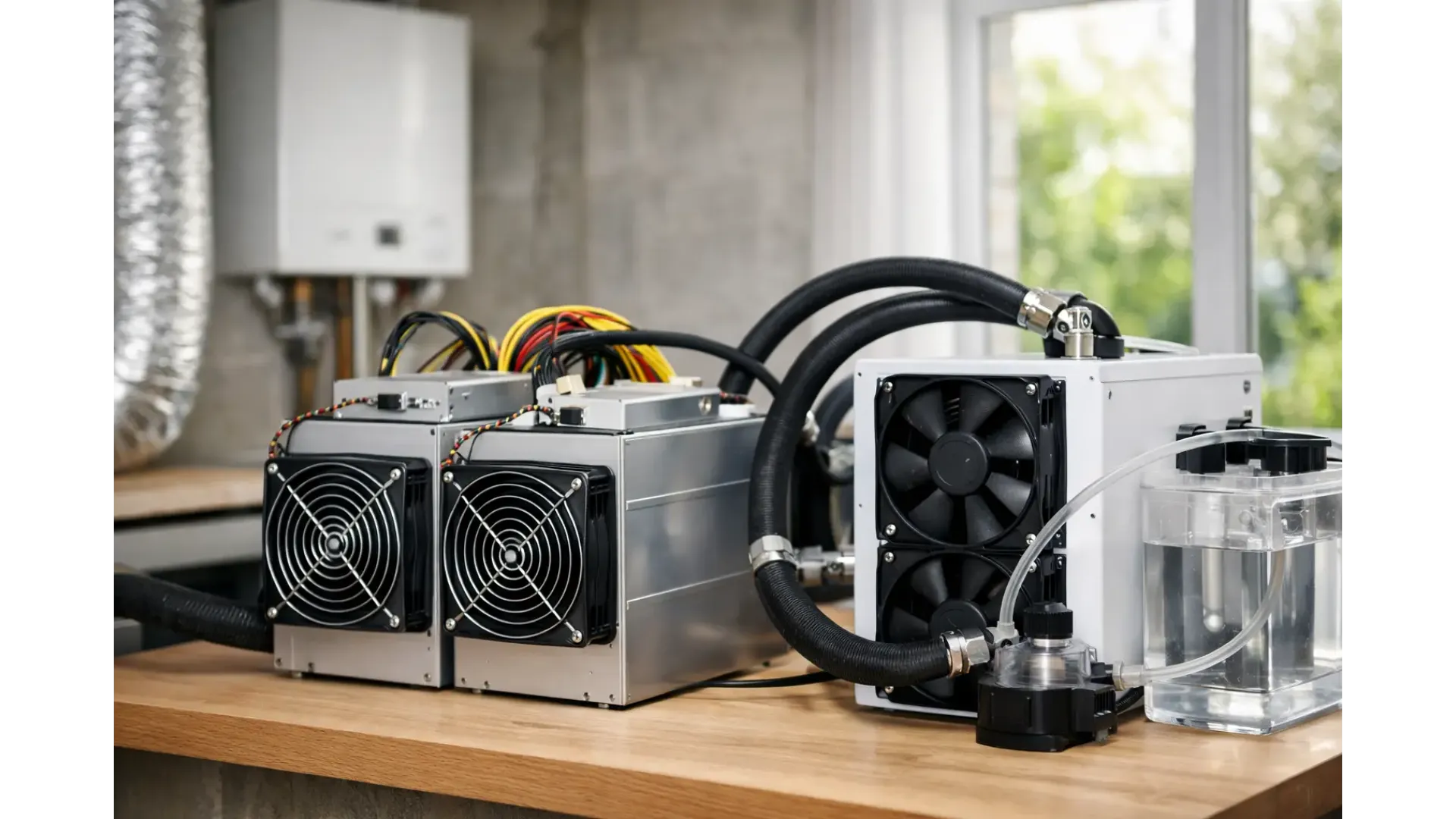
An ASIC miner can turn a spare room, garage or workshop into a serious heat source within minutes. A unit drawing 3 kW releases almost all of that energy as heat, while high-speed fans can create noise levels that are unsuitable for most living spaces. This ASIC miner cooling setup guide focuses on the practical decisions that protect hardware, reduce heat recirculation and make a home or small-scale installation easier to manage.
Cooling is not simply about making the room feel less warm. The goal is to supply the miner with cooler, clean air and remove its exhaust before that hot air returns to the intake. Get that airflow path right before adding extra fans, ducting or more machines.
Start with the miner's heat and airflow requirements
Check the manufacturer's specifications for power draw, operating temperature, airflow direction and permitted ambient conditions. These figures vary by model, but a modern full-size ASIC commonly draws between 2.5 kW and 4 kW. That is a substantial continuous load for both your electrical installation and the room.
A useful rule is that 1 kW of electrical power becomes roughly 3,412 BTU of heat per hour. A 3 kW miner therefore produces around 10,236 BTU per hour. This is comparable to running a powerful electric heater continuously, except the heat is concentrated in a fast-moving exhaust stream.
Most air-cooled miners pull air through one end and exhaust it from the other. Confirm the direction before positioning the unit. Reversing the intended airflow with ducting or external fans can reduce cooling performance and may put unnecessary strain on the built-in fans.
The ambient temperature around the intake matters more than the temperature at the far side of the room. If the miner pulls in 35°C air that has already passed through its own exhaust, fan speed and chip temperatures will climb quickly. The machine may reduce performance, report faults or shut down to protect itself.
Choose a location that can actually shed heat
For one small home miner, a utility room, insulated garage, shed or workshop may be workable if it has a clear route for incoming and outgoing air. Avoid cupboards, loft spaces with poor ventilation, bedrooms and enclosed under-stair areas. They trap heat, amplify noise and make inspection more difficult.
The best layout creates a simple path: cool air enters near the miner's intake, passes through the machine once, and exits outdoors or into a separate well-ventilated area. Keep the exhaust route short and direct. Every sharp bend, crushed duct or restrictive grille adds resistance that can reduce airflow.
A garage can be convenient, but it also introduces dust, moisture and seasonal temperature swings. In winter, cold dry air is usually favourable for air-cooled equipment, provided condensation is not allowed to form. In summer, a sealed garage may become hotter than the outdoor temperature and require active extraction.
A shed needs particular care. It should be weatherproof, dry and securely supplied with suitable electrical protection. Do not place a miner directly on a concrete floor where dust and damp can be drawn into the intake. Use a stable raised shelf or rack with clearance around both ends of the unit.
Separate intake air from exhaust air
Heat recirculation is the most common cooling mistake in compact setups. It happens when the miner exhausts hot air into the same space it uses for intake. Opening a door or window may help temporarily, but it is not a controlled solution when the weather changes.
Position the miner so its intake faces the coolest available air source. Direct the exhaust towards an external vent, window panel or dedicated duct run. If several miners share a room, arrange them in a row with all intakes facing the same cool-air side and all exhausts directed towards extraction. Do not point miners at one another.
For a basic single-miner installation, an exhaust shroud and correctly sized duct can be more effective than adding random room fans. The duct should be rated for the temperatures involved, held securely and checked regularly for loose connections. Avoid reducing duct diameter below the miner's exhaust opening unless the manufacturer or a proven accessory design supports it.
Build cooling around airflow, not just fan power
The ASIC's internal fans are designed to maintain airflow through the heatsinks. An external extractor can assist by removing hot air from the room or duct, but it must not create excessive backpressure. A fan that looks powerful on its box may perform poorly once connected to long ducting, filters and bends.
Measure the installation rather than relying on assumptions. Place a temperature sensor near the intake, not against the miner's casing. Check the exhaust temperature separately, along with the room temperature several feet away. A rising intake temperature over an hour or two usually indicates inadequate extraction or recirculation.
A sensible setup has enough fresh-air capacity for the installed heat load, without exposing equipment to rain, spray or unfiltered debris. In dusty locations, fit filtration on the intake side where practical. Filters protect heatsinks, but they also restrict airflow, so inspect and clean them on a schedule. A blocked filter can cause the same overheating symptoms as a blocked vent.
Portable air conditioning is sometimes considered for home mining, but it is often a poor match for full-size ASICs. A 3 kW miner can overwhelm a domestic unit, and a single-hose portable air conditioner may pull replacement warm air back into the room. It can be useful for modest heat loads or short periods, but extracting the ASIC's hot exhaust directly is normally more efficient.
Electrical capacity is part of the cooling plan
A miner that overheats may be blamed on ventilation when the real issue is unstable power or an overloaded circuit. Continuous loads require margin. Do not treat a 13 A UK socket as a universal answer for high-power mining equipment.
At 230 V, a 3 kW miner draws roughly 13 A before allowing for power supply variation, start-up behaviour or other appliances on the same circuit. Many full-size ASICs therefore need a dedicated circuit, appropriate socket arrangement and installation work completed by a qualified electrician. Check the miner's input-voltage requirements before ordering cables or power distribution equipment.
Avoid extension leads, multiway adaptors and coiled cable reels for a permanent high-load installation. Heat at a plug, discolouration, a loose connection or a burning smell requires immediate shutdown and inspection. Electrical faults and poor cooling often appear together because both are worsened by enclosed, hot environments.
If the setup includes extraction fans, account for their power draw as well. Put temperature monitoring and network equipment on a sensible arrangement, but do not create a complicated system that prevents the ASIC from being safely isolated when needed.
Control noise without choking the miner
High-performance ASIC fans are loud by design. Depending on the model and operating conditions, noise can exceed 70 dB. Acoustic foam on a wall will not solve the problem if the machine is in the same occupied room, and foam placed too close to the intake can shed fibres or restrict air.
A purpose-built sound-reducing enclosure can work, but only when it is engineered with adequate intake and exhaust capacity. The quieter the enclosure is intended to be, the more carefully its airflow route must be designed. Monitor intake temperature before and after fitting it. If temperatures or fan speeds rise sharply, the enclosure is too restrictive.
Ducting exhaust air outside can reduce perceived noise indoors because it moves the loudest airflow away from the room. Be considerate of neighbours, particularly in terraced housing. Exhaust outlets can transmit fan noise and warm air into shared boundaries, patios or nearby windows. Local nuisance rules still apply even where the mining equipment is operating safely.
Monitor the setup during the first week
Do not install a miner, check it once and assume the system is finished. The first week reveals how the space behaves through different outdoor temperatures and household activity. Review the miner's dashboard for chip temperatures, fan speeds, hash rate stability and hardware errors.
Check physical conditions daily at first: intake temperature, duct security, filter condition, unusual vibration and any warm plugs or cables. Record readings at similar times so changes are easier to spot. A gradual increase in fan speed can point to dust build-up, a restricted vent or warmer ambient air before a fault occurs.
Set clear limits for intervention. If the miner repeatedly reaches its upper operating temperature, reports fan faults or begins throttling, reduce the load and correct the airflow problem rather than trying to run through it. More hash rate is not useful if heat shortens component life or causes repeated downtime.
For buyers building their first dedicated setup, Ehasher can help match mining hardware and supporting equipment to the practical limits of a home or small-scale site. The right machine is only part of the purchase decision - its heat output, supply requirements and noise profile must suit the space available.
A well-cooled ASIC installation should feel controlled rather than improvised: cool intake air, a defined exhaust route, adequate electrical capacity and readings you can check without guesswork. Start with one machine, prove the airflow in real conditions, and only then consider expanding the operation.
Related Product
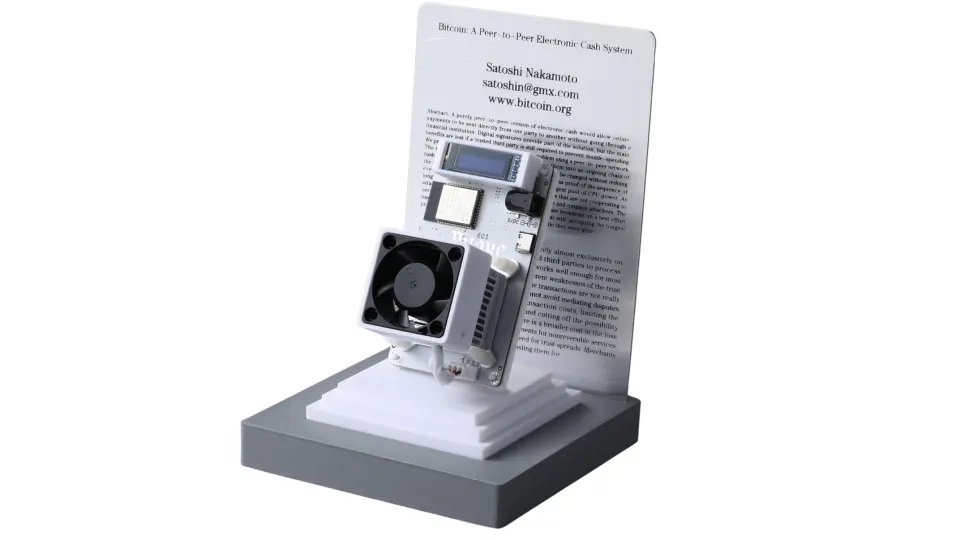
Bitaxe Gamma 601 White Solo Bitcoin Miner – 1.07 to 1.2TH/s 18W BM1370
The Bitaxe Gamma 601 is one of the most powerful open-source single-ASIC Bitcoin miners currently available. Designed for desktop use, the Gamma repre..
£61.95
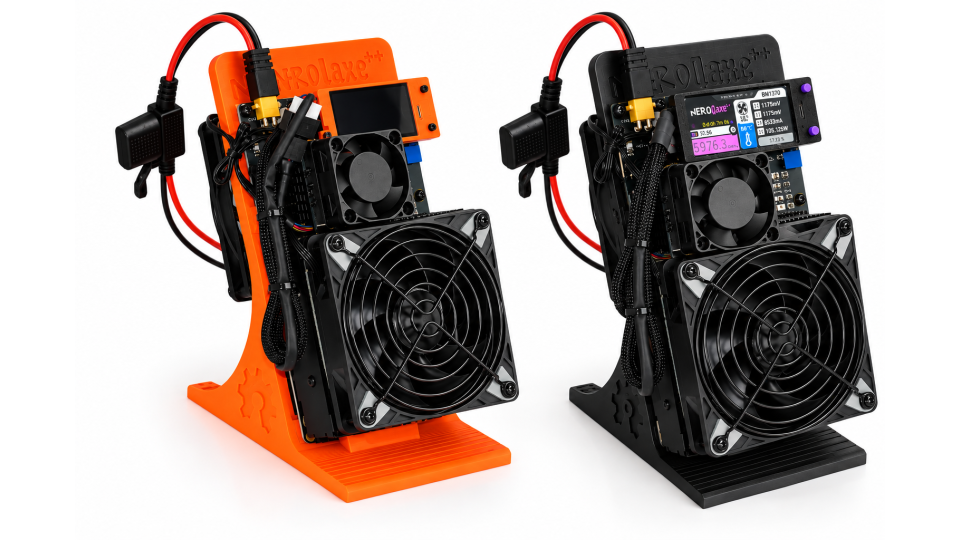
NerdQaxe++ Rev6.1 Bitcoin Miner 4.8 ~ 6TH/s
The NerdQaxe++ Rev6.1 is a compact and efficient open-source Bitcoin miner designed for home users, developers and crypto enthusiasts. This air-cooled..
£179.95