
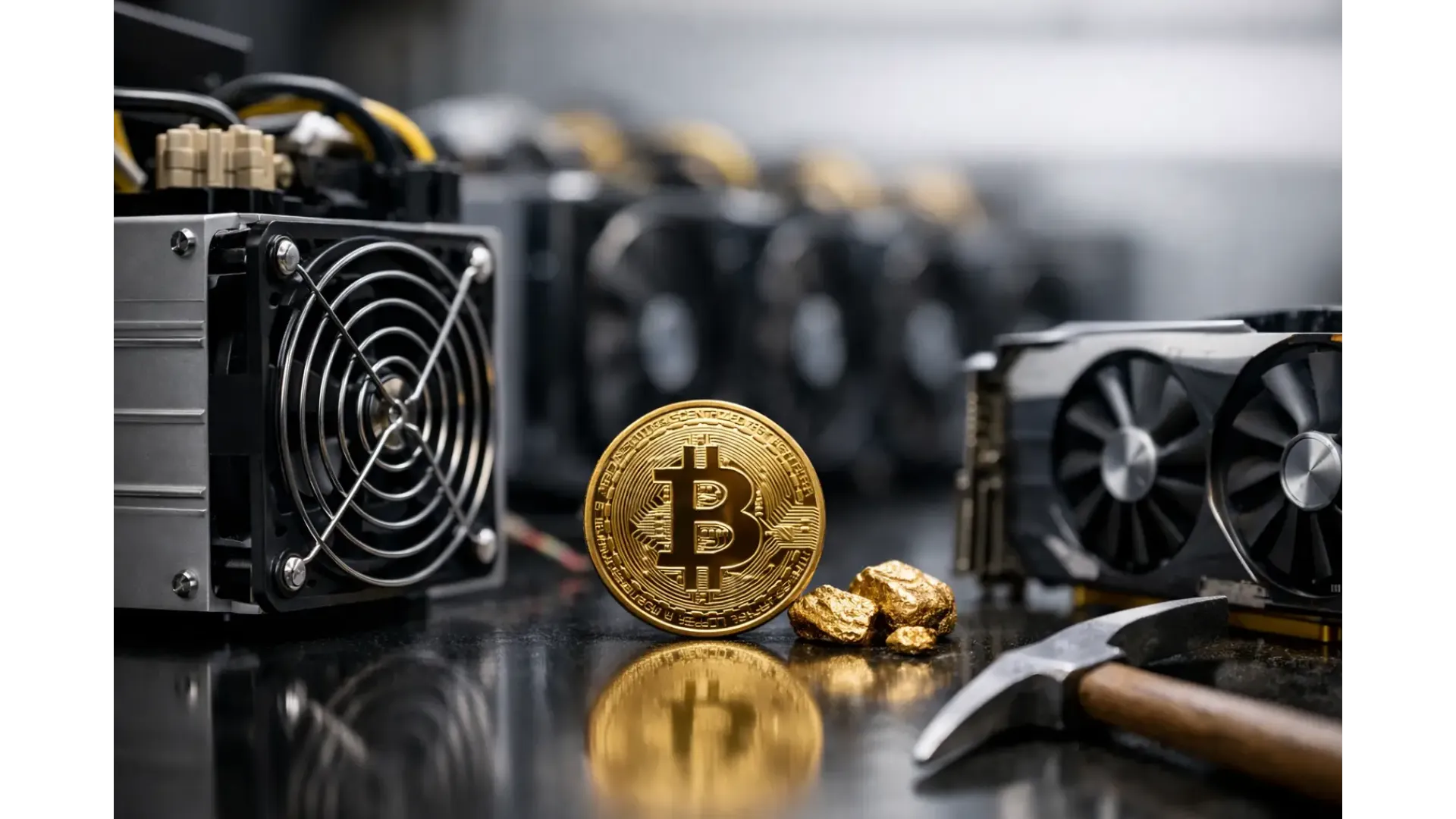
If you are comparing miners and keep seeing hashrate, power draw and ASIC model numbers, the real question is simpler: what is bitcoin mining hardware, and what does it actually do? In practical terms, bitcoin mining hardware is the specialised equipment built to perform the calculations that secure the Bitcoin network and compete for block rewards. It is not general-purpose computing kit. It is purpose-built machinery designed for one job - hashing efficiently.
For buyers, that distinction matters. The right hardware can mean the difference between a workable setup and an expensive unit that is noisy, inefficient or badly matched to your electricity costs and space.
What is bitcoin mining hardware in simple terms?
Bitcoin mining hardware is the physical machine used to run the SHA-256 hashing algorithm required by Bitcoin mining. Its task is to process huge numbers of guesses every second in order to find a valid block hash. When a miner or mining pool finds that valid result, the block is added to the blockchain and the reward is paid out according to the setup being used.
Years ago, people mined Bitcoin on CPUs and then GPUs. That period is over for serious Bitcoin mining. Modern Bitcoin mining is dominated by ASICs - Application-Specific Integrated Circuits. These chips are designed specifically for Bitcoin’s algorithm, which makes them far faster and more power-efficient than ordinary computer hardware.
So when most people ask what is bitcoin mining hardware, they are usually talking about ASIC miners, along with the supporting equipment needed to run them safely and reliably.
The main types of Bitcoin mining hardware
The market is not one-size-fits-all. Different hardware suits different budgets, expectations and operating environments.
ASIC miners
ASIC miners are the standard choice for anyone who wants meaningful Bitcoin hashrate. These machines are engineered for maximum output on SHA-256 and are used in everything from small home setups to industrial farms. A modern ASIC will usually include control boards, hash boards, cooling fans and an integrated power system or a compatible PSU requirement depending on the model.
This is the category most buyers should focus on if the goal is actual Bitcoin mining rather than experimentation.
Solo mining devices
Smaller solo mining units appeal to hobbyists who want a compact, lower-power way to participate. They typically produce far less hashrate than full ASIC systems, so the odds of finding a block are much lower. That said, they can still make sense for enthusiasts who value low power use, lower noise or the experience of running a personal setup.
They are not a substitute for a high-performance ASIC, but they are a genuine category with a different purpose.
Used and pre-owned hardware
Pre-owned ASIC miners can reduce upfront cost and improve access for buyers with a tighter budget. The trade-off is straightforward: older machines are often less efficient and may have more wear. Buying from a specialist retailer with clear condition notes, warranty terms and support is more important here than in almost any other category.
A used miner is not automatically poor value. It depends on the model, its efficiency and the electricity price where it will run.
How bitcoin mining hardware actually works
At the centre of the machine are ASIC chips. These chips repeatedly calculate hashes using slightly different inputs, trying to produce a result below the current network target. This process is what mining means at the hardware level.
The machine’s performance is measured in hashrate, usually in terahashes per second or petahashes at larger scale. Higher hashrate means more guesses per second. In general, that improves your share of mining output, but only if power consumption stays within reason.
That is why efficiency matters as much as raw speed. A machine producing strong hashrate with excessive electricity demand may be less viable than a newer unit with better joules-per-terahash performance. Mining hardware is not just about being fast. It is about being fast enough for the energy it consumes.
Cooling is another core part of operation. ASICs generate substantial heat under load, so airflow and fan performance are critical. If the unit cannot stay within safe temperatures, performance can drop and component lifespan can suffer.
The specifications that matter most
When evaluating mining hardware, buyers tend to focus first on hashrate. That makes sense, but it is only part of the picture.
Hashrate
Hashrate tells you how much computational work the machine can perform. More terahashes generally mean stronger mining capability. However, a headline hashrate figure on its own does not tell you whether a machine suits your setup.
Power consumption
Power draw is usually measured in watts. This directly affects running costs and also influences heat output, plug requirements and room suitability. A machine with high power demand may need electrical planning that a smaller home setup cannot provide safely.
Efficiency
Efficiency is often shown as joules per terahash. Lower is better. For many buyers, this is one of the most useful numbers because it shows how much energy is needed to produce a given amount of hashing work.
Noise and cooling design
Some ASIC miners are loud enough to be unsuitable for most domestic settings. If you are planning to mine at home, this point is not optional. Fan noise, ventilation requirements and ambient temperature all affect whether the machine can realistically operate where you want it.
Form factor and compatibility
Size, weight, PSU requirements, network connection and firmware support all matter. A miner that looks right on paper can still be awkward if it does not fit your power arrangement or available space.
What counts as supporting hardware?
When asking what is bitcoin mining hardware, it helps to include the surrounding equipment as well. The miner itself is the main component, but a reliable setup often includes a suitable power supply, network connection, cabling, ventilation planning and, in some cases, a mining pool node or controller.
For home or small-scale operators, pre-configured infrastructure can reduce setup time and avoid basic errors. That is one reason specialist product ranges matter. Buyers are not always looking for a bare machine. They often need a setup that will integrate cleanly into a real environment.
Choosing hardware for home mining
Home mining is where expectations need to be realistic. A large ASIC may be technically suitable for Bitcoin mining but practically unsuitable for a house or flat because of heat, fan noise and power demand. In that case, a smaller unit or lower-power device may be the better fit, even if the hashrate is modest.
The right choice depends on your electricity tariff, available ventilation, tolerance for noise and whether your goal is profit, learning or participation. A hobbyist in a spare room and a buyer setting up a dedicated outbuilding should not be shopping in exactly the same way.
This is also where direct support has real value. A specialist retailer such as Ehasher can help buyers narrow the field based on operating conditions, not just top-line specs.
Common misunderstandings about mining hardware
One common mistake is assuming any powerful computer can mine Bitcoin competitively. It cannot. For Bitcoin, ASICs are the standard because general computing hardware is no longer efficient enough.
Another misunderstanding is treating hashrate as the only number that matters. A miner with higher output but poor efficiency can become expensive to run very quickly. Likewise, a bargain-priced used unit may look attractive until you compare its power draw to a newer model.
There is also the assumption that buying the machine is the whole decision. In reality, power capacity, airflow, placement, networking and uptime all affect results. Hardware selection is partly about the machine and partly about the conditions around it.
Is bitcoin mining hardware worth buying?
That depends on what you want from it. If your objective is serious Bitcoin mining, purpose-built ASIC hardware is essential. If your objective is to learn, experiment or run a compact setup at home, smaller devices may still be worthwhile even if their output is limited.
The key is buying with the correct frame of reference. Mining hardware is not a general tech purchase. It is an operational tool with measurable inputs and outputs. The best purchase is usually the one that matches your power costs, space, noise tolerance and budget, rather than the unit with the biggest headline figure.
For anyone still asking what is bitcoin mining hardware, the short answer is this: it is specialised equipment built to mine Bitcoin efficiently, and the details of that efficiency are what separate a sensible purchase from the wrong one. Before choosing a model, check how it will run in the real conditions you have - because the best miner on paper still needs to make sense at the plug socket.
Related Product
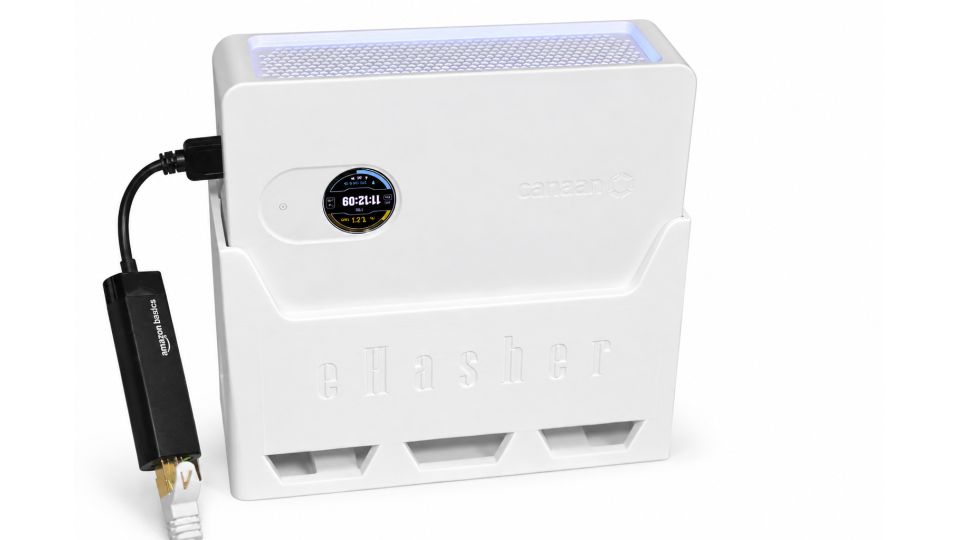
Canaan Avalon Nano 3S Home Bitcoin Miner – White – with Stand and Adapter
The Canaan Avalon Nano 3S in white is a compact, beginner-friendly Bitcoin miner designed specifically for home and desktop use. Combining stylish des..
£219.95
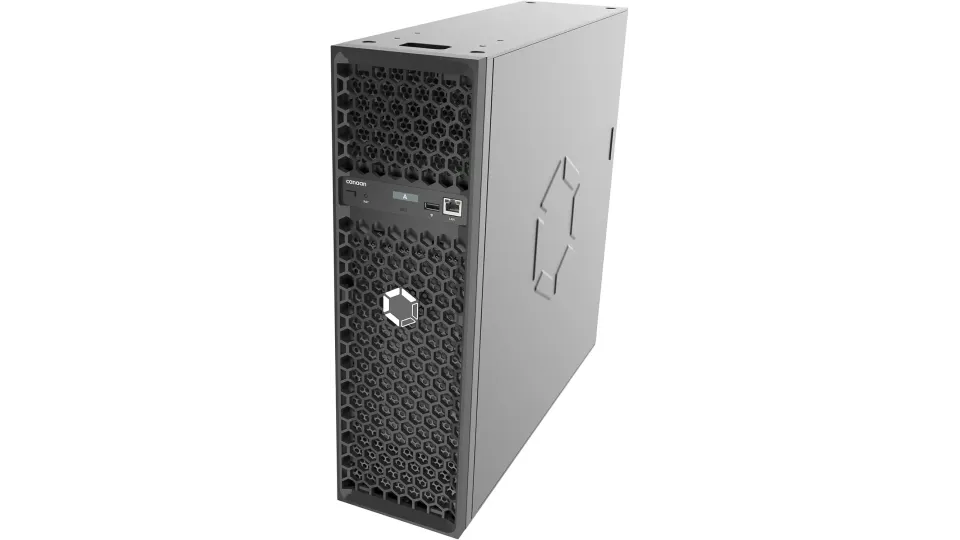
Canaan Avalon Q Home Bitcoin Miner – 90TH/s SHA-256 ASIC Miner – Quiet High-Performance BTC Mining
THIS ITEM SHIPS TO THE UK ONLY (DUE TO WEIGHT AND SIZE) The Canaan Avalon Q is a powerful yet home-friendly ASIC miner designed for efficient Bitco..
£1,289.95
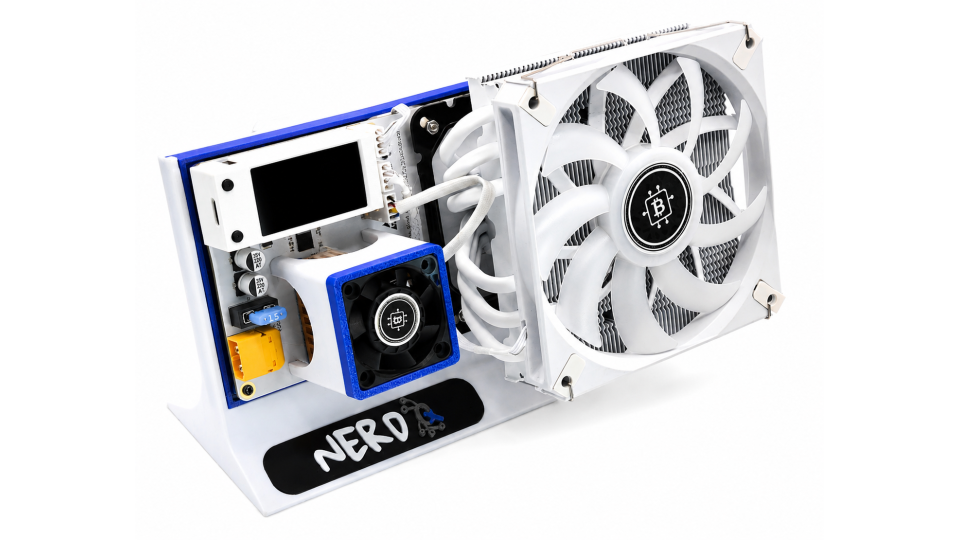
NerdQX White Bitcoin Solo Miner – 6.4–7.5 TH/s | eHasher Performance Edition
The NerdQX White Performance Edition is a compact, powerful and energy-efficient Bitcoin solo miner, individually tested and configured by eHasher Min..
£289.95
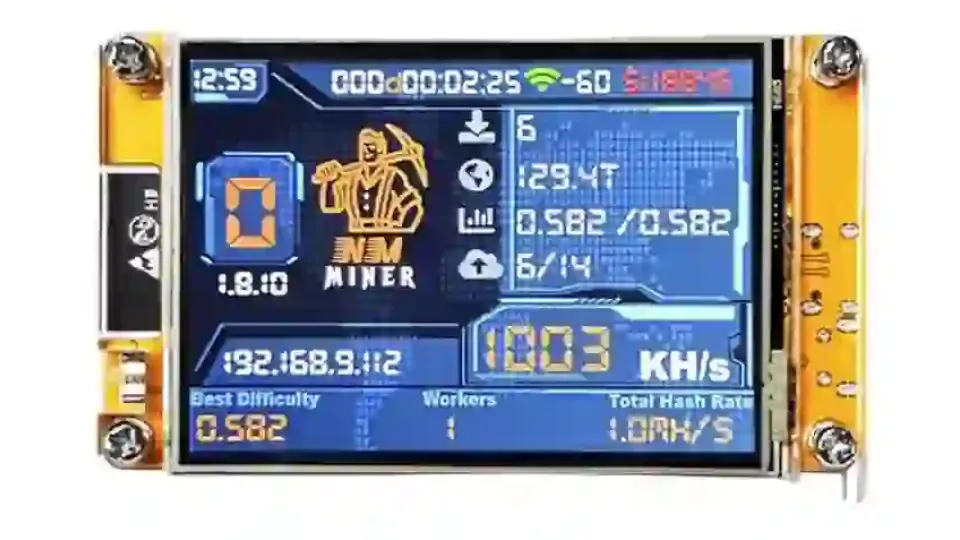
NmMiner V2 Home Bitcoin Miner – Quiet ESP32
The NmMiner V2 is a compact, standalone Bitcoin lottery miner designed for hobbyists, educators, and tech enthusiasts who want to explore real Bitcoin..
£17.95