

If you are asking what is bitcoin mining equipment called, the short answer is this: for Bitcoin, the main machine is usually called an ASIC miner. That is the term most buyers, suppliers and mining operators use when they mean dedicated hardware built specifically to mine Bitcoin. You may also hear broader terms such as mining rig, miner, mining machine or mining hardware, but in the current Bitcoin market, ASIC miner is the most accurate name.
That distinction matters because people often start with general search terms and end up comparing the wrong products. A graphics card mining rig, for example, is not the same thing as a Bitcoin ASIC. If you are buying equipment for Bitcoin rather than general crypto mining, using the correct term will save time and reduce expensive mistakes.
What is bitcoin mining equipment called in practice?
In practice, Bitcoin mining equipment is most commonly called an ASIC miner. ASIC stands for Application-Specific Integrated Circuit. In plain terms, that means the machine has been designed for one job rather than many. A laptop, desktop PC or graphics card can handle different tasks. An ASIC miner is built to perform the hashing calculations needed for Bitcoin mining as efficiently as possible.
You will still see sellers and users use other names. Some say Bitcoin miner. Some say mining rig. Some say ASIC machine or ASIC hardware. These phrases are often used interchangeably in online listings and discussions, but they are not always equally precise.
If someone says mining rig, they might mean a full setup that includes the miner, power supply, network connection, cabling and cooling arrangement. If they say ASIC miner, they usually mean the core machine itself. That difference becomes useful when you are buying accessories or planning a home setup.
The main names you will come across
The most useful term to know is ASIC miner, because that is the industry standard for modern Bitcoin mining hardware. These machines are purpose-built and far more efficient than older alternatives.
Bitcoin miner is the simpler plain-English version. It is easy to understand and often appears in product titles, but it is slightly broader. It could refer to almost any device that mines Bitcoin, including older or lower-power products.
Mining machine is another general term. It tends to appear in wholesale listings, product descriptions and support documentation. It is not wrong, but it tells you less about the device type.
Mining rig is broader still. In some cases, it refers to a complete operating setup rather than a single unit. In other cases, people use it casually as another word for miner. Context matters.
Then there is the term solo miner. This usually refers either to a compact Bitcoin mining device aimed at solo mining or to a machine being used in a solo mining setup. It does not mean the hardware is fundamentally different at chip level from all other miners. It usually describes the intended use case and hashrate class more than the underlying concept.
Why ASIC miner is the correct term for Bitcoin
Bitcoin mining moved away from CPUs and GPUs years ago because network difficulty increased to the point where general-purpose hardware stopped being commercially sensible. Today, if you are mining Bitcoin seriously, you are almost certainly using ASIC equipment.
That is why the question what is bitcoin mining equipment called has a clearer answer than it might have had in Bitcoin's early years. Back then, different hardware types were relevant. Now, the market is mature. If a buyer wants dedicated Bitcoin hardware, they are normally looking for an ASIC miner.
This is also why product categories in specialist mining shops are structured around ASIC units, home miners, solo miners, nodes and accessories rather than around general consumer computing parts. The equipment is specialised, and the terminology reflects that.
What people get wrong when naming mining hardware
The most common mistake is calling all crypto mining hardware a Bitcoin miner. That is understandable, but not always accurate. Some mining hardware is made for other algorithms and cannot mine Bitcoin at all. A GPU rig, for instance, may be useful for some cryptocurrencies, but it is not the right answer for Bitcoin mining.
Another common mix-up is confusing a miner with a node. A Bitcoin node validates and relays transactions and blocks across the network. A miner performs hashing work to try to discover a valid block. Some users run both, and some products are sold pre-configured to support mining operations, but they are not the same device.
There is also confusion around power supplies. Many buyers refer to the whole package as the miner, even when the power supply unit is separate. In casual speech that is fine. In product sourcing, it is better to be exact. A listing may include the ASIC only, or it may include the PSU, cables or networking extras.
Related equipment and what it is called
Once you move beyond the core machine, the naming becomes more varied. The power supply is usually called a PSU. Cooling may be described as fans, shrouds or aftermarket cooling accessories, depending on the setup. If the machine has been modified for quieter operation or indoor use, you may see terms such as home mining enclosure or silent mining case.
For connectivity, buyers may use simple terms like Ethernet cable or network switch, but in mining environments you may also see references to pool nodes or pre-installed mining nodes. These are support devices that help manage or improve the wider setup. They are not the miner itself, but they can be part of a complete mining system.
Used equipment is usually labelled pre-owned ASIC miner, refurbished miner or second-hand miner. Those terms matter because condition, warranty and expected lifespan can vary. A specialist retailer should make the status clear so the buyer knows whether the machine is new, used or reconditioned.
Does the name change for home mining?
Sometimes, yes. In home mining, buyers often search using practical terms rather than technical ones. They may look for home Bitcoin miner, quiet ASIC miner, small mining device or plug-and-play miner. These are still forms of mining equipment, but the naming reflects the environment in which the unit will be used.
That said, the underlying category is still usually ASIC mining hardware if the goal is Bitcoin mining. The added wording simply narrows the product by noise level, size, heat output or ease of setup.
This is one reason specialist stores separate full-size ASIC systems from smaller solo mining units and home-focused devices. A newcomer may only know they want something suitable for a spare room or office. An experienced miner may search directly by hashrate, power draw or chipset generation.
How to use the right term when buying
If you want the most accurate search term, use ASIC miner for Bitcoin. That will usually return the right category of hardware. If you are looking for a beginner-friendly option, add the use case - for example home ASIC miner or solo Bitcoin miner.
If you need a complete setup rather than just the machine, then mining rig can make sense, but check what is actually included. Some sellers mean the ASIC unit only. Others mean a bundle with PSU or accessories.
It is also worth checking whether the product is intended for solo mining, pool mining or node support. The names can overlap in marketing, but the function should be clear in the specification. Hashrate, power consumption, noise, dimensions and included components tell you more than the headline label alone.
For buyers in the UK, clear naming also helps with practical comparisons around delivery, warranty and returns. A dependable specialist retailer such as Ehasher will usually categorise machines in a way that matches how miners actually shop - by ASIC type, setup style and accessory needs rather than vague consumer-electronics language.
So what should you call it?
If you want the cleanest answer, call Bitcoin mining equipment an ASIC miner. That is the standard term for the dedicated hardware used to mine Bitcoin today. You can also use Bitcoin miner if you want a simpler phrase, but it is less specific.
If you are discussing the wider setup, mining rig may be appropriate, especially when you mean the machine plus supporting components. If you are shopping for quieter or smaller units, use home miner or solo miner as a filter, not as a replacement for the core hardware category.
Getting the name right is a small detail, but it makes product research much easier. When you search with the correct term, you are more likely to find hardware that matches your budget, power limits and mining goals rather than equipment built for a different job entirely.
The easiest way to think about it is this: Bitcoin mining today is specialised, so the language is specialised too. Start with ASIC miner, then narrow the search based on how and where you plan to run it.
Related Product
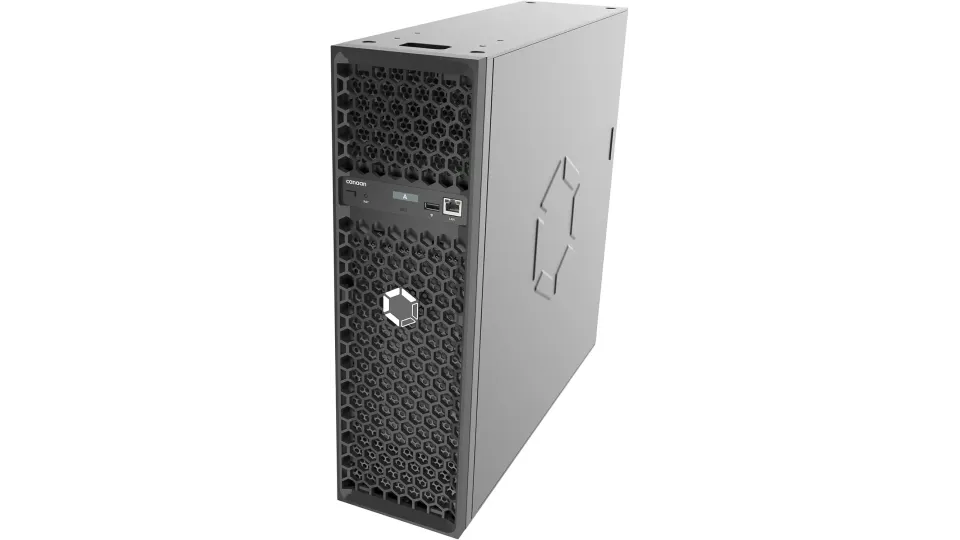
Canaan Avalon Q Home Bitcoin Miner – 90TH/s SHA-256 ASIC Miner – Quiet High-Performance BTC Mining
THIS ITEM SHIPS TO THE UK ONLY (DUE TO WEIGHT AND SIZE) The Canaan Avalon Q is a powerful yet home-friendly ASIC miner designed for efficient Bitco..
£1,289.95
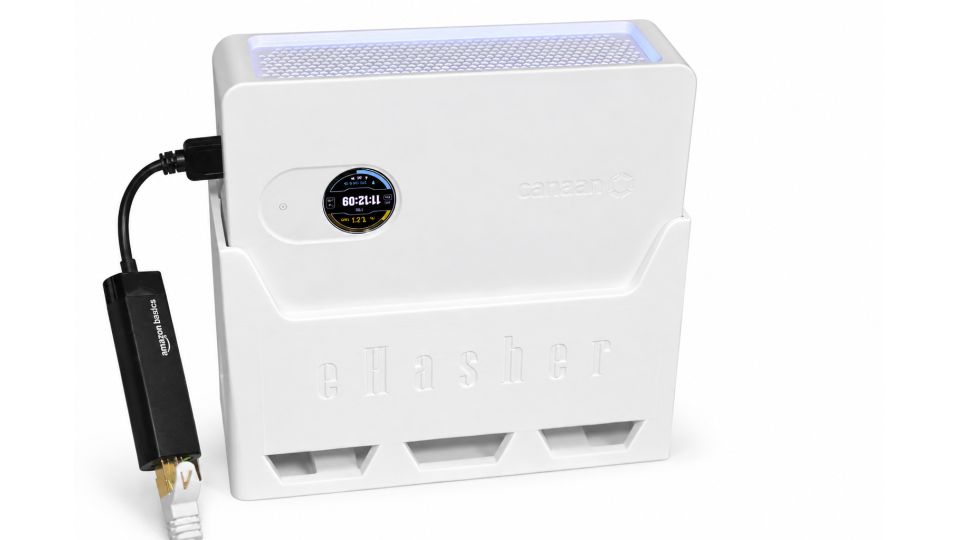
Canaan Avalon Nano 3S Home Bitcoin Miner – White – with Stand and Adapter
The Canaan Avalon Nano 3S in white is a compact, beginner-friendly Bitcoin miner designed specifically for home and desktop use. Combining stylish des..
£219.95