
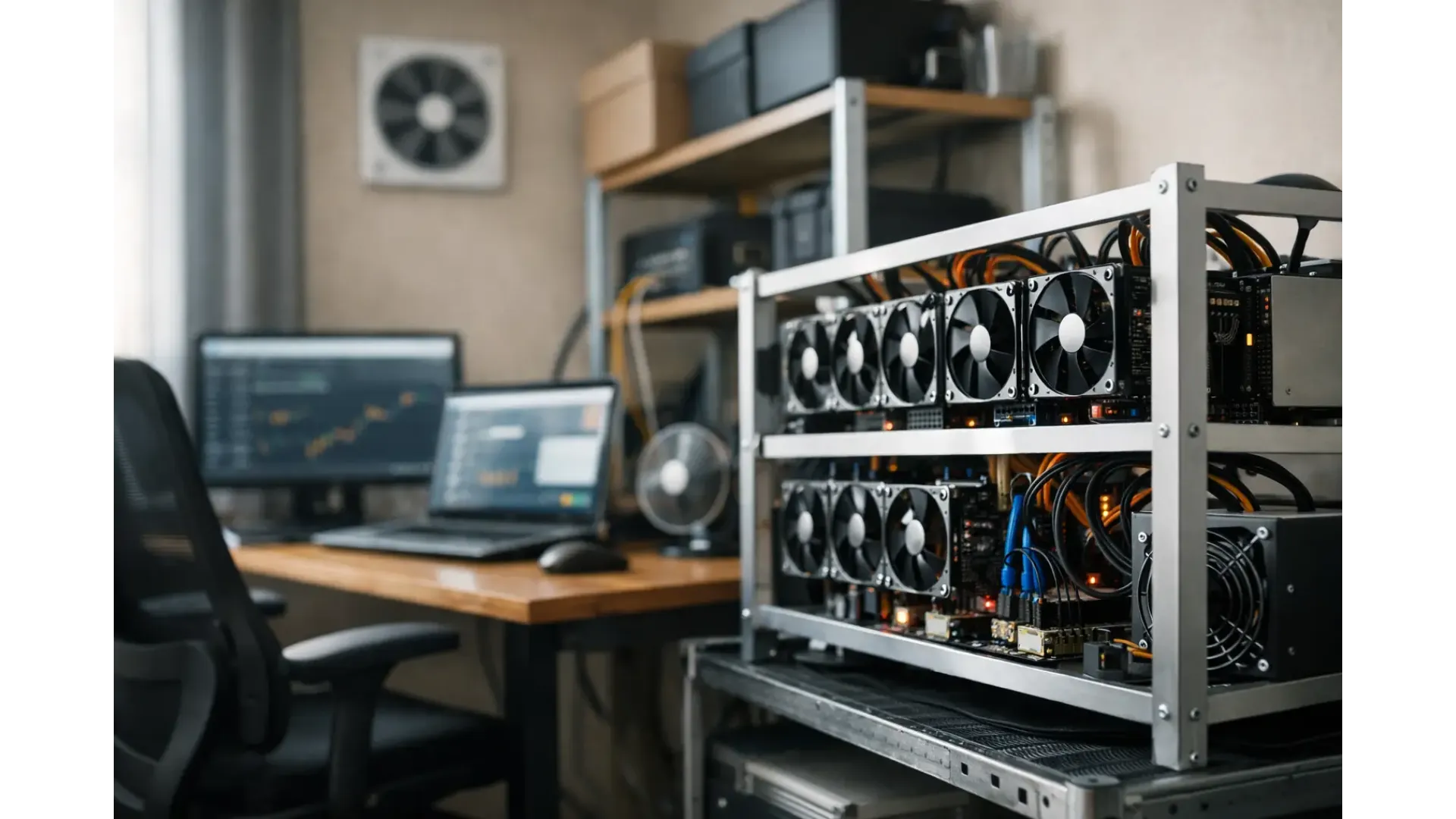
A spare box room can become a workable mining space, but only if the room is treated as infrastructure rather than somewhere to put a loud machine. This small room mining setup example is designed for a UK home miner running one ASIC, with enough planning to protect the property, avoid repeated thermal shutdowns and keep day-to-day management straightforward.
The key constraint is rarely floor space. It is power, followed closely by heat and noise. A compact room can hold a serious piece of mining hardware, but it cannot absorb its output without a clear route for electricity in and hot air out.
Start with the room, not the miner
Measure the room and identify its weak points before choosing hardware. A 2 m x 2.5 m box room with a closing door may look ideal because it is out of the way. In practice, a sealed room with one small window can overheat quickly if an ASIC runs continuously. A room near bedrooms may also make fan noise impossible to live with, even if the machine itself fits comfortably.
Choose a room with an external wall, a practical path for ventilation and as little shared living space as possible. A utility room, insulated garage or outbuilding is often easier to manage than a bedroom. If a spare room is the only option, place the miner away from soft furnishings, paper storage, clothing and curtains. These trap dust, restrict airflow and are not appropriate around high-output electrical equipment.
You should also check the broadband route. A wired Ethernet connection is preferable to relying on Wi-Fi through several walls. Mining traffic is light, but a stable connection makes monitoring and pool communication more dependable.
A practical small room mining setup example
For a single-machine installation, picture an ASIC miner on a steel shelf or workbench positioned close to a window or external-wall vent. The intake side faces the cleanest available air source. The exhaust side points directly towards a duct or extraction route, rather than blowing hot air across the room.
The miner is connected by a short, correctly rated power lead to a dedicated electrical circuit installed by a qualified electrician. Ethernet runs neatly along the wall to the router or a network switch. A temperature sensor sits at the miner intake, while another sits near the ceiling or exhaust area. This gives you useful information: the air entering the machine matters more than the room temperature displayed near the door.
Leave clear space around the unit. The manufacturer’s stated clearance is the minimum reference point, but more room is better where possible. Do not stack equipment on top of an ASIC or push it into a cupboard to hide the noise. Restricting airflow can raise component temperatures, increase fan speed and shorten the working life of the hardware.
For a home-focused miner, this arrangement is usually more sensible than trying to run multiple full-size ASICs in one room. Two or three machines may fit physically, but their combined electrical demand and heat output can turn a modest room into an expensive ventilation project.
Select hardware that matches the site
The most suitable miner depends on the room’s electrical capacity, ventilation and acceptable noise level. A full-size Bitcoin ASIC may draw several kilowatts continuously and produce fan noise comparable to industrial equipment. It can be viable at home, but only with proper electrical provision and active heat management.
Low-power solo mining devices offer a different experience. They are easier to accommodate, quieter and cheaper to run, but their hashrate is vastly lower. They suit people who enjoy the process of solo mining, learning about Bitcoin infrastructure or running a compact device alongside a node. They should not be confused with a substitute for a high-performance ASIC.
Pre-owned hardware can reduce the initial purchase cost, but check its condition, expected efficiency, warranty position and the availability of compatible power equipment. Older machines may be louder and consume more electricity for each unit of hashrate. In a small room, that efficiency gap becomes a heat and power issue as much as a profitability issue.
Design power provision properly
Never assume a normal domestic socket can safely support an ASIC simply because the plug fits. Continuous loads require careful calculation, and the circuit may already supply other rooms or appliances. A miner can run all day and night, unlike a kettle or vacuum cleaner used for a few minutes at a time.
Ask a qualified electrician to assess the existing consumer unit, circuit rating, cable run, protective devices and earthing arrangements. A dedicated circuit is often the appropriate route for a full-size ASIC. The electrician should specify the socket, isolator and protection required for the machine’s continuous demand and the installation environment.
Avoid extension leads, multi-way adaptors and coiled cable reels for high-load mining hardware. They create avoidable points of resistance and heat. Keep cables off the floor where possible, protected from accidental damage and easy to inspect. If the plug, socket or cable feels hot, switch the equipment off and investigate before restarting.
Electricity cost also needs a realistic calculation. Take the miner’s power draw in watts, divide by 1,000 to convert to kilowatts, then multiply by 24 and by your tariff. A 3,000 W miner uses about 72 kWh each day before allowing for any supporting extraction fan. This is why hashrate, efficiency and local tariff matter more than headline machine price alone.
Move heat out instead of circulating it
An ASIC does not create a little warmth. It produces a continuous stream of hot exhaust air. Opening a door may temporarily reduce the temperature, but it transfers the problem into the home and does little to control noise or dust.
The practical aim is a direct airflow path: cooler air enters at the miner intake, heated air leaves through an external route. Window panels with appropriately sized ducting can be useful for non-permanent installations, provided the assembly is secure and weather-conscious. Permanent wall vents may be neater, but should be planned carefully to avoid water ingress, backdraughts and excessive heat loss when the system is off.
Duct length, bends and diameter all affect resistance. Long, narrow, sharply bent ducting can restrict exhaust flow and make the miner work harder. Use ducting and fans rated for the heat and airflow involved, and ensure any inline fan is suitable for continuous operation. A domestic bathroom fan is unlikely to be adequate for a high-output ASIC setup.
Dust control matters too. Filter intake air where the arrangement allows, then inspect and clean filters regularly. Do not fit dense filters that starve the miner of air. In dusty homes, periodic inspection of heatsinks and fans is part of normal maintenance. Always follow the manufacturer’s cleaning guidance and disconnect power before working on equipment.
Treat noise as a design issue
Full-size ASIC fan noise travels through doors, floors, ducts and gaps around pipework. Acoustic foam on a wall will not solve a poor layout, and enclosing a machine in an improvised soundproof box commonly makes temperatures worse.
Start with location and airflow. Put the miner as far as practical from occupied rooms, use a solid door with suitable seals where ventilation design permits, and isolate vibration with a stable stand or anti-vibration feet. If ducting carries noise directly outside, consider an appropriate silencer section, but do not compromise airflow merely to reduce sound.
Immersion cooling can materially change the noise profile, but it is a specialist project involving compatible hardware, dielectric fluid, tanks, pumps and heat rejection. It may be worthwhile for experienced operators with several machines. For one home miner, disciplined air cooling is normally the simpler and more serviceable option.
Monitor the setup like equipment, not a hobby shelf
Once installed, check the miner’s hashrate, fan behaviour, inlet temperature, rejected shares and pool connection regularly. Configure alerts where the miner or management software supports them. A sudden drop in hashrate, persistent high temperatures or unusually high fan speeds deserves attention before it becomes downtime.
Keep a simple record of cleaning dates, firmware changes, pool settings and electrical checks. Firmware should come from the hardware manufacturer or a trusted source, and management interfaces should use strong unique passwords. Do not expose a miner’s control panel directly to the public internet.
Expect conditions to change with the seasons. A setup that is comfortable in January may struggle in a July heatwave, while winter intake air can improve temperatures but increase condensation risks around poorly planned vents. Test the system under realistic conditions rather than assuming a short first run proves it is ready for continuous operation.
A small room can support mining hardware when the installation is sized for the room rather than forced into it. Start with one properly powered, ventilated and monitored machine, then let measured temperatures, noise and electricity use decide whether expanding is genuinely practical. Ehasher customers who are unsure between a home miner and a full ASIC should assess the site first - the right hardware is the machine your room can run safely every day.
Related Product
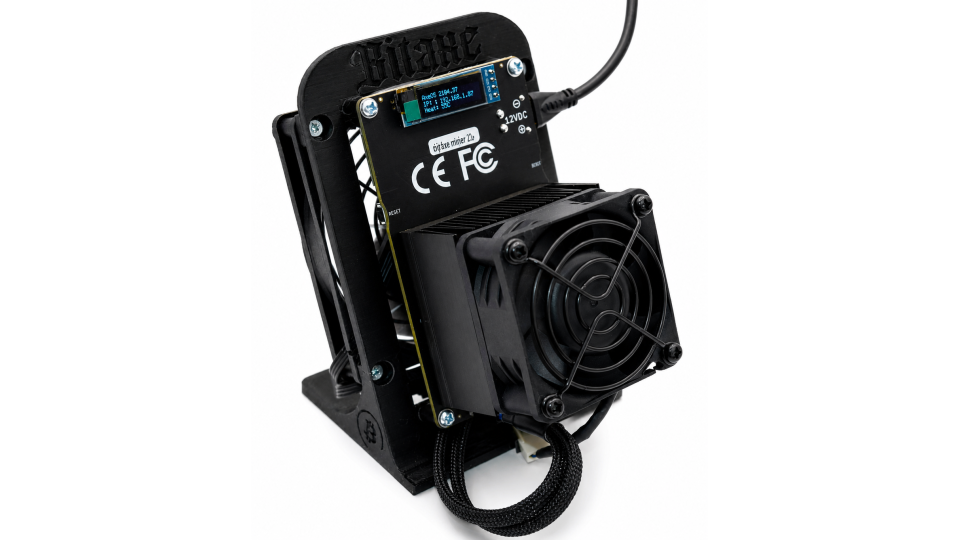
Bitaxe Gamma Turbo 801 Dual Home Bitcoin Miner – Double Fans – 2.07 to 2.4 TH/s
The Bitaxe GT 801 Dual With Fans Front and Rear is an upgraded compact Bitcoin miner built for home users, hobbyists, and crypto enthusiasts who ..
£114.95
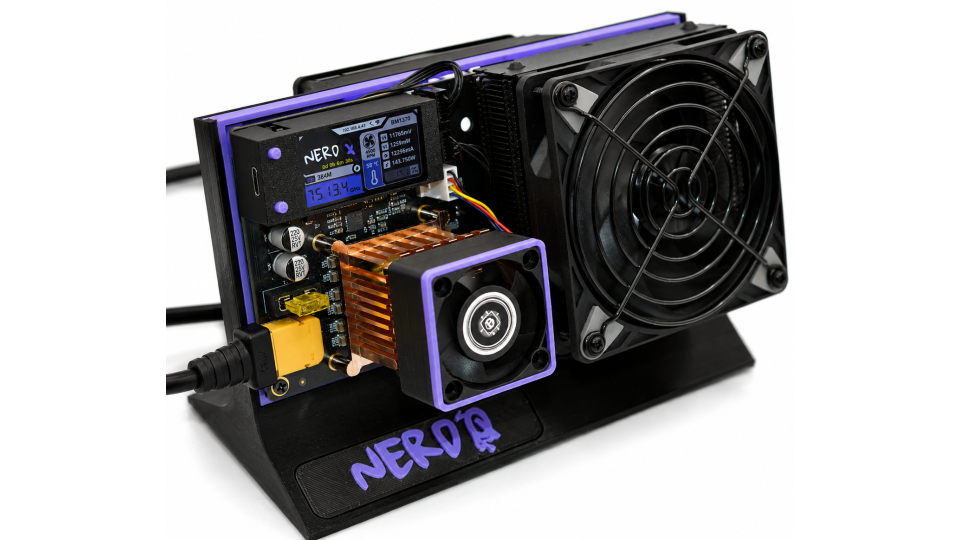
NerdQX Black & Lavender Bitcoin Miner | iX-Tech Full Copper Heatsink | BM1370 ASIC
The NerdQX Black & Lavender Edition with iXTech Full Copper VREG Heatsink Upgrade delivers a stable hashrate of 6.4 TH/s as standard, with overclo..
£289.95
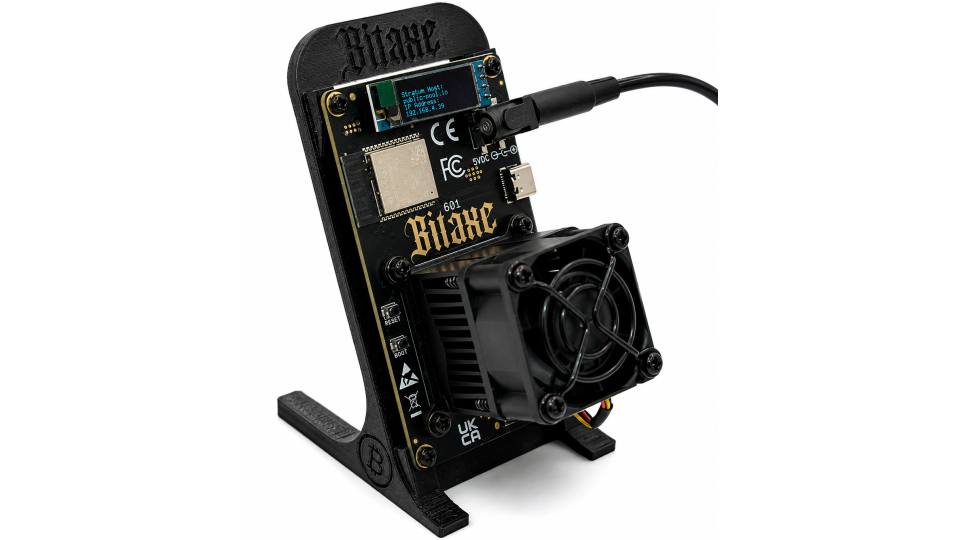
Bitaxe Gamma 601 Solo Bitcoin Miner – 1.07 to 1.2TH/s 18W BM1370
The Bitaxe Gamma 601 is one of the most powerful open-source single-ASIC Bitcoin miners currently available. Designed for desktop use, the Gamma repre..
£59.95