
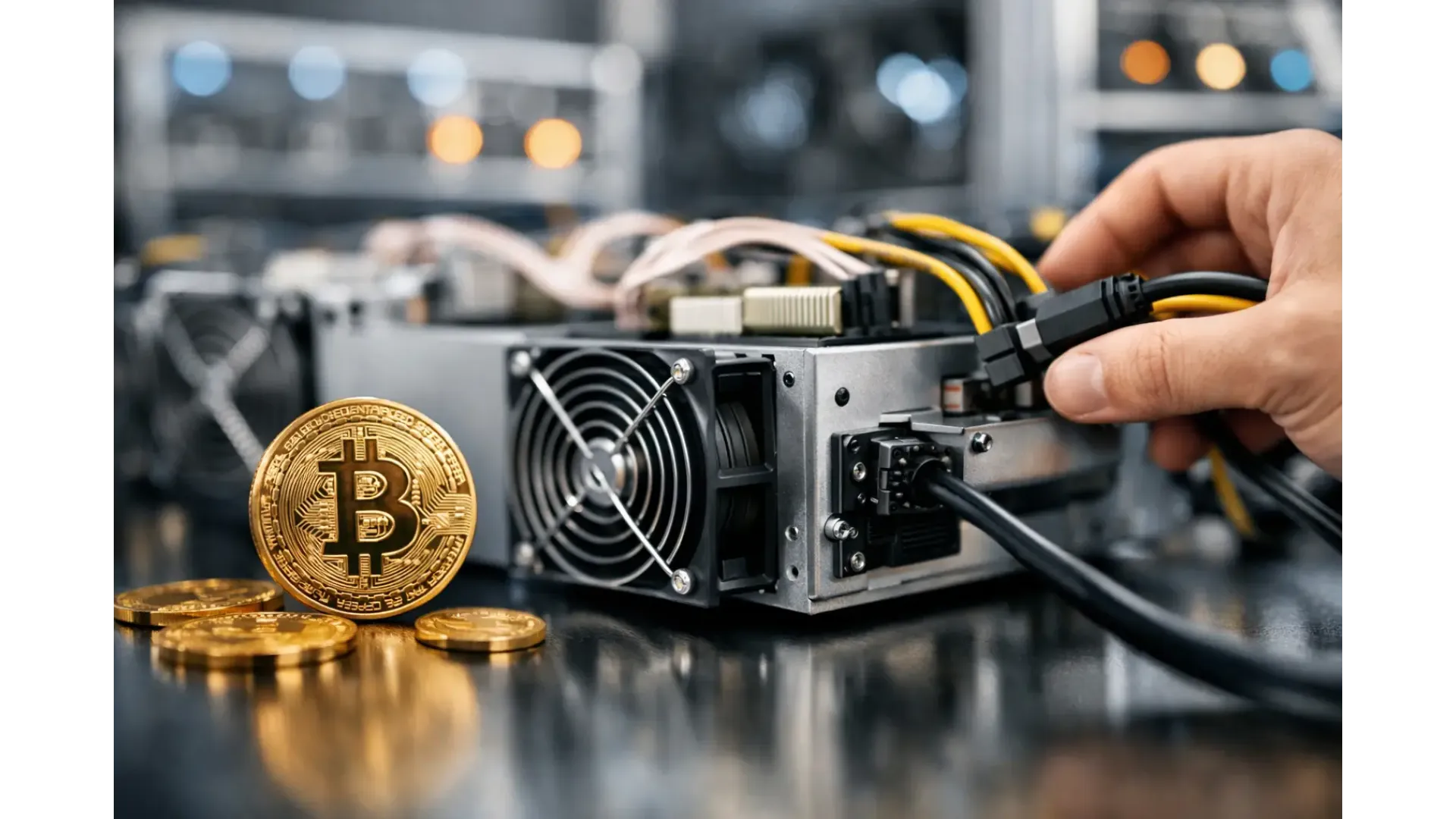
If you are searching for how to mine bitcoin using hardware, the main decision is not whether mining is possible - it is whether the equipment, electricity cost and setup conditions make sense for your budget. Bitcoin mining is no longer a casual CPU or graphics card activity. It is a specialist hardware purchase with clear performance, noise and power requirements.
For most buyers, the practical route is an ASIC miner. ASIC stands for application-specific integrated circuit, which means the machine is built for one job: mining Bitcoin using the SHA-256 algorithm. That specialisation is why ASICs outperform general-purpose hardware by a wide margin. It is also why buying the wrong unit, or buying without planning for power and cooling, becomes expensive very quickly.
How to mine bitcoin using hardware at home
Home mining can work, but only if you approach it like infrastructure rather than a gadget purchase. A mining unit draws sustained power, produces significant heat and, in many cases, creates industrial-level noise. Some smaller solo miners and low-power devices are more suitable for a home office or workshop, while full ASIC systems often need a garage, outbuilding or dedicated ventilated space.
The first step is matching the hardware to your environment. If you want quiet, low-consumption operation, a compact home miner or solo mining device may be the better fit. If your goal is higher hash rate and better production potential, you will be looking at larger ASIC miners, but those come with higher running costs and stricter installation requirements.
That trade-off matters. Many new buyers focus only on hashrate, but a machine that cannot be powered safely or cooled properly is the wrong machine, no matter how efficient it looks on paper.
Choose the right mining hardware
The correct hardware depends on three things: your electricity rate, your available space and your mining objective. If your objective is steady participation with more predictable payouts, a standard ASIC connected to a mining pool is usually the most practical option. If your objective is experimentation, learning or a lower-entry-cost setup, a small solo miner may be enough to start with.
When comparing hardware, pay attention to hashrate, power draw and efficiency. Hashrate tells you how much computational work the unit performs. Power draw tells you what it will consume continuously. Efficiency, usually measured as joules per terahash, shows how much electricity the machine needs to produce that work. Better efficiency can materially improve operating economics, especially in the UK where domestic electricity costs can be high.
Pre-owned hardware can make sense if the price is right and the seller is credible. However, older ASICs are often less efficient, so the lower purchase price may be offset by weaker long-term returns. Newer hardware usually costs more upfront but may hold up better if power costs are a major concern.
What you need before setup
Mining hardware does not operate in isolation. You will also need a suitable power arrangement, a network connection and a Bitcoin wallet to receive payouts. In some cases, you may need a dedicated power supply unit, depending on the miner you buy.
Power planning is where many setups fail. You must check the miner’s voltage requirements, plug type and total wattage draw before purchase. A unit that runs continuously at high load should not be treated like a standard household appliance. If you are unsure whether your circuit can support the load safely, speak to a qualified electrician.
Network requirements are simpler. Most ASIC miners connect by Ethernet rather than Wi-Fi because wired connections are more stable. You also need a mining account with a pool if you plan to pool mine, or the correct solo mining configuration if you are using a solo device.
Cooling and noise control are equally important. ASICs generate constant fan noise and heat output. If the room is poorly ventilated, performance can drop and component wear can increase. A cool, dry, dust-managed location is preferable.
Setting up the miner
Once the hardware is installed physically, setup is usually straightforward. Connect the miner to power, connect it to your network, then access its interface through your local network to configure it. From there, you enter your mining pool details, worker name and wallet or account settings as required.
Most machines provide a web-based management panel. In that panel, you can check hash rate, fan speed, temperatures and pool status. During the first few hours, monitor the unit closely. A machine that repeatedly drops offline, overheats or reports hardware errors may have a configuration issue, a power issue or an airflow problem.
If you are new to mining, pre-configured equipment can reduce setup time. That is particularly useful for buyers who want dedicated mining hardware without spending days on network configuration or troubleshooting. A specialist retailer such as Ehasher can also simplify product selection by grouping hardware around actual use cases rather than broad consumer categories.
Pool mining versus solo mining
This is one of the biggest decisions in how to mine bitcoin using hardware. Pool mining means joining a group of miners who combine their hashrate and share rewards based on contribution. Solo mining means you mine independently and only receive a reward if your own machine finds a valid block.
For most home users, pool mining is the realistic option. It produces smaller, more regular payouts and makes earnings easier to model. Solo mining is far less predictable. It can be attractive for enthusiasts using dedicated solo devices, but the probability of finding a block with limited hashrate is low.
Neither option is universally better. Pool mining suits buyers who want consistency and easier forecasting. Solo mining suits buyers who understand the odds and are comfortable with a high-variance approach.
Costs and profitability
The headline question is usually whether mining will be profitable. The honest answer is that it depends on several moving parts: hardware cost, electricity rate, network difficulty, Bitcoin price and mining pool fees.
Electricity is often the deciding factor. Even a strong ASIC can struggle to produce positive returns if the power cost is too high. That is why efficiency matters so much. A machine with a lower purchase price but poor power efficiency may be less attractive than a newer unit with better electrical performance.
You should also account for heat management, possible electrical work, replacement fans, downtime and general wear. Mining hardware is a working machine, not a passive investment product. It needs an environment that supports continuous operation.
Profitability also changes over time. A setup that looks viable this month may look weaker later if network difficulty rises or Bitcoin price falls. Equally, a machine that appears marginal today may improve if market conditions change. The best approach is to run the numbers conservatively and avoid assuming ideal conditions.
Common mistakes to avoid
The most common mistake is buying based on headline hashrate alone. Hashrate matters, but so do efficiency, voltage compatibility, room conditions and after-sales support. A miner that fits your actual site conditions is more useful than a larger model you cannot run properly.
Another mistake is underestimating noise. Many full ASIC miners are not suitable for a spare room or flat. If you share walls with neighbours, this becomes more than an inconvenience.
Poor airflow is another frequent issue. Warm intake air, blocked vents and dust build-up all reduce performance. A miner needs room to breathe. So does your power plan. Extension leads and overloaded sockets are not an acceptable long-term solution.
Finally, buyers sometimes expect instant returns. Mining is operational. It rewards correct hardware choice, stable uptime and disciplined cost control more than optimism.
Is Bitcoin mining hardware still worth buying?
For the right buyer, yes. If you want direct exposure to Bitcoin mining, prefer physical infrastructure over paper exposure and understand the operational side, dedicated hardware remains the correct tool. It is especially relevant for buyers who want control over their setup and can source equipment, accessories and support through a specialist channel.
For the wrong buyer, it becomes frustrating quickly. If you do not have suitable power, ventilation or tolerance for noise, a full ASIC miner may not be the right starting point. In that case, a smaller home mining device or a lower-commitment setup may be the better place to begin.
The practical way to approach mining is to treat hardware selection as the core decision. Once the machine, power environment and mining method align, the rest of the process is manageable. Buy for your actual constraints, not the biggest numbers on a spec sheet, and you will make better decisions from the start.
Related Product
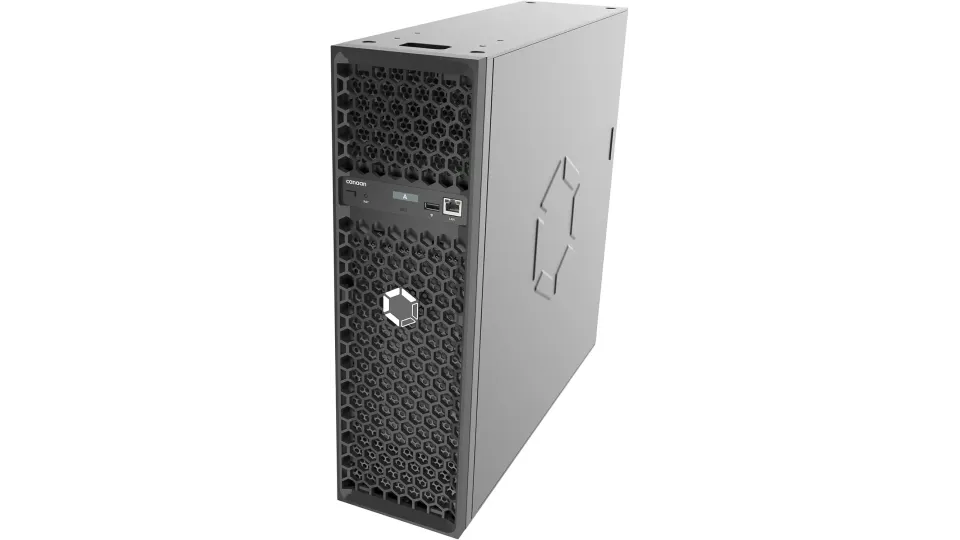
Canaan Avalon Q Home Bitcoin Miner – 90TH/s SHA-256 ASIC Miner – Quiet High-Performance BTC Mining
THIS ITEM SHIPS TO THE UK ONLY (DUE TO WEIGHT AND SIZE) The Canaan Avalon Q is a powerful yet home-friendly ASIC miner designed for efficient Bitco..
£1,289.95
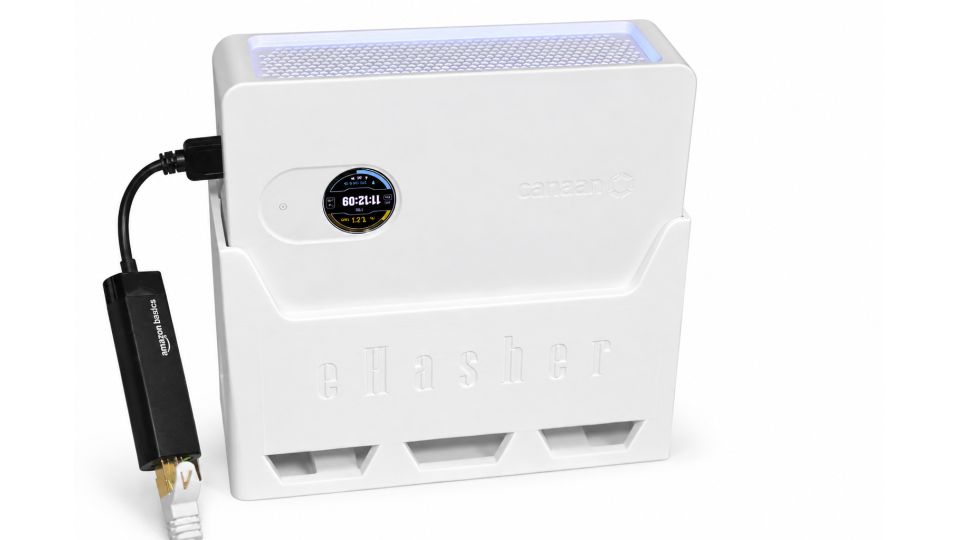
Canaan Avalon Nano 3S Home Bitcoin Miner – White – with Stand and Adapter
The Canaan Avalon Nano 3S in white is a compact, beginner-friendly Bitcoin miner designed specifically for home and desktop use. Combining stylish des..
£219.95