
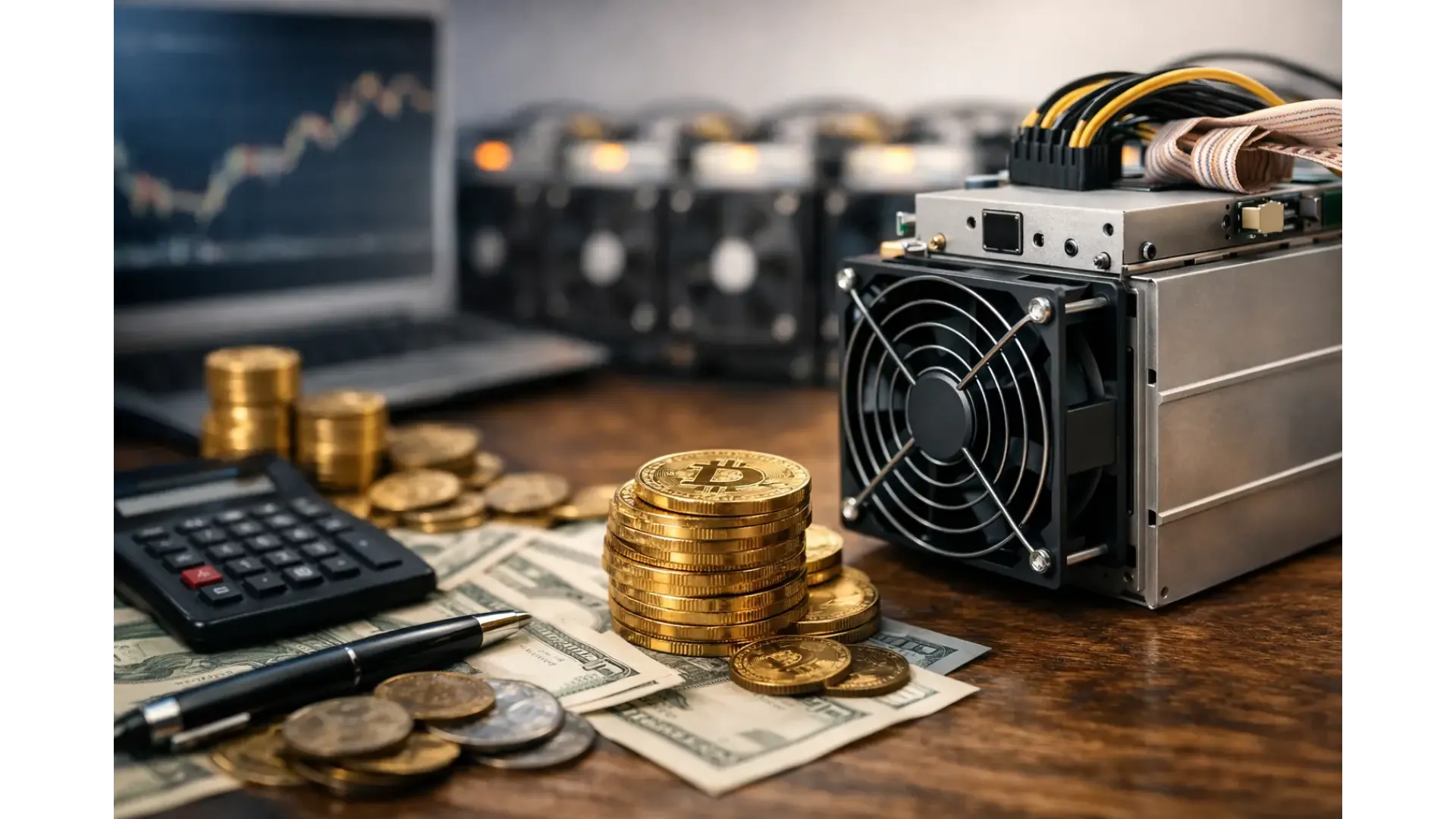
If you are pricing a miner for the first time, the headline figure rarely tells the full story. When people ask how much does bitcoin mining hardware cost, they are usually comparing one machine against another, but the real answer depends on hashrate, efficiency, noise level, form factor, power supply requirements, and whether you are buying new or pre-owned.
For a home user, the gap between an entry-level solo miner and a full ASIC can be substantial. For a small operator, the machine price may only be part of the budget once power infrastructure, cooling and delivery are considered. That is why it helps to look at bitcoin mining hardware in tiers rather than expecting one standard price.
How much does bitcoin mining hardware cost in practice?
In broad terms, bitcoin mining hardware can start at a few hundred pounds for small, low-power or specialist home devices and run into several thousand pounds for modern ASIC miners with competitive hashrate. Pre-owned units often sit somewhere in the middle, although their value depends heavily on condition, age, firmware support and remaining useful life.
A compact home mining or solo mining device may cost roughly £150 to £600. These products are usually aimed at learning, hobby mining, low-noise setups, or solo lottery-style mining rather than maximum output. They are more accessible from a cost standpoint, but they are not direct substitutes for full-size ASIC miners.
A current-generation ASIC miner typically lands in a much higher bracket. Expect around £1,500 to £5,000 or more depending on efficiency, brand, stock availability and market conditions. Premium units with stronger joules-per-terahash performance usually command higher prices because lower power consumption matters over the life of the machine.
Pre-owned ASICs can offer a lower entry point, often around £700 to £2,500, but there is more variation here than most buyers expect. Two units with the same model number can have very different value if one has been run in a clean, temperature-controlled environment and the other has seen hard continuous use.
Why the price of bitcoin mining hardware changes so quickly
Mining hardware is not priced like ordinary consumer electronics. A laptop model may drift down steadily over time. An ASIC miner does not behave that way because its value is tied not only to age and specification, but also to the economics of mining itself.
Bitcoin price affects demand. When the market strengthens, more buyers enter and hardware prices often rise. Network difficulty matters as well, because miners are effectively buying a tool that competes against the wider network. If difficulty increases sharply, older machines can lose value quickly unless electricity costs are especially favourable.
Manufacturing cycles also influence cost. When a major producer releases a more efficient generation, previous models may drop in price. That does not always make them poor buys. In some setups, a cheaper older unit with acceptable efficiency can still be viable, especially if the operator understands the power trade-off.
Stock location and import friction can also affect what you pay. Buyers in the UK often prefer dedicated suppliers with clear delivery, warranty and returns information because cheap pricing on paper can become less attractive once lead times, customs issues or support gaps appear.
The main cost tiers buyers should expect
Entry-level and home mining devices
This category is where many newcomers start. These units are usually compact, easier to place in a home environment and less demanding on power infrastructure. They may be suitable for learning the basics, experimenting with solo mining, or running a lower-noise setup in a spare room, office or workshop.
The lower upfront cost is the obvious advantage. The trade-off is performance. You are generally paying for accessibility, form factor and ease of use rather than industrial-scale output.
Mid-range pre-owned ASIC miners
Used hardware often appeals to buyers who want a proper ASIC without paying top-end new-unit prices. This can be a sensible route if the seller is transparent about the machine’s condition, test status and expected performance.
The risk is not just wear and tear. Fans, control boards, hash boards and power supplies can all affect long-term cost. A cheaper machine that needs parts or loses stability under load may not be cheap in practice.
New-generation ASIC miners
This is the category for buyers focused on stronger hashrate and better efficiency. These miners carry the highest upfront cost, but they may offer better economics over time if your electricity rate is competitive and you intend to run them consistently.
The key point is that efficiency often matters more than raw hashrate alone. A machine with a lower purchase price but weaker power performance can become more expensive to operate over its service life.
What is included in the hardware price, and what is not?
One of the most common buying mistakes is assuming the advertised hardware price covers a complete working setup. Sometimes it does. Often it does not.
Some miners are sold with integrated power supplies, while others require a separate PSU. In higher-powered setups, electrical planning matters as much as the miner itself. You may need suitable cabling, sockets, breakers or a dedicated circuit depending on the unit and your premises.
Noise management is another hidden cost. A serious ASIC miner is not a quiet desktop device. If you are mining at home, you may need ducting, fan control solutions or a better location for the machine. Heat extraction can also become a real consideration, particularly in smaller spaces.
Networking and management equipment should not be ignored either. Some buyers also budget for a mining pool node, pre-configured network gear or monitoring accessories to reduce setup time and simplify operation. On a specialist store such as Ehasher, these supporting products are part of the wider buying decision, not an afterthought.
New vs pre-owned: where the real value sits
New hardware offers clearer warranty coverage, predictable condition and the longest remaining service life. For many buyers, that lower risk justifies the higher initial spend. It is also easier to plan around if uptime matters.
Pre-owned hardware can still be good value, especially for technically capable users who understand testing, maintenance and acceptable wear. The important point is to treat used pricing as a risk-adjusted number, not just a discount. A bargain only works if the unit is stable, complete and realistically profitable for your setup.
If you are comparing new and used machines, ask practical questions. Is the hashrate consistent? Is the PSU included? Has the machine been tested before dispatch? Are there signs of corrosion, excessive dust exposure or repeated repair? These details affect cost more than a simple model comparison sheet.
How much should a beginner budget?
For a beginner in the UK, a sensible budget depends on whether the goal is learning, home mining, or pursuing stronger output from the start. If you want a lower-friction way to get familiar with mining hardware, a few hundred pounds may be enough for a small home or solo device.
If you want a true ASIC setup, it is more realistic to think in the low thousands once the machine and supporting equipment are included. For some buyers that means starting with pre-owned hardware. For others, it is worth waiting and buying a more efficient unit once rather than replacing a cheaper machine too soon.
The best budget question is not only what can I afford today, but what setup can I operate properly? A more expensive miner is not the better choice if your power arrangement, noise tolerance or ventilation cannot support it.
What to compare before you buy
Price matters, but it should sit alongside efficiency, condition, warranty, dispatch location and after-sales support. Hashrate on its own is not enough. Two miners at a similar price can produce very different results once electricity draw and stability are factored in.
For home users, form factor and noise can be decisive. For experienced buyers, board health, PSU inclusion and firmware options may matter more. For anyone buying across price tiers, clear delivery and returns information reduces avoidable risk.
A good purchase is usually the one that fits your operating environment, not the one with the most dramatic specification sheet. That is especially true in mining, where the wrong machine can be expensive before it ever hashes a block.
If you are weighing up how much does bitcoin mining hardware cost, treat the machine price as the starting point rather than the full answer. The smarter approach is to cost the setup you can actually run, support and maintain. That usually leads to a better buying decision than chasing the lowest number on the page.
Related Product
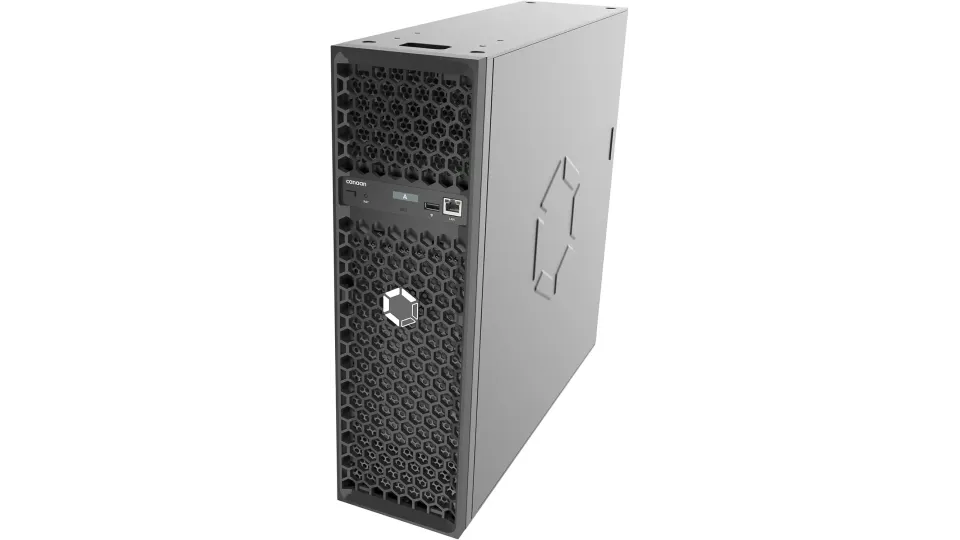
Canaan Avalon Q Home Bitcoin Miner – 90TH/s SHA-256 ASIC Miner – Quiet High-Performance BTC Mining
THIS ITEM SHIPS TO THE UK ONLY (DUE TO WEIGHT AND SIZE) The Canaan Avalon Q is a powerful yet home-friendly ASIC miner designed for efficient Bitco..
£1,289.95
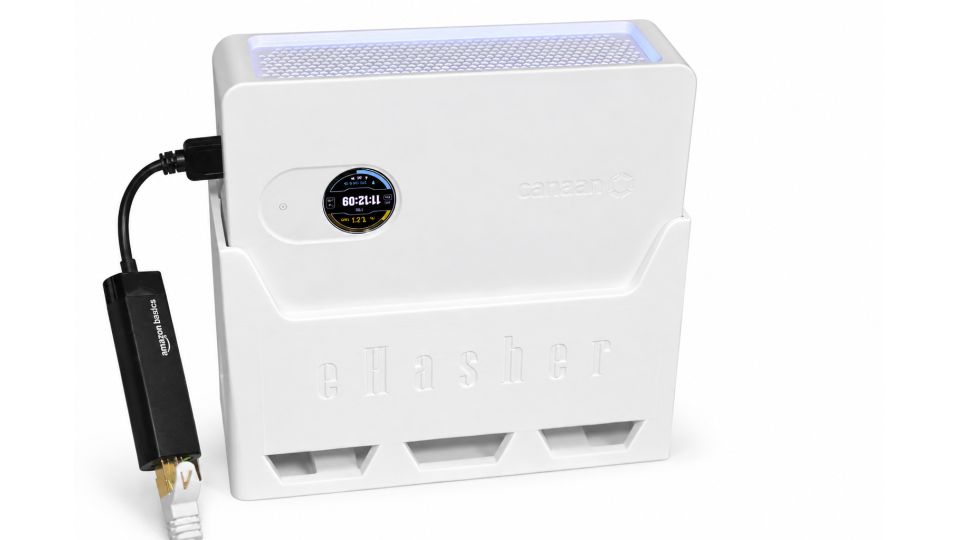
Canaan Avalon Nano 3S Home Bitcoin Miner – White – with Stand and Adapter
The Canaan Avalon Nano 3S in white is a compact, beginner-friendly Bitcoin miner designed specifically for home and desktop use. Combining stylish des..
£219.95