
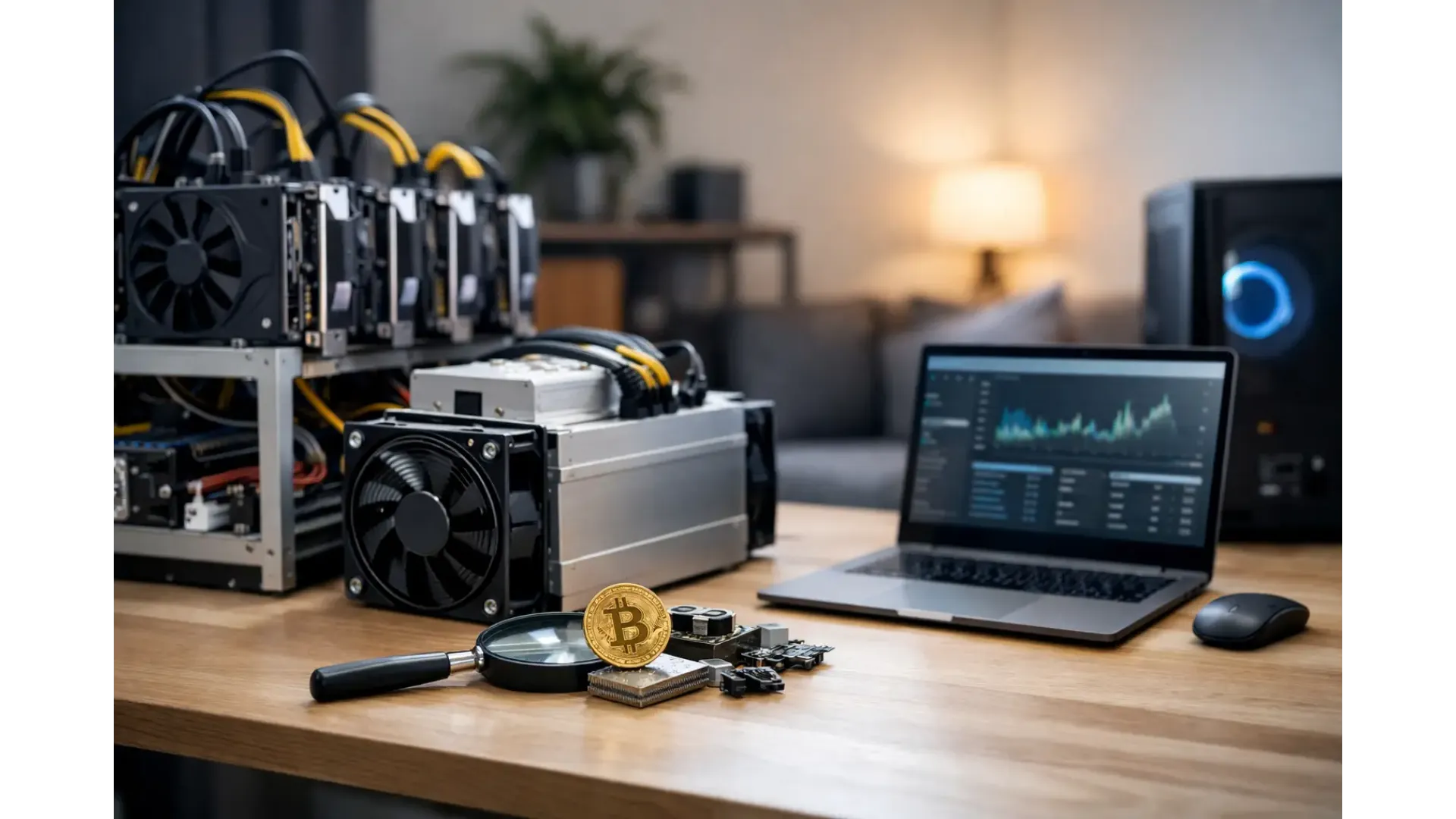
The wrong machine is rarely the biggest problem in home mining. More often, it is the room, the noise, the heat output, or a power setup that looked fine on paper and becomes expensive after a week of real use. That is why any guide to home mining equipment should start with the environment first, then the miner.
For most buyers, home mining means working within limits. You may have a spare room, a garage, a utility area or a small outbuilding. Each option changes what equipment makes sense. A powerful ASIC can be technically suitable for Bitcoin mining but completely unsuitable for a typical indoor domestic setting if noise and ventilation are not handled properly. On the other hand, lower-power or compact devices can be easier to live with, but they come with very different expectations around output.
What home mining equipment actually includes
When people say home mining equipment, they often mean the miner itself. In practice, a usable setup includes several parts that need to work together reliably. The core device may be an ASIC miner, a compact solo miner, or a smaller specialist unit designed for low-power operation. Around that, you need a suitable power arrangement, stable network access, ventilation, and in many cases some form of noise control.
For Bitcoin mining at home, ASIC hardware is the main category buyers look at because it is purpose-built for SHA-256 mining. General-purpose consumer hardware is not the realistic route for current Bitcoin mining. The real choice is between larger ASIC systems designed for higher output and smaller home-oriented devices that are easier to place and manage.
There is also a separate category of supporting infrastructure. That can include mining pool nodes, pre-configured node devices, replacement power supplies, cables, network accessories and monitoring tools. These are not optional extras in the casual sense. They affect setup time, stability and how much troubleshooting you need to do later.
Choosing the right miner for your space
The best miner for a house is not automatically the most powerful one you can afford. A more useful question is whether the machine fits your power availability, tolerance for noise, and ability to move heat out of the room.
A full-size ASIC offers the strongest performance potential, but it usually brings industrial-style fan noise and significant heat. In a warehouse or dedicated external space, that may be manageable. In a semi-detached house, it can become a daily nuisance very quickly. Buyers sometimes underestimate this because the specification sheet focuses on hashrate and power draw, not on what the machine sounds like at full load in a real room.
Compact solo miners and lower-power home units sit at the other end of the range. They are easier to install, easier to place on a desk or shelf, and far less demanding electrically. The trade-off is simple: lower output, different use cases, and in some cases a stronger appeal for enthusiasts who value participation, experimentation or solo mining interest more than pure production scale.
This is where expectations matter. If your goal is to run a quiet, compact setup in a domestic room, your equipment choices narrow. If your goal is maximum hashrate and you have a garage with proper ventilation and suitable electrical capacity, the range widens.
Power is where many setups succeed or fail
Any practical guide to home mining equipment has to treat power as a first-order decision. Before choosing a miner, check the available circuit capacity, plug type, and the continuous load you can run safely. Do not assume that because a socket exists, it is suitable for mining hardware running for long periods.
Larger ASIC miners can require power arrangements beyond what a casual home office setup can support. Even where the hardware can technically be connected, the safer question is whether that circuit should be dedicated and whether the room is prepared for sustained load. If you are unsure, a qualified electrician is the right place to start, not online guesswork.
Efficiency also matters. Two machines with similar headline output can differ materially in operating cost depending on power consumption and performance per watt. In the UK, electricity pricing makes this especially relevant. A cheaper machine upfront can be less attractive if it is notably less efficient. Pre-owned hardware can still make sense, but only if the purchase price, condition and expected running cost line up with your goals.
Noise and heat are not side issues
For domestic buyers, noise and heat are often the deciding factors. High-performance ASICs are designed to move air aggressively. That means fan noise that most people would not want in a living area, bedroom or standard home office. Even a garage setup needs thought if the space shares walls with the house or neighbours.
Heat is equally important. Mining hardware converts a large amount of electrical energy into heat, and that heat has to go somewhere. In winter, some users do not mind this. In warmer months, or in smaller rooms, it can make the space impractical. Without proper airflow, the miner may run hotter, louder or less efficiently.
This does not mean home mining is unrealistic. It means equipment needs to match the site. Some buyers are better served by a smaller, quieter setup they can run consistently rather than a larger machine that creates immediate placement problems.
Network and control requirements
Mining hardware does not need a complicated home network, but it does need a stable one. Wired Ethernet is usually preferable to a marginal wireless connection. Packet loss, unstable routing or poor local network organisation can create avoidable interruptions.
There is also the management side. Some buyers want a simple plug-in setup that starts with minimal configuration. Others want more control, including monitoring performance, connecting to specific pools or integrating with a broader node setup. Pre-configured mining pool nodes and ready-to-run supporting devices can reduce friction for buyers who want dedicated infrastructure without building everything from scratch.
That convenience has value. Not every home miner wants to spend evenings troubleshooting software, firmware settings and network edge cases. For many, reliable operation matters more than a fully bespoke setup.
New, pre-owned and entry-level options
Budget affects more than just how much power you can buy. It changes your risk profile. New hardware typically offers clearer warranty coverage, more predictable condition and fewer immediate maintenance concerns. That is often the safer choice for first-time buyers who want straightforward deployment.
Pre-owned miners can be attractive where cost efficiency is the main priority. The trade-off is that prior usage, wear on fans or power components, and remaining service life become part of the calculation. Buying from a specialist retailer rather than a generic marketplace reduces some of that uncertainty because product grading, support and returns policies are clearer.
Entry-level devices deserve a separate mention. They are not simply smaller versions of large ASICs. In many cases they serve a different type of buyer - someone learning the basics, experimenting with home setups, or specifically interested in compact solo mining hardware. That does not make them lesser products. It makes them better matched to a different brief.
How to assess a machine before you buy
Specification pages are useful, but they do not tell the whole story. Start with hashrate and power draw, then immediately test those figures against your site. Can your space handle the heat? Can your power setup support the load? Is the noise level acceptable where the machine will live?
Then look at practical buying factors. Warranty terms, delivery times, returns process, and access to direct support all matter. Mining buyers are not purchasing a generic gadget. They are buying specialist equipment that may need setup guidance or fault handling. A retailer that understands the category is often worth more than a marginal price difference.
It is also worth asking what else you need on day one. Some setups require additional cables, a suitable power supply, network accessories or mounting considerations. A good purchase is not only about the miner arriving quickly. It is about receiving the equipment needed to make the setup workable without delay.
A realistic guide to home mining equipment for first-time buyers
If you are buying your first machine, the safest route is usually to avoid overbuilding. Choose equipment that your home can support comfortably, not equipment that forces immediate compromises on power, ventilation and noise. A smaller but properly housed setup is usually easier to run, easier to monitor and less likely to become a regret purchase.
For more experienced users, the calculation can be broader. You may already know your available circuits, have an external space prepared, and be comfortable with dedicated networking or node infrastructure. In that case, scaling into stronger ASIC hardware may be entirely reasonable. The point is not that one category is better than another. It is that home mining only works well when the equipment matches the site and the operator.
That is also where a specialist supplier earns its place. A focused retailer such as Ehasher can make the process clearer because the product range is built around mining use cases rather than general electronics. That helps when you are comparing compact home units, full ASIC systems, accessories and support options within the same buying path.
The best home mining setup is rarely the most ambitious one on the first attempt. It is the one you can power safely, cool properly, tolerate daily, and keep running with confidence.
Related Product
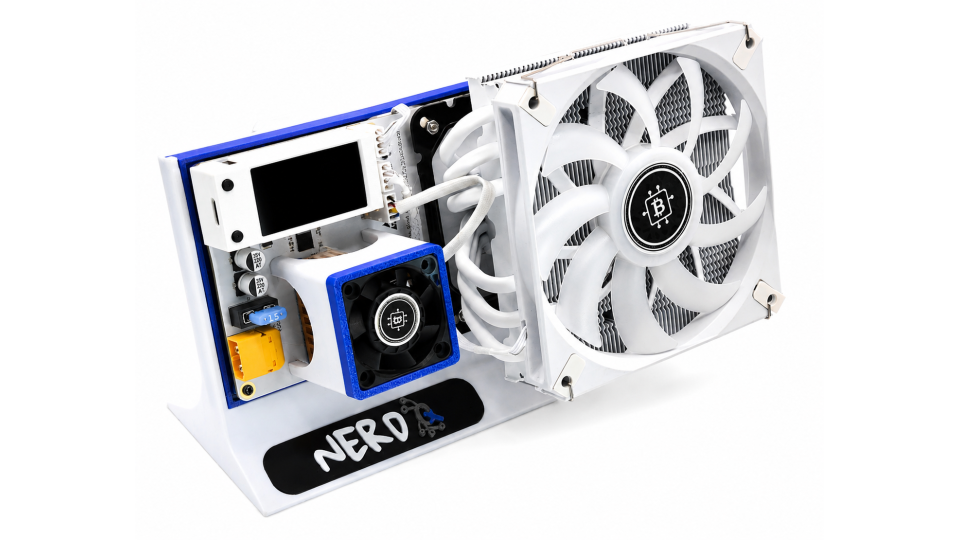
NerdQX White Bitcoin Solo Miner – 6.4 ~ 8.1 TH/s
The NerdQX in white is a compact and powerful home Bitcoin miner designed for enthusiasts, hobby miners, and anyone interested in running their own mi..
£289.95
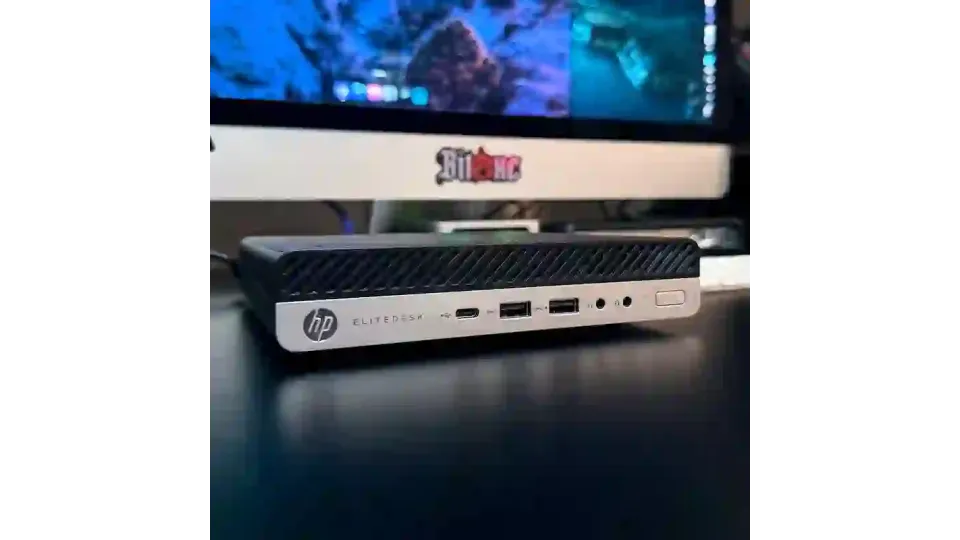
HP EliteDesk 800 G3 Mini PC – i5-7500T 16GB 1TB NVMe – 5tratumOS Multi-Chain Node
🏖️ HOLIDAY NOTICE Please note that eHasher will be taking a short break from 5pm Wednesday 2 September until 9am Tuesday 15 September 2026 (UK t..
£329.95
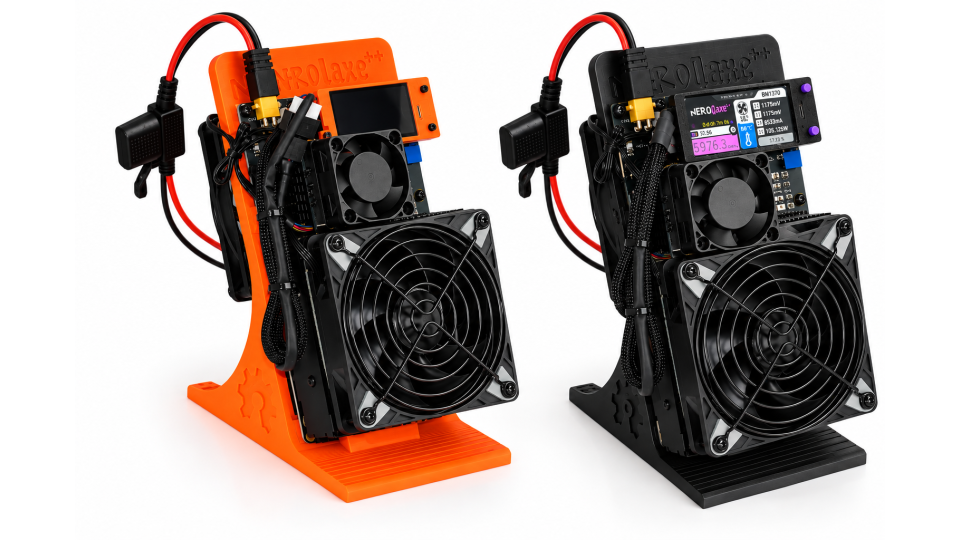
NerdQaxe++ Rev6.1 Bitcoin Miner 4.8 ~ 6TH/s
The NerdQaxe++ Rev6.1 is a compact and efficient open-source Bitcoin miner designed for home users, developers and crypto enthusiasts. This air-cooled..
£179.95