
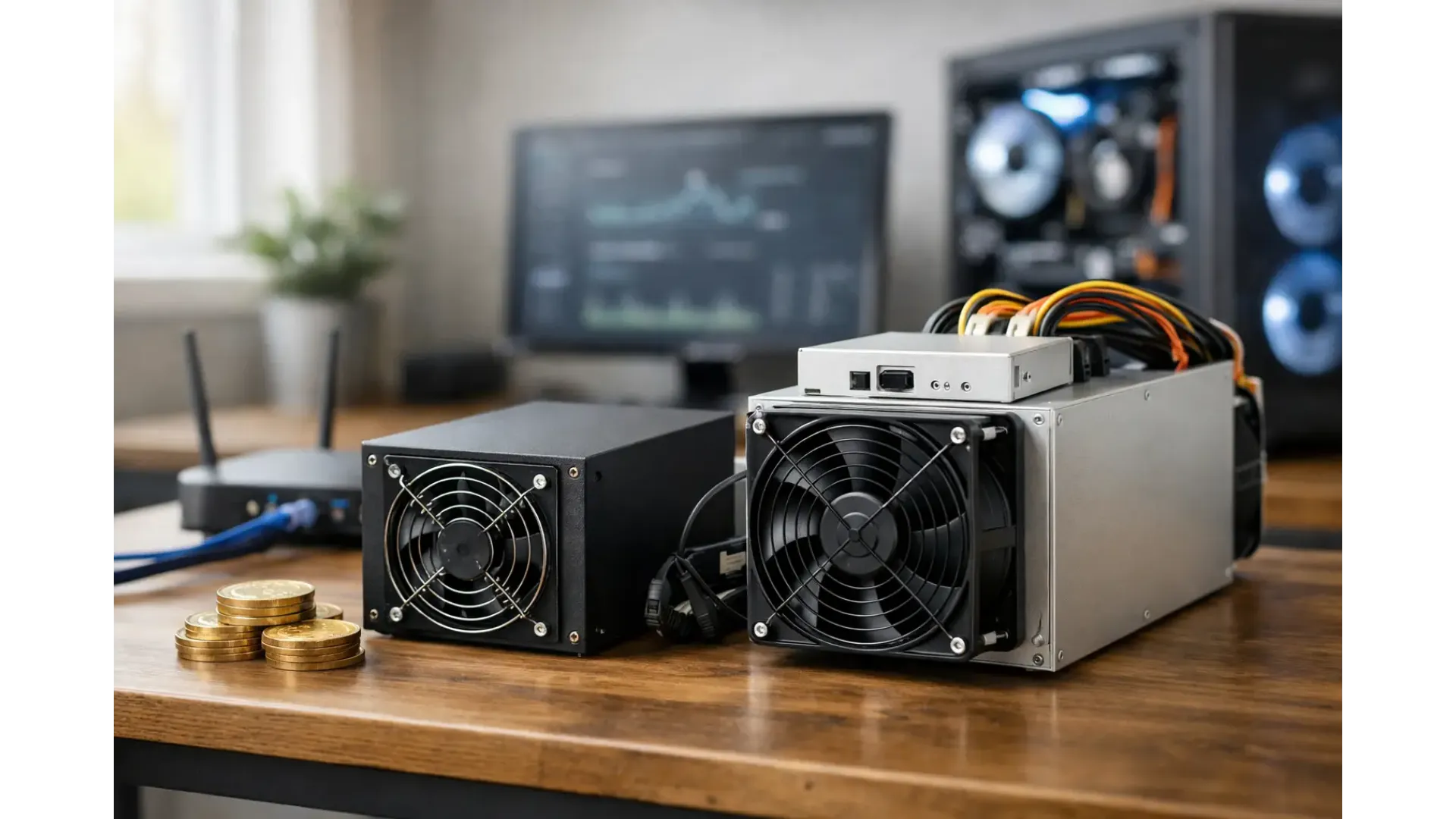
A mining pool node is not another ASIC and it will not add hash rate on its own. Its job is to give your miners a dependable local point for pool connectivity, share handling and, in some setups, Bitcoin node and solo-pool services. Choosing the best mining pool node hardware therefore comes down to reliability, compatibility and the level of control you want over your mining operation.
For a single home ASIC, a low-power pre-configured node can remove a great deal of setup work. For several machines or a technical solo-mining setup, storage speed, wired networking and processor headroom matter more. The right choice is the one that fits your miner count and software requirements without becoming another device that needs constant attention.
What a mining pool node does
A mining pool node normally runs software that sits between your ASIC miners and the wider mining network or pool. Depending on the configuration, it may provide a local Stratum endpoint, connect to an external pool, run a Bitcoin full node, or support a self-hosted solo pool. Your miners send work and share data to the node, while the node maintains the required upstream connections.
This can make a home setup easier to manage. Instead of entering pool details individually across every miner, you can point the machines to one local address. It also gives technically minded miners greater visibility of connections, workers and node status.
The important distinction is that a pool node is infrastructure, not a replacement for a mining machine. ASIC hardware does the hashing. The node should be selected for stable operation, low maintenance and the services it needs to run.
Best mining pool node hardware: start with the workload
The best mining pool node hardware is rarely the highest-specification computer available. A device that is oversized for a single compact miner wastes power and budget. Equally, an underpowered board with limited storage may appear economical, then struggle during blockchain synchronisation or software updates.
For most home miners, there are three sensible routes.
Pre-configured dedicated pool nodes
A purpose-built, pre-installed mining pool node is the most straightforward option for buyers who want to avoid assembling a system. The operating system, pool software and supporting services are installed before delivery, so the practical work is normally limited to connecting Ethernet, powering the device and following the supplied setup details.
This is particularly useful if you are new to self-hosted mining infrastructure or simply want your ASICs running without spending an evening resolving packages, permissions and configuration files. It is also a sensible choice where direct hardware support and clear warranty coverage matter.
Check exactly what is included. Some devices are configured as a local pool or Stratum service, while others include a fully synchronised Bitcoin node or are supplied ready for initial synchronisation. Those are different workloads and should not be treated as identical products.
Single-board computers for light home use
A modern single-board computer can be an efficient choice for a small setup, especially when it is paired with sufficient memory, quality cooling and a proper SSD. It draws little electricity, takes up very little space and is quiet enough for a home office or utility area.
The trade-off is compatibility. Some pool applications and monitoring tools are easier to install and maintain on standard x86 hardware than on ARM-based boards. A single-board device also needs careful component selection. A poor-quality power supply, insufficient cooling or reliance on a small memory card can create avoidable faults.
Choose this route if you are comfortable checking software support and maintaining the system yourself. For a first-time buyer, a pre-configured version is usually the safer purchase.
Mini PCs and small-form-factor systems
A compact mini PC is often the strongest all-round option for miners running a Bitcoin full node alongside pool services. It typically offers better processor performance, more memory options and easier SSD upgrades than a single-board device, while remaining quiet and economical compared with a full desktop computer.
An x86 mini PC is also widely compatible with common Linux distributions and mining-node software. For several ASICs, heavier monitoring tools or a self-hosted solo-pool stack, this extra headroom can prevent slowdowns when the device is syncing, indexing or handling routine maintenance.
A pre-owned small-form-factor PC can look attractive on price. Check its age, cooling condition, SSD health, power adaptor and warranty position before relying on it as always-on infrastructure. Older office hardware is often capable, but its storage and fan condition deserve closer attention than a purpose-built unit.
Hardware specifications that actually matter
Processor branding is less useful than the complete specification. For a basic local pool connection, modest hardware can be enough. Running a fully validating Bitcoin node and additional services requires more capacity.
Storage is the first area not to compromise on. Use an SSD rather than a mechanical hard drive or small removable card. Blockchain data grows continuously, and database activity benefits from fast, reliable storage. A 1 TB SSD is a practical minimum for many full-node setups, while 2 TB gives useful headroom for future blockchain growth, indexes and software data. Confirm whether the advertised capacity is available after the operating system and installed services are accounted for.
Memory requirements depend on the software stack. A lightweight pool endpoint may work well with modest RAM, but 8 GB is a sensible starting point for a node that will run Bitcoin Core and supporting applications. For more demanding configurations, 16 GB provides breathing room and reduces the chance that normal tasks compete for resources.
Cooling also matters. Nodes run continuously, often beside warm ASIC equipment. Look for a ventilated case, a reliable fan where required and enough physical separation from miners so that hot exhaust air is not pulled through the node. Fanless systems are quiet, but they still need airflow and should not be enclosed in a cupboard.
Ethernet, power and placement
Use wired Ethernet wherever possible. Wi-Fi may work for initial testing, but it is a poor foundation for equipment expected to maintain continuous miner connections. A short, good-quality Ethernet cable and a stable router or switch are simple improvements that prevent intermittent faults.
Give the node a fixed local IP address, either through your router reservation settings or the node configuration. This avoids the frustration of miners losing their target when the router assigns a different address after a restart.
The node itself consumes far less electricity than an ASIC, but its uptime still matters. If your home network experiences brief power cuts, a suitably sized uninterruptible power supply can keep the node and router online long enough for short interruptions. It will not keep a high-power ASIC mining for long, nor should it be sized for that purpose, but it can prevent unnecessary shutdowns and file-system issues on the control side.
Place the device somewhere clean, dry and accessible. Mining areas collect dust quickly. Keep the node away from direct ASIC exhaust, avoid trailing cables near mains connections, and leave room to inspect indicator lights and connections.
Compatibility checks before you buy
Before selecting hardware, identify the software and miners you will use. The node must support the pool protocol, operating system and services your setup requires. If you own a mixture of ASIC models, confirm that each machine can point to a local Stratum address and that its firmware accepts the required pool URL format.
Also decide whether you need a local proxy or a complete self-hosted setup. A local proxy connected to an external pool has different storage and bandwidth needs from a Bitcoin full node supporting solo mining. The latter gives more independence and privacy, but takes longer to set up and needs ongoing storage capacity.
Remote access is another consideration. A node with a web dashboard can be convenient, but do not expose management pages directly to the public internet. Use strong unique passwords, keep software updated and only enable remote access through an appropriate secure method. Mining hardware is a frequent target for misconfiguration and unauthorised changes.
When pre-installed hardware is worth the extra cost
Pre-installed pool node hardware costs more than buying parts and building a system from scratch. The additional value is in tested compatibility, completed configuration and a clearer support route if something does not behave as expected. For many home miners, that is worth more than saving a small amount on components.
It is especially valuable when the node is supporting multiple ASICs. Every hour spent rebuilding storage, reconfiguring a pool service or diagnosing an operating-system issue is an hour when the setup is harder to manage. A dedicated option from a mining specialist such as Ehasher gives buyers a more direct route to hardware designed around this use case.
DIY still makes sense for users who enjoy Linux administration, need a bespoke software stack or already own suitable hardware. Build it with an SSD, wired networking, dependable cooling and enough spare capacity rather than choosing components solely on the lowest upfront price.
Choose a node that leaves room for your next step, whether that is adding another ASIC, running a full Bitcoin node or moving from a hosted pool connection to a more independent home-mining setup.
Related Product
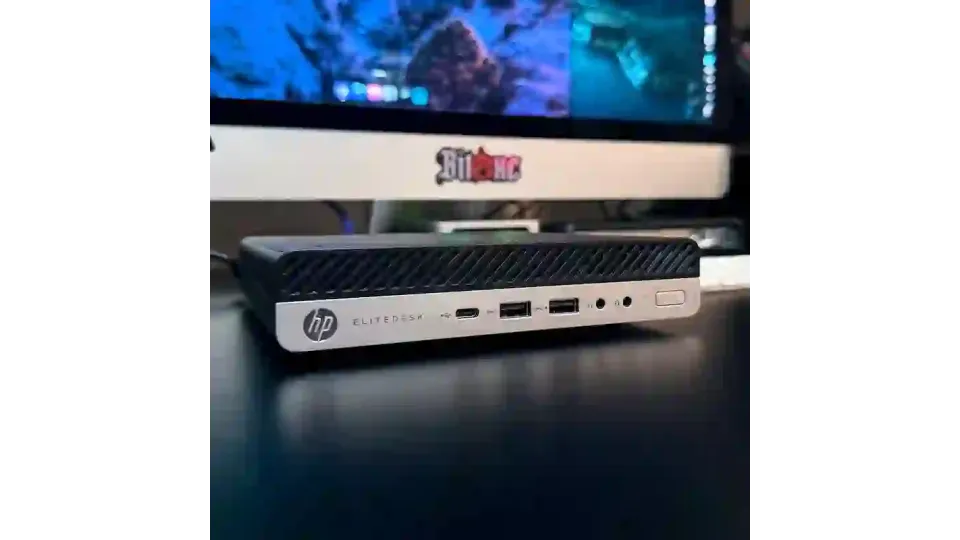
HP EliteDesk 705 G4 Mini PC – 16GB Ram - 256GB SSD NVMe – 5tratumOS Multi-Chain Node
HP EliteDesk 705 G4 Mini PC – 5tratumOS Multi-Chain Node (256GB SSD) Condition: Used – fully tested and prepared. May show minor cosmetic wear...
£149.95
HP EliteDesk 705 G4 Mini PC – 16GB 1TB NVMe – 5tratumOS Multi-Chain Node
HP EliteDesk 705 G4 Mini PC – 5tratumOS Multi-Chain Node (1TB NVMe) Condition: Used – fully tested and prepared. May show minor cosmetic wear. ..
£299.95
HP EliteDesk 800 G3 Mini PC – i5-7500T 16GB 1TB NVMe – 5tratumOS Multi-Chain Node
HP EliteDesk 800 G3 Mini PC – 5tratumOS Multi-Chain Node (1TB NVMe) Condition: Used – fully tested and prepared. May show minor cosmetic wear. ..
£329.95